


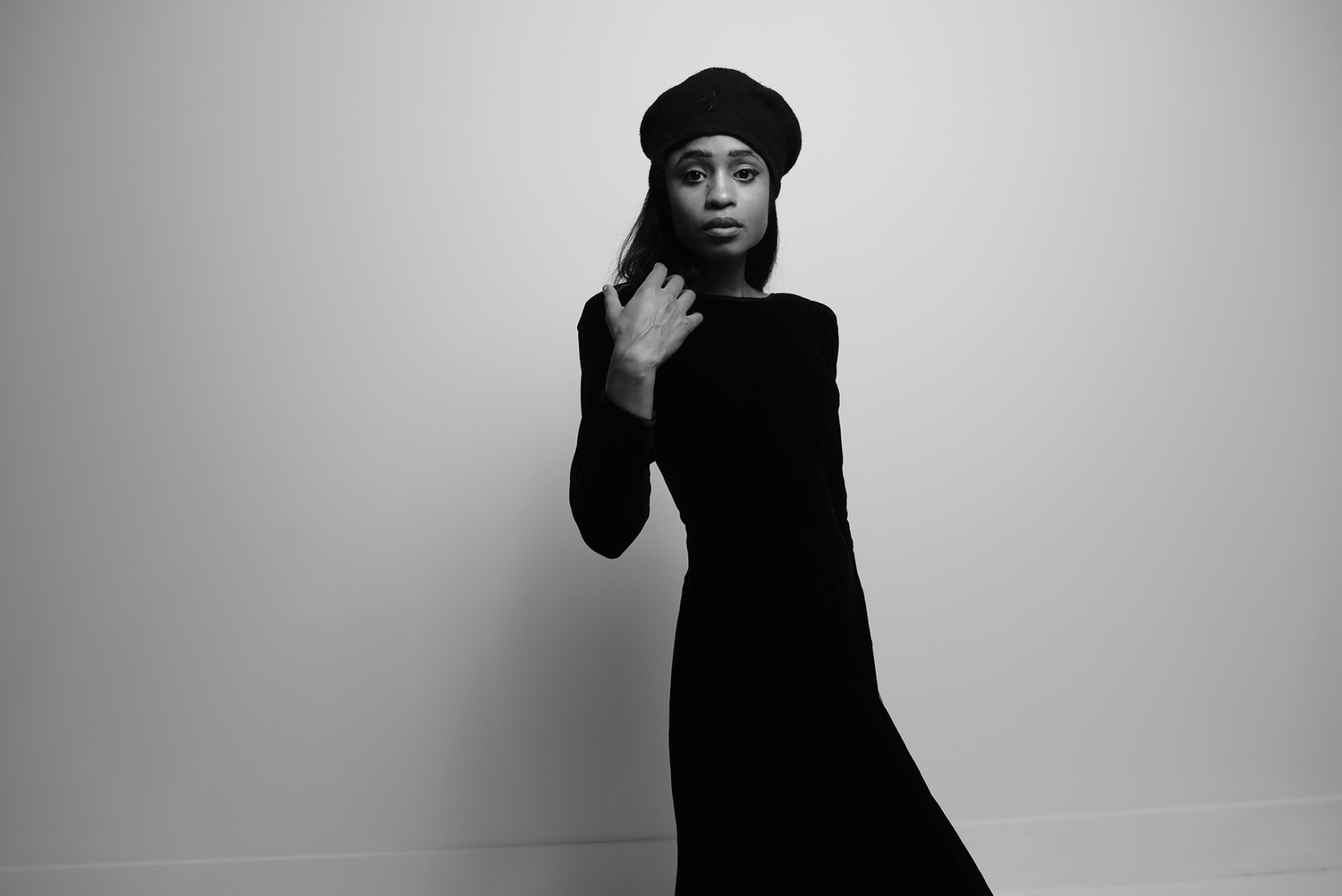
When Adia Victoria wrapped up the touring cycle for her debut album Beyond the Bloodhounds, she was exhausted. Back home in Nashville with no tour dates or projects on the horizon, the acclaimed blues artist found herself at something of a loss for what to do next.
“I crashed,” Victoria says, speaking with the Scene via phone. “It was coming home from so much stimuli and excitement, then you come home to your apartment and look around and you don’t know who you are anymore. The places I was accustomed to pulling art from, this conversation I have with myself, I was no longer privy to that when I came home. I’d been effectively kicked out of myself. Whatever my muse was, she didn’t want to talk to me. I don’t think that she trusted me.”
You wouldn’t know Victoria had lost touch with her muse by listening to her second album Silences, out Friday via Canvasback Music. The album, which takes its title from feminist writer Tillie Olsen’s 1978 work of the same name, imbues what drew fans to Victoria in the first place — cerebral lyrics, haunting vocals, a Southern Gothic aesthetic — with a fresh perspective, one that makes room for new sounds and new ideas. And for Victoria, it’s a work that found her chipping away at layers of trauma, both recent and long-held, to rediscover who she was and what she wanted to say.
“This album follows along with me slowly getting back in touch with myself,” she says, “crawling back inside of my skin and asking myself, checking in for the first time in years: ‘Are you OK? What was that like for you?’ When you’re on the go and you’re touring, you don’t have time to engage that part of yourself. You have to shut that part down to do the work. When I came home, I think I was thoroughly traumatized.”
Victoria explains that part of reconnecting with herself and her muse involved exploring new sounds, like playing around with drum machines and GarageBand. She also cites Mica Levi’s score from the 2016 film Jackie as a touchstone for Silences. You can hear the influences of those experiments all across the album, as on the shimmering track “The City.” While such sounds were scarce on Beyond the Bloodhounds, they add an expansive quality to Silences, one in which you can imagine Victoria finally allowing herself room to breathe.
There’s a palpable sense of unease throughout Silences, which Victoria co-produced with The National’s Aaron Dessner. Opening track “Clean” — which, clocking in at less than two minutes, serves as something of a prelude — begins with ominous strings before spinning a dark yarn about fear, murder and God. Standout track “Devil Is a Lie” subverts an otherwise playful arrangement with off-kilter strings and lyrics like, “Sneak away to do my dirt / I like the things that make me hurt.” As such, the songs play out like missives from a profound journey of healing, one that perhaps hadn’t quite finished when the songs made it to the studio.

“I had to allow myself to stop and feel the weight of my life,” Victoria says. “There was so much that I was running from when I was on tour for the first time. My best friend Jessi Zazu, she was diagnosed with cancer about a month before my album came out. The whole time I was out there on the road, I was simultaneously trying not to think about what she was going through at home, and also at the same time very much in touch with what she was up against at home without me. I felt this guilt that I wasn’t there for her while she was going through the fight. Coming home, for me, was allowing myself to feel these delayed emotions.”
Perhaps the best distillation of Victoria’s personal journey is closing track “Get Lonely.” It opens with a slow drumbeat — almost like a heartbeat — before Victoria comes in, voice drenched in reverb, looking for respite from her sorrows. When she sings “I wanna get lonely with you” in the chorus, it’s tempting to assume she’s addressing a lover. But she’s speaking to herself, and it’s a powerful statement about connecting with oneself after experiencing trauma and profound grief.
“I desperately wanted to feel connected to myself,” says Victoria.
As with most difficult personal transitions, the making of Silences and the years leading up to it did leave Victoria meaningfully transformed. She credits Zazu, who died in 2017, and the conversations they had in the last months of her life as being integral to bringing Silences to fruition.
“The last conversation that I had with her, a week before she passed, she told me: ‘We’re the kind of artists where, if there’s something that’s in the way of our flow, we have to get it out of the way. Even if it’s ourselves. Get out of your own way and keep moving.’ "



