
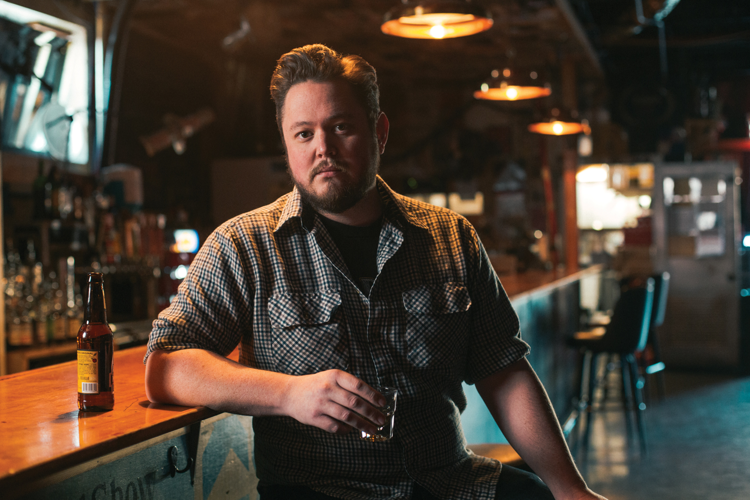


Little Bandit frontman Alex Caress didn’t mean to release one of the most important country records of 2017. Breakfast Alone had been in the works since 2012. He partnered up with his label, YK Records, in 2016. Really, it’s only coincidence that Caress released the video for his first single “Bed of Bad Luck,” in which he has a steamy makeout session with his boyfriend, less than two weeks after LGBT-rights-attacking Donald Trump was sworn in as the 45th president of the United States.
We praised Caress — as did Rolling Stone Country, NPR and American Songwriter, among others — for his mesmerizing classic country croon and his modern take on a traditional style. But 2017 came with heartache, too. In July, the band’s drummer and Caress’ longtime pal Ben Eyestone died just weeks after being diagnosed with cancer. He was 28.
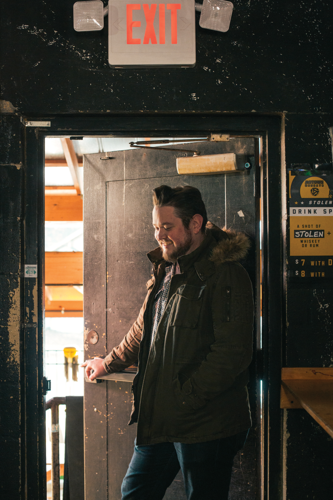
Before working a shift as The 5 Spot’s door guy, Caress sat down with the Scene to reflect on the monumental year and look forward to the future.
The last time we sat down, you were on the brink of releasing Breakfast Alone, which you’d been working on since 2012. Why was 2017 the year that it finally happened?
That’s hard to say. I got the ball rolling, probably, in early 2016 as far as getting Michael [Eades] from YK Records involved. That turned into finding someone to do the mastering and all of that. The way that it ended up being released, and the timing of it, seemed really crazy at the time.
Crazy how?
Well, because we released the video in January 2017, which was after Donald Trump got elected, and it seemed like the perfect time to come out of the gate and be myself and just be honest with the world, without fear.
As a gay country musician, did you feel an urgency in releasing the record, in light of the political landscape?
Totally. Part of it was coincidence, but then part of it seemed like providence, too. And also a way to depoliticize it, and show myself the way that I want to be represented and the way that I am.
What kind of feedback have you gotten?
One of my favorite moments of this year was opening up for Lavender Country at The Basement East. Becca Mancari was there as well. That was the kind of solidarity I was looking for in the community. And to perform with [Lavender Country’s] Patrick Haggerty and talk with him — when he was recording [as a gay country singer in the ’70s] there was, I mean, you think that there’s nothing now, there was nothing then. So to hear his stories, and feel encouragement — even though we feel like we’re in this awful place politically, and we feel like things are getting stripped away, it’s still so much better than it was. It was a hopeful thing to see how we’re moving forward.

Little Bandit
This year was a tough year for the local music community. Jessi Zazu of Those Darlins passed away from cancer in September, and your bandmate Ben Eyestone died in July. What was his role with Little Bandit?
He joined really early on. He wasn’t our first drummer, but he joined in the first year. I do all the songwriting, but he was an integral part of making them what they are. I mean, the song “Money,” that beat was all him. He was as much a heart of the band as anybody else.
The Music Health Alliance recently established a fund in his name. Can you tell me more about that?
It is the Ben Eyestone Fund, and it is to help uninsured or underinsured musicians get the care that they need, so a musician doesn’t have to be afraid to go to the doctor and be afraid of the bills that they’re going to get. Ben didn’t know that he had those resources.
So many people don’t. Or they think it’s a complicated process to access those resources.
Right, and I’ve heard that they’ve already helped a few people, which is great. I mean, at least you know that something good is coming out of it. He went to a clinic that was cheap, and they didn’t really know what to do. They signed him up for a specialist, and he couldn’t get an appointment for like three months. In that time, his pain got so bad that he went to the ER, and that’s when he finally got diagnosed with cancer. And he died of an infection just a month after.
It seemed to happen so fast. He performed at the Breakfast Alone release party in February.
I didn’t even know this, but he was already in pain at that point, but he wasn’t telling anybody. Part of what I think is good about the fund is musicians don’t have to feel ashamed of not having the money or the resources to take care of their health. If they have an organization like that helping them out, it takes part of that shame away.
What are some local records that you have been really enjoying this year?
Margo Price’s All American Made is great and brave. Because all of the success she’s having, [she] could be tempted to cash in on that or do something safe, and she didn’t.
It’s an important record, addressing the pay gap and misogyny, but doing it on a country or Americana platform —
Makes it radical.
Men tweet at her, I have noticed.
So many people say the “shut up and sing” thing, which is so stupid.
Have you gotten any of the “Shut up and sing”?
No, no. But what’s funny about her record is that, well, I’ve heard her say that a lot of those songs weren’t written in this tumultuous time, but end up feeling more urgent now.
It feels like we’ve gone backwards. Does the current political climate make it feel more important to you to keep creating?
Yeah, absolutely. It makes it more daunting. But I’m already working on new music.
Speaking of Margo Price and the future, you’re touring with her in January. What else are you looking forward to in 2018?
Finishing writing and recording a new record.
So it’s not going to take another five years for a follow-up?
No [laughs]. It might take another year, but I’m really excited to finish writing and recording and get on the road a little bit more.
Aside from your own album release show, what has been one of your favorite shows of the year?
The show that I had the most emotional reaction to this year was the Lavender Country show. It was amazing. [Patrick Haggerty] doesn’t get down here very often, but it was great to feel like I was a part of it, but also to get into the audience and participate in that way as well. After sound check, he just started talking to us, and we ended up sitting down in the green room and talking for, like, an hour. It was great. We were crying. He was very emotional about passing the torch to new musicians, and telling stories about what it was like, and what it took for him to get where he is now.



