




When you think about it, restaurant staffing is pretty much a crapshoot. Unless the reservation books stay full, management has to guess how many bodies will be needed to prepare and serve the number of meals ordered during any particular service. Even if you think you have a good handle on the predicted count, out-of-town groups of visitors — cough, bachelorette parties, cough — are notorious for making multiple reservations for the same time and choosing where to actually eat by which neighborhood they find themselves traipsing through when hunger strikes. The members of the “Last Bash in the Nash” crew are likely not concerned about getting blackballed by The Hampton Social.
Many restaurants try to even out the dips and bumps in staffing needs by encouraging private dining and catering gigs that give prior notice of how much, what kind and when food will be prepared so they can staff up appropriately. This is helpful, but it requires even more staff to actually handle selling and scheduling these types of events. In an industry that already runs on very slim margins, these inefficiencies can be fatal for a struggling restaurant.
Placemat is a Nashville-based company that aims to provide additional opportunities for culinary workers while offering a valuable service to visitors and locals looking for a unique at-home dining experience. Founder Ryan Reisdorf was a nursing student at Belmont when he came up with the concept: connecting restaurants to home dining in a more engaging way than just dropping off a catered meal.
Dealing with his own Type 1 diabetes while learning about healthcare made Reisdorf conscious of the connection between food and health. He was frustrated that his studies concentrated on reactively treating disorders instead of addressing potential prevention. As someone who managed his diabetes by maintaining a healthy lifestyle, he recognized the benefits of eating better, and he strived to incorporate that into the Placemat model.
He also saw countless Nashville Airbnbs inhabited by rotating groups of hungry tourists — who mostly left their kitchens unused. It seemed like a natural opportunity to provide healthy meals cooked by local chefs so visitors could get a real taste of Nashville. Initially, restaurants were skeptical of the model, and Reisdorf had to do much of the cooking himself.

The first few years were a struggle to balance the supply of cooks with the demands of diners. If Reisdorf enlisted too many restaurants, individually they wouldn’t feel as much impact from the extra gigs or see the benefits in participating. But without enough choices of cuisines, would diners really want to pay $125 apiece for a dinner at home? After years of hard work, Reisdorf feels he finally has a good equilibrium.
“After building Placemat independently for more than seven years and navigating COVID, I realized we had created the infrastructure and revenue channels to help restaurants extend their dining rooms into people’s homes,” Reisdorf says. “More importantly, I saw an opportunity to open new revenue streams for restaurants that help address the growing affordability challenges facing both restaurants and the people who work in them.”
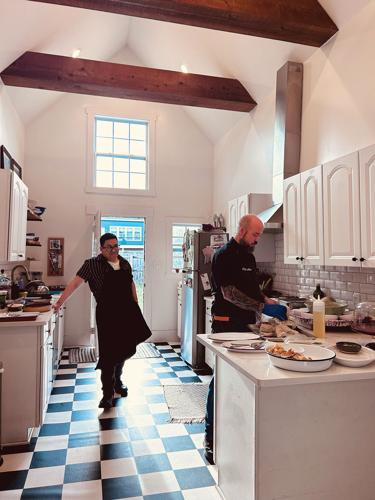
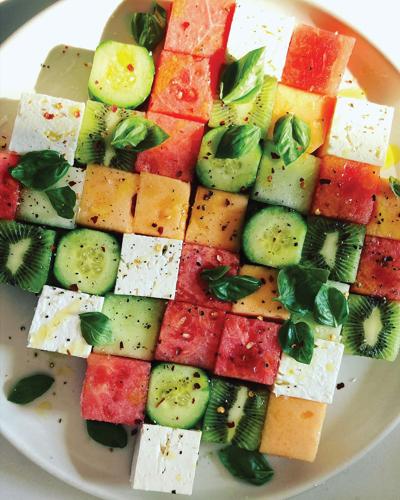
The service model is essential to Placemat’s success, and what sets it apart from an ordinary catering experience. For a minimum of eight guests, a host can peruse an online list of more than 60 restaurants and culinary partners who range from restaurant chefs who like to get out of the office every so often to cooking instructors and food influencers. The flat rate of $125 (including tax, but not tip) covers a choice of appetizer, a salad, an entrée, two sides and dessert, all served family-style. The three-hour booking includes the chef arriving 90 minutes before service to prepare the food on site using the host’s kitchen, cookware and tableware. Chefs clean up as they cook and leave the kitchen the way they found it, with all the pots, pans and dishes loaded in the dishwasher.

Alcohol is not provided — a decent cost saver when you consider typical restaurant markup on a bottle of wine. Reisdorf believes direct interaction between chef and guests is another major differentiating factor.
“Placemat isn’t catering or traditional private cheffing,” says Reisdorf. “Guests are booking a restaurant experience in their home. The restaurant’s own team prepares or finishes the meal on site, serves guests, and creates the same hospitality and interaction people would expect inside the restaurant. This is a new stage for the restaurant and its team to cook on, which allows guests to get a little bit behind the scenes and to hear the stories of these culinary professionals that make Nashville special.”
Placemat has picked up momentum over the past year, and restaurants are lining up to join the service. Margot McCormack and Hadley Long of Margot Café & Bar — which closed its doors in June — were among the first chefs to jump on board. Long will still come to your home and cook a Margot-style meal or something different, even now that the restaurant has shuttered. Reisdorf feels that Placemat should be additive to the revenue stream of any restaurant that joins up, or even chefs who don’t have a restaurant.
“Our goal is to help restaurants make more money and market what they already do exceptionally well without adding another brick-and-mortar location or additional overhead. Placemat creates a new revenue channel while helping restaurants build deeper relationships with guests and strengthen long-term sustainability.”
The chefs who already really “get it” are discovering the advantages of working with Placemat.
“Partners like Hadley Long, Ryan Costanza from Present Tense, and chef Chris DeJesus from Butcher & Bee understand that Placemat is an extension of what they are already doing — not a catering business. Their success comes from embracing hospitality, being open and flexible to something new, and treating every in-home reservation with the same care they would inside their dining room.”
Locally, Placemat now offers an impressive roster of restaurants, chefs and types of cuisines — from Audrey to Xiao Bao and almost every letter in between. Not every restaurant draws from its own menu for their Placemat offering, preferring to allow the chefs to express a different side of their culinary personality. Others build the menu around the most popular menu items, so you can bet Black Rabbit’s rabbit rolls, Amerigo’s chicken piccata and Fishmonger’s blackened grouper will all be on offer.

Other benefits include the opportunity to give up-and-coming cooks on a restaurant staff the chance to step into the spotlight and develop more comfort working directly with guests. Restaurant owners might want to send a sous chef out to make a little extra money on a slow night while helping to control their own labor costs. The fact that guests need to schedule at least 10 days in advance gives the restaurant the chance to plan ahead for staffing.
Reisdorf is pretty pleased with the supply side of his business. He has grown the demand side enough to attract plenty of participating chefs and restaurants across 11 states, so now he’s concentrating on building up the number of users to accelerate acceptance from partners and users. It’s a delicate balance to maintain, but Reisdorf is confident about the future.
“We see Placemat operating in more than 25 major U.S. markets, leading restaurant-led in-home dining experiences,” he says when asked where he sees his company in five years. “Our vision is to create an entirely new category of dining that helps restaurants become more financially sustainable while changing what people think a restaurant reservation can be.”



