

Matcha isn’t for everyone. If you’re a fan of the ground green tea, the taste ranges from earthy to floral to umami; if you hate it, maybe it’s muddy, grass-like or umami-in-a-bad-way. And nothing can turn someone off matcha more than a poorly made drink: a neon-green latte in which the powder sank right to the bottom, giving an unpleasant grainy texture to a unique flavor.
Linga Ndambasha was not very impressed with Nashville’s matcha options when she moved to town in 2021.
Ndambasha isn’t a coffee drinker, and her go-to order is usually a chai or matcha latte. “Let’s just say, I was only drinking chai for quite some time when I first got here,” she says.

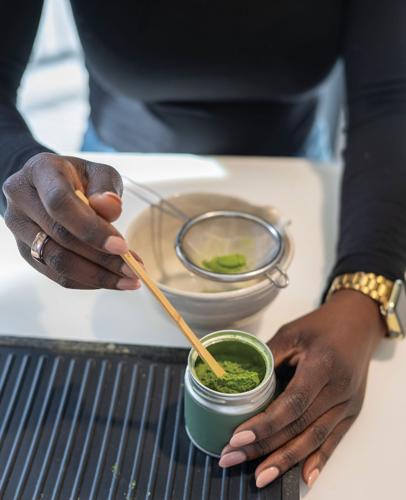
Linga Ndambasha making matcha
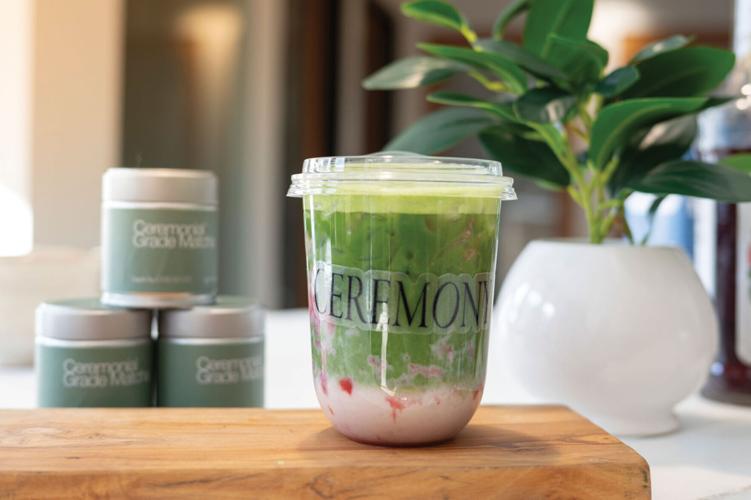
Nashville’s matcha latte game has improved in recent years, and Ndambasha is contributing to that trend with her pop-up Ceremony. Ndambasha isn’t just tossing green powder over milk and calling it a drink. She sifts the powder into a bowl, adds heated water, hand-stirs it with a bamboo whisk until it froths, and pours it over ice mixed with a flavored syrup like strawberry. Ndambasha says whisking by hand, rather than using an electric frother, ensures the tea is frothy enough, which means the matcha is both more flavorful and less likely to sink to the bottom of the drink.
The result is a dramatic-looking drink — vivid emerald green mingles with pale-pink foam. Flavored matcha lattes are proving popular at brick-and-mortar locations throughout Nashville, and many are also using a similar hand-whisked preparation.
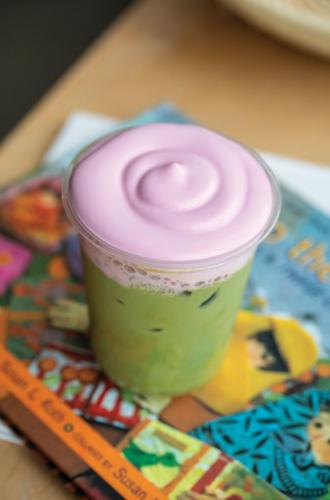
Forevermore in East Nashville’s Cleveland Park neighborhood has the Instagram-worthy Purple Haze, inspired by the Jimi Hendrix mural on the side of their mixed-use building. Co-owner JP McLeod concocted the drink after re-creating a pink cold foam he saw on social media, and after experimenting with it over coffee, tried it with matcha instead. The drink, available in strawberry and lavender flavors, was a hit, and more matcha creations followed. Mary McLeod, JP’s wife and Forevermore co-owner, lobbied for a slush machine in the summer of 2025, and the frozen matcha became a top-selling item.

Purple Haze from Forevermore
“It’s damned delicious,” says JP. “We paid off that machine in a couple of weeks.” (Rejoice, Forevermore fans: The machine is returning in the summer.)
Forevermore sells as much matcha as its also-solid coffee offerings. JP says the matcha Forevermore offers is accessible for newbies — it’s not too bitter or savory and pairs well with sweet flavors. Some customers love the lattes, and some remain unconverted. Others, to JP’s disappointment, just snap a picture for social media and trash it — a waste of an ingredient that’s grown quite expensive.
If you made it this far and still aren’t sure what matcha is, let’s explain. Matcha is made from unroasted Japanese green tea leaves that have been ground into a powder. While many suppliers grade the quality of their matcha, it’s usually divided into “ceremony” (a fine, dark-green powder with a stronger flavor) and culinary grade (yellower, with a milder flavor and better for baking). Suppliers may impose tiers on those products, which is helpful to cafes but confusing to everyday drinkers, and some culinary matcha may be labeled latte-quality. (All cafes speaking to the Scene use ceremony-grade matcha.)
The distinctions are Western marketing labels rather than Japanese terms, says Ndambasha. The difference concerns leaves that were grown with plentiful shade, becoming a lush green before being picked in the spring, and those grown with more exposure to the sun and harvested in the summer, becoming more pale or yellow. That doesn’t mean all matcha is created equal — quality matters, especially in traditional Japanese tea ceremonies, and usually the greener the better.
Unfortunately, the increased global demand for high-quality matcha has contributed to a shortage. Japanese farms have struggled with heat waves, climate change and an aging workforce, and harvesting is slow work, with farmers picking tea leaves by hand before processing them. Prices have gone up. Ndambasha says she discusses the shortage and ethics of consumption in the matcha classes she hosts. She also notes that tariffs and import fees can make it hard for businesses to source matcha.
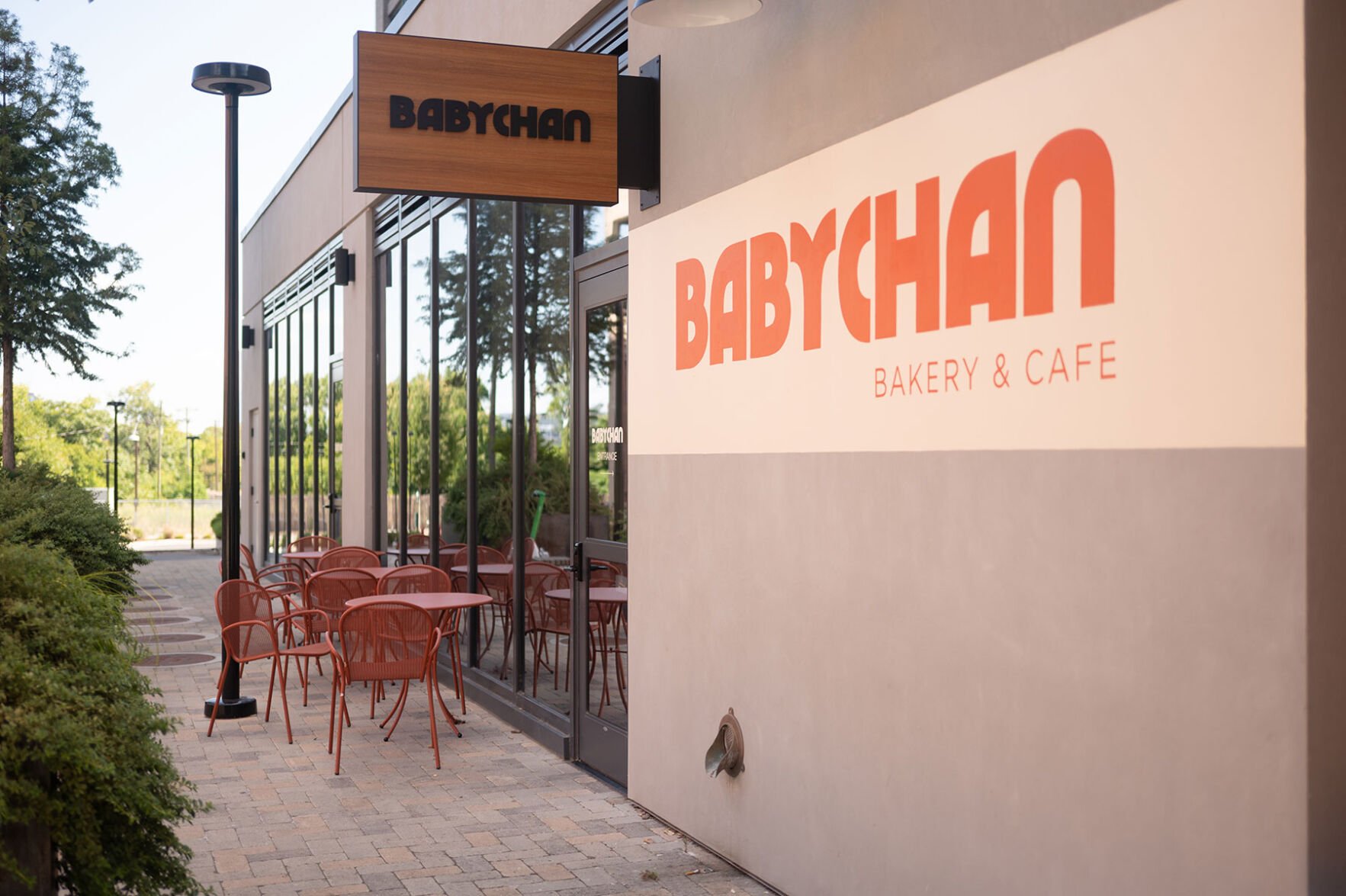
Outside Babychan
Chef Leina Horii says the summer months were “a little bit scary,” and her usual suppliers “basically were saying, like, ‘I can’t get my hands on it.’” Horii and her husband Brian Lea are the chefs and owners behind elevated Japanese comfort-food restaurant Kisser and their new Japanese-inspired bakery Babychan. Horii says it was important to her that they continue to use ceremony-grade matcha for drinks at both locations, and while it’s still difficult to procure matcha — she sources from Japan — the search has become a bit easier in winter months.
Horii calls matcha a “staple ingredient” of Japanese baked goods, and the offerings at Babychan pair it with Western flavors and styles. Since opening in the Neuhoff District in August, Babychan has featured a matcha cheesecake and a French gateau pairing white chocolate with matcha. The January menu offers a matcha cream Danish with blueberries and pistachios.
“It’s just a wonderful ingredient to sort of play around with, whether you’re treating it in a very traditional way or just pairing it with nontraditional items,” Horii says.
Horii is the child of Japanese immigrants, which has informed the menus of both Babychan and Kisser, and she says many customers she meets are already big matcha fans.
“I think it’s really cool that it’s something that people are really embracing, because growing up, it wasn’t something that people even knew what that was,” she says.
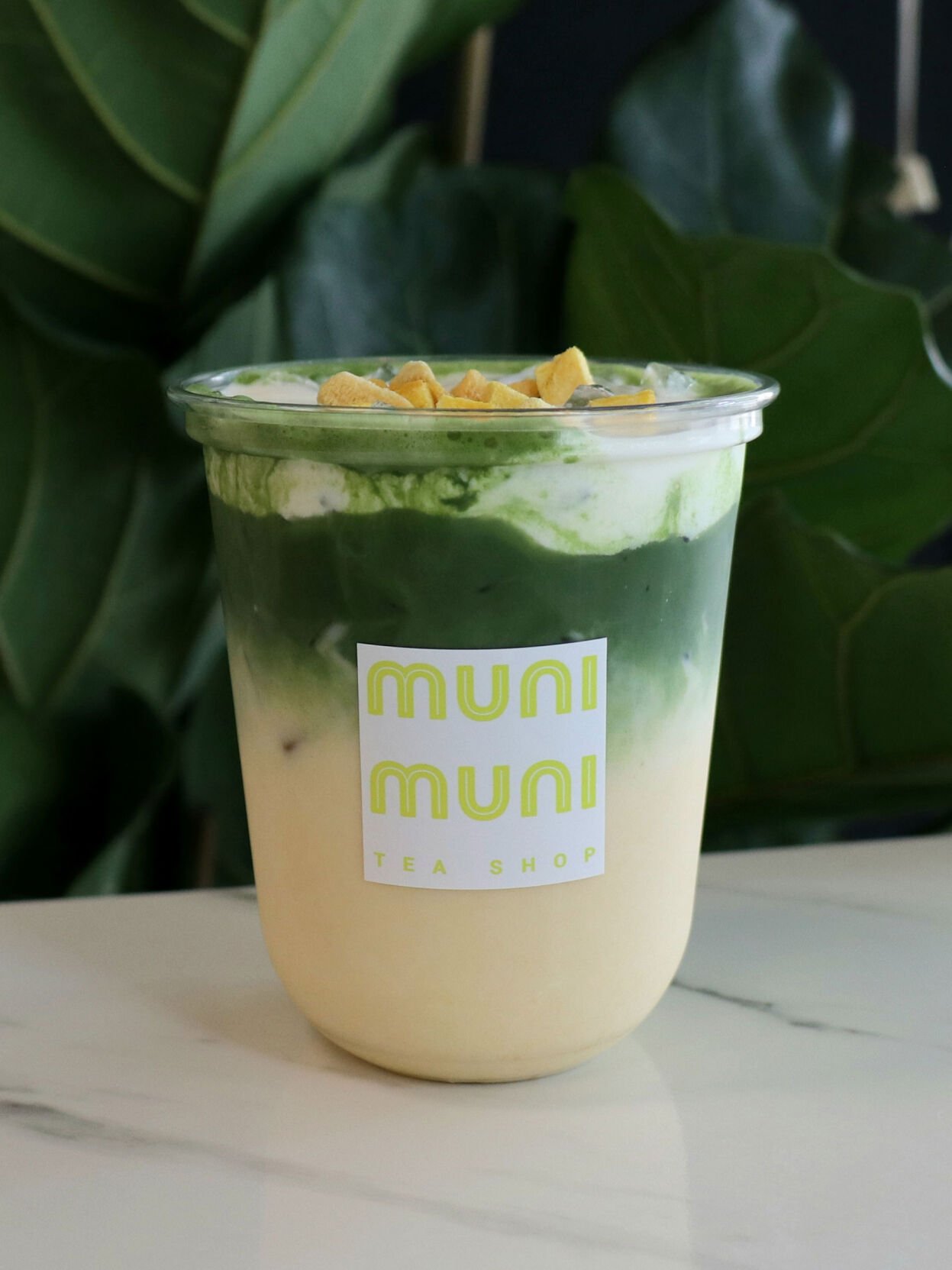
Muni Muni Matcha
Michelle and Patrick Javier of Muni Muni Tea Shop also enjoy playing with flavor pairings — the owners’ current favorite is a coconut matcha inspired by coquito, Puerto Rico’s staple Christmastime beverage. Other combinations like taro, mango and of course strawberry are offered year-round at the Church Street shop. The Javiers say via email that the matcha scene in Nashville “has definitely become more diverse” and that “it seems like places have more awareness and intent in their matcha preparation.”
And there’s still plenty more matcha to try in Nashville. In March, Forevermore is bringing back the second annual “Matcha Madness” cafe crawl. Last year’s roster of 23 shops included cafes like Matroyshka, Cafe Babu and Flora + Fauna. They’re already hyping the event on Instagram, and Mary McLeod says this year’s lineup is going to be even bigger. Whether you’re a matcha newbie or hunting for a new favorite, just look for the new green scorecard.



Post a comment as anonymous
Report
Watch this discussion.
(0) comments
Welcome to the discussion.
Log In
Welcome to the discussion.
Keep it clean. Please avoid obscene, vulgar, lewd, racist or otherwise abusive language. Comments featuring hate speech or threatening or violent content will not be tolerated.
PLEASE TURN OFF YOUR CAPS LOCK.
Be truthful. Don't knowingly lie or mislead.
Be proactive. Use the “report” link on any comment that violates our comment policy.
Share with us. We'd love to hear your feedback.