


When the weather turns chilly, I tend to wear out my dutch ovens, braising meats, cooking up a mess of collards and caramelizing onions, just because. I’ve bought various models of dutch ovens from the usual subjects like Lodge and Le Creuset, and I’m a big fan of cooking with cast iron in general. Once you get used to working with a well-seasoned skillet or pot, those will be the kitchen tools you reach for over and over again.
So when I was offered the opportunity to run a new product from New York-based artisan cast iron producer Borough Furnace through its paces, I was intrigued at the chance, especially when I learned that founder John Truex grew up in Tennessee and that he and his partner Liz Seru make each product by hand in their small foundry in Owego, NY, using techniques that Truex first learned as an iron casting student at the University of Tennessee.
Sure, those colorful glazed ceramic dutch ovens from the other guys are pretty and all, and that particular shade of crimson glaze might be a perfect match for the marble veins of your kitchen counter, but they have inherent problems as well. First of all, none of those products are made in the U.S., primarily because the dyes used to create the glazes are pretty problematic to deal with.
In a phone interview with Truex, he told me, “I only wanted to work with non-toxic suppliers, so we only use black. There’s no cadmium in our colors.” Initially, Truex had a connection with a porcelain glazing company in Dickson who specialized in coating the interiors of high-end ovens, but that production all went overseas, and Truex had to pivot. He worked with engineers from enamel suppliers to develop a process to do his own custom glazing in a tiny paint booth in his own shop where he creates only a few dozen pieces each day.

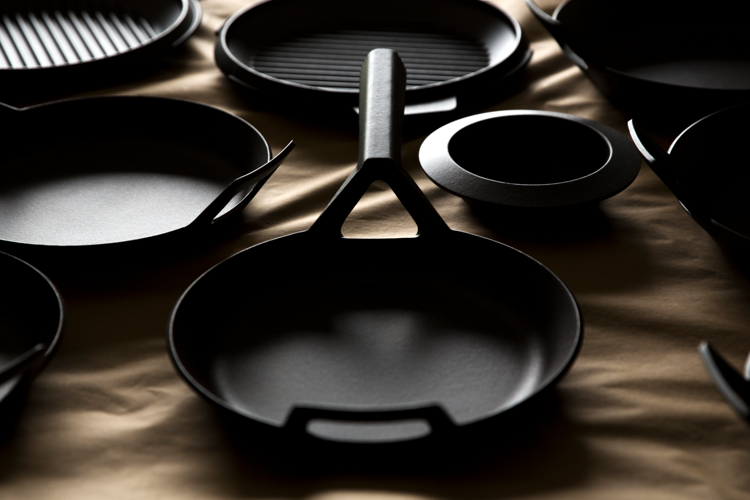
With a background in industrial design, Truex creates cast iron cookware that is beautiful, truly utilitarian pieces of art and priced accordingly. While $300 is certainly not cheap for an iron skillet, the thoughtful design of the piece means that the single-cast handle never gets hot enough to need a potholder while maintaining a fast, even heat in the thick iron bottom of the skillet, a fact that even impressed Anthony Bourdain in this promotional video.
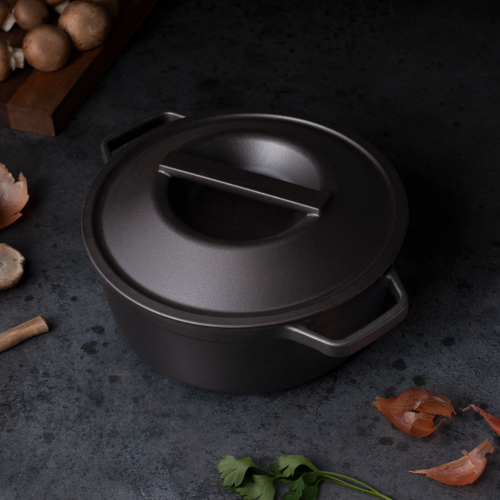
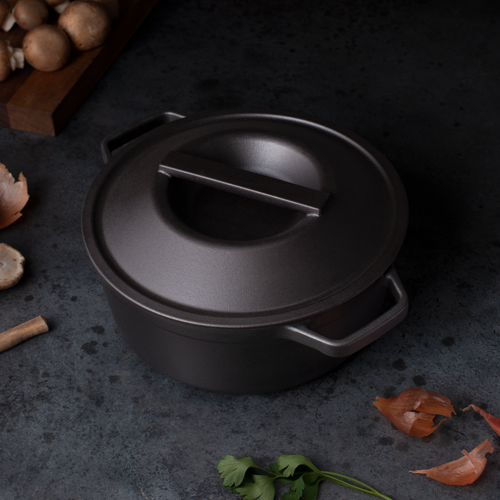
I didn’t realize how much I would appreciate using an all-black dutch oven until I tried Borough’s version, and now I have to come up with something to do with all the time I used to spend scrubbing the bottom of my old pots which I inexplicably purchased with interior white glazes that inevitably showed every tiny bit of browned food after each use. Seriously, why would anybody want white cookware?
The glaze that Truex uses to coat the inside of his dutch ovens is a semi gloss enamel, which means that over time, the slightly rougher surface can actually season like a skillet as fat molecules bond to the bottom of the pot. I’m convinced I could fry an egg on the bottom of my new Borough, and my only tiny quibble is that when I pour wine or vinegar into the pot to deglaze the meaty debris after a good braising, the surface is already so non-stick that there’s hardly any fond to be found.
The 5.5 quart dutch oven that I tried out holds the same as my Lodge and Le Creuset, but I had to actually fill them each with water to convince myself as the Borough is squatter and wider than the other two. (Jean Piaget considered the ability to conceive that a short wide glass could hold as much as a tall thin one as one of his critical stages of early childhood cognitive development, a task that should be mastered around age 7. Oops.) Truex came up with the shape choice quite intentionally, explaining, “We make them the way we use them. The extra surface area on the bottom is better for browning. Skillets are great, but a dutch oven is a big beefy thing that doesn’t move around when you’re working with it and which holds heat better.”
Even the lid is a marvel of design and engineering, cast in a single piece that Truex says complicates the process considerably, but which offers a better grip. (Though you will need oven mitts for that one. Oops, again.) If you take your dutch oven from stovetop to oven frequently, which you should if you’re braising, you’ll probably need to buy an additional oven-safe knob instead of the one that came with your dutch oven that you bought at the outlet store, lest it melt under the infernal temps inside the stove. (Oops, thrice.)
I was surprised that Borough doesn’t upcharge for their enameled cast iron over the price of their non-glazed dutch oven, but Truex explained that the time and expense of hand-seasoning their regular cast iron dutch ovens is just about as extensive as the glazing process, and all that hand finishing is the pinch point of their production process. He and Seru have already invested in equipment to increase production, but they’re waiting until post-COVID to go out and hire the new labor to work with them on those new lines.
Until then, wait times can be long for a piece of Borough Foundry cookware. Instead of just backordering items, customers can sign up for a particular production run, and you’ll know exactly which batch of artistic cast iron your particular pan will come from. I’d watch the calendar like a dog waiting for the school bus if I knew my skillet was passing through the foundry that week!
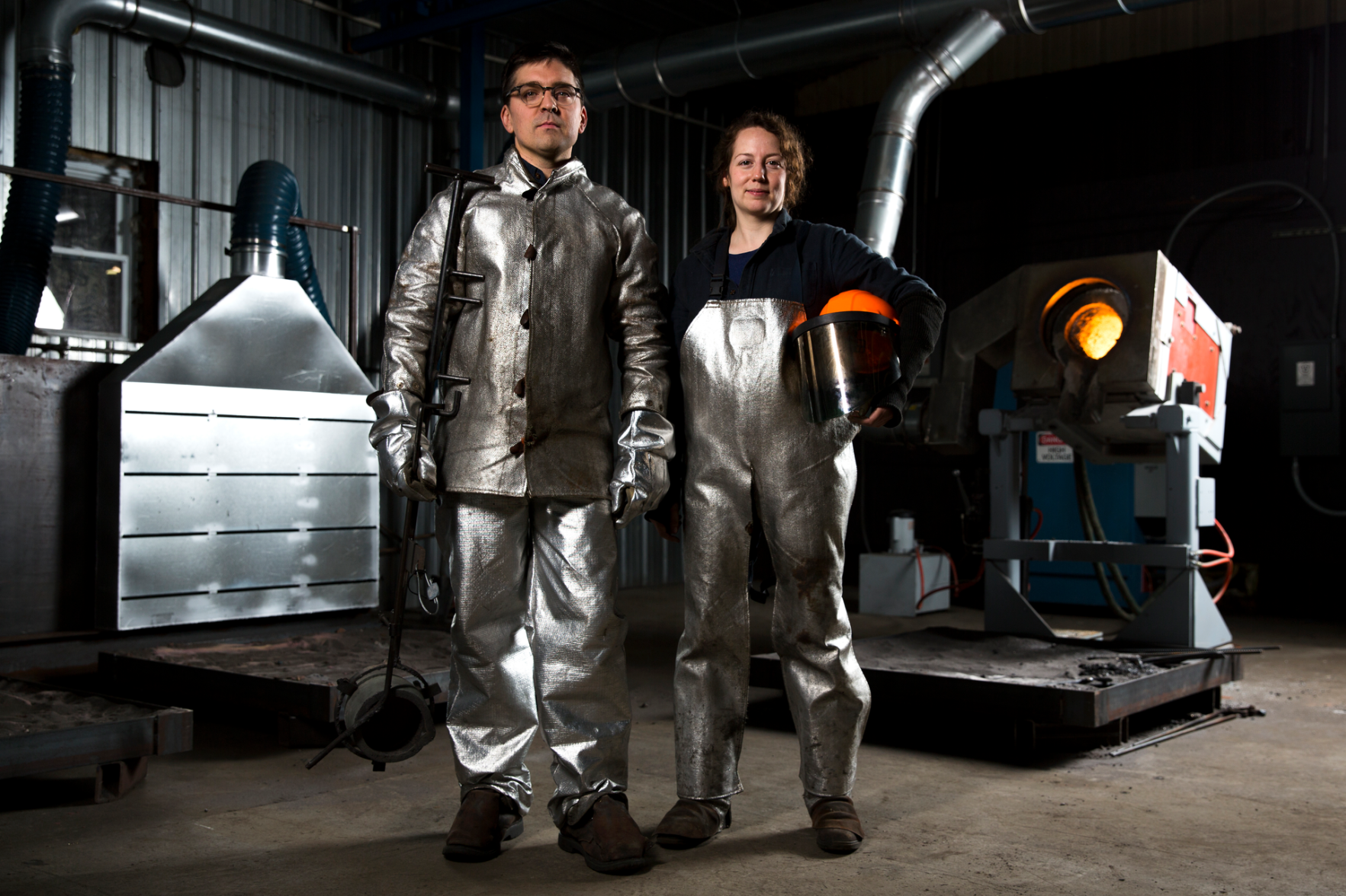
Another reason to love Borough is their business has a core commitment to sustainability, something that’s not necessarily a hallmark of cast iron manufacturing or ironworks in general. When they first started out, Truex and Seru powered their small 3000-degree furnace using recycled vegetable oil from restaurants and used recycled automotive brake parts as the source of their raw iron. As they’ve grown, there’s not enough cooking oil in the Finger Lakes to power that forge, but they have committed to buying carbon offsets to counteract the impact of their newer all-electric furnace. Future plans include installing solar panels to completely offset their environmental impact. Truex explains, “The offsets we buy from climateneutral.com go to tree-planting initiatives, but more importantly, they work with us to measure and constantly improve our environmental impact. We feel like it’s a morally important and fascinating process to look at.”
From his start making prototypes in a small furnace in the Tennessee backyard of his father, Truex has created a fantastic business with Borough Furnace. If you’re looking for something special for your own kitchen or maybe a gift for next year, I encourage you to check them out!



