


Carey Bringle at Peg Leg Porker
There’s an old saying, often attributed to comedian Martin Mull: “Writing about music is like dancing about architecture.” If you don’t believe that’s a statement about a futile effort, I suggest you watch the gyrations in the front row when Starship plays “We Built This City.” Similarly, there are those who believe that cooking is a creative art — not something to be quantified or ranked via competition.
While that’s a noble thought, take a look at your television listings — cooking competitions make up a large portion of the offerings on Food Network, Cooking Channel, BBC and even the American legacy networks, thanks to shows like Fox’s Master Chef and Hell’s Kitchen. Off the air, food sport is a big deal, with competitions ranging from multiple certifying bodies sanctioning barbecue contests to mixology competitions that can thrust local bartenders into the national spotlight.
Even here at the Scene, we ask readers to pick their favorites in our annual Best of Nashville readers’ poll categories, which include everything from Best Chef and Best Restaurant to more esoteric and specific categories like Best Hot Dog and Best Restaurant in Rutherford County. (Hello, Demos’!) Our yearly Iron Fork chef competition is considered a highlight of the culinary calendar and an honor to win. (Incidentally, this year’s Iron Fork, originally set for March, has been postponed.)
But here’s a question: What do the chefs who have actually competed in these televised knife fights really think about their experience? We asked three local favorites to spill the beans on the process of cooking under arbitrary time constraints using unfamiliar ingredients in a foreign kitchen — with a million eyes watching from home.
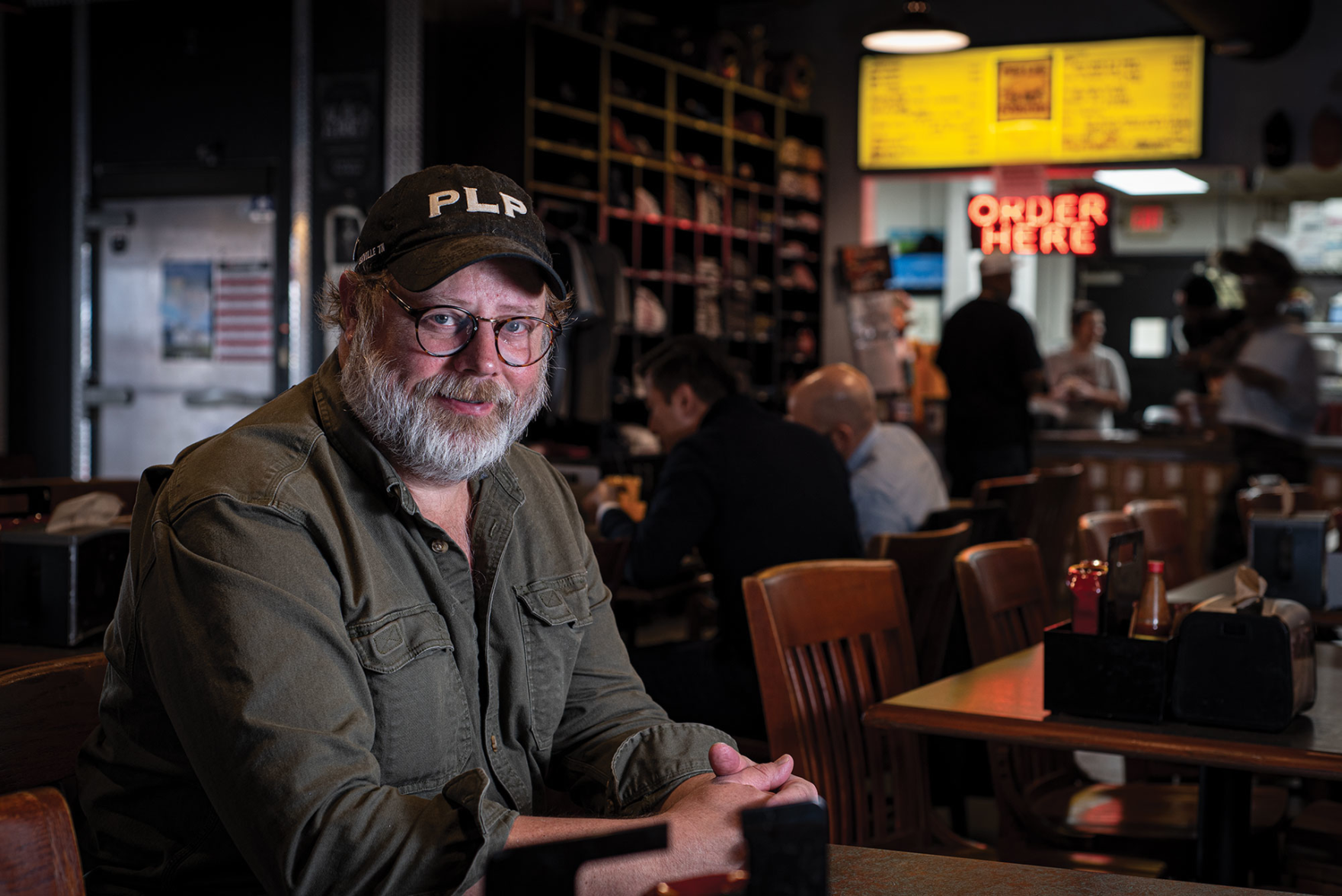
Carey Bringle is best known as the pitmaster at his Peg Leg Porker barbecue joint in the Gulch. Prior to appearing on his first television cooking contest, Bringle had plenty of experience as a competitive barbecue smoker. He even finished third in the Whole Hog category at the prestigious Memphis in May World Championship Barbecue Cooking Contest. Over the past decade, he has appeared on TLC’s BBQ Pitmasters as well as Food Network’s Chopped: Grill Masters and BBQ Brawl, winning some individual trials along the way, but never an overall competition. (Ask him to tell the story about the perils of garnishing a dish with a raw shrimp head sometime if you want to get him riled up.)

Maneet Chauhan at Chaatable
Maneet Chauhan is a fixture on televised cooking comps, both as a judge and as a contestant. She has participated in shows like Iron Chef America and its sequel, the creatively named The Next Iron Chef, as well as on Chopped, where she has become one of the show’s most popular judges. In fact, she was a judge on that show when she met chef Brian Riggenbach, whom she would bring to Nashville to become her chef and partner at The Mockingbird.
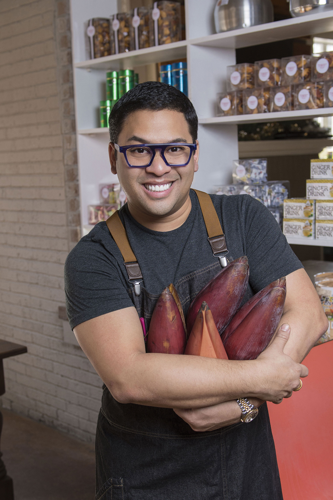
Arnold Myint has been involved with several local restaurants, including International Market, Cha Chah/blvd, Suzy Wong’s House of Yum and PM, but he’s known nationally for his appearances on Top Chef and Next Food Network Star. He finished in the top four of the latter show, but still has nightmares from his TC experience, during which he won two of the first three competitions but was kicked out in a team comp when he was paired with an ostensible Italian food expert who couldn’t properly cook pasta. Even so, Myint recognizes that it wasn’t real life.
“Cooking competitions for TV are quite simply obstacle-based game shows stacked with challenges and demands that are not normal in a functioning daily kitchen,” Myint says. “In my own kitchen, it takes a village to create success, and I utilize the strengths of my team and vendors to produce and execute. In a competition setting, it’s every person for themselves; the atmosphere and conditions are unfamiliar and unpredictable. You are a pawn in a produced game based on someone else’s vision. All you really have to rely on are instincts and technique.”
Chauhan agrees that the shows aren’t much like real life.
“Cooking in competition is completely different from working in your own kitchen,” she says. “It’s a challenge being in a kitchen that you don’t know! New ingredients, a new kitchen, tough conditions. Competition cooking is a true sport. There are some people who are really good at the competitive-sport aspect of things, and a cooking competition is the same thing. A competition show doesn’t reflect your chops as a chef.”
Bringle says he ran into some of those uber-competitors. “Some people are very serious on set,” he says. “They have a can’t-lose mentality. That can be good and bad. I always viewed it as something that should be fun, win or lose. I think that the thing that I have taken away from these shows is that it is just TV. You’re not curing cancer! I take the same approach in my restaurant. We like to have fun and create a fun customer experience.”
All three chefs say appearing on the shows, however stressful, did contribute to advancing their culinary careers. Chauhan has become a national figure, a brand unto herself. “Once you get onto a mainstream channel, people start rooting for you, supporting you and recognizing you,” she says. “It definitely helps advance your career.”
Bringle agrees, but with a caveat: “People come in every day to the restaurant and say, ‘I saw you on TV.’ It can be a great traffic-driver for a new or unknown restaurant. These shows can be great for your career most times, unless you act like a jerk on TV. BEWARE THE EDIT. Producers can take snippets and air them completely out of context. Make sure that anything that you say is positive and can’t look bad no matter the context.”

Arnold Myint at blvd
Myint expresses ambivalence. “I’m not sure if competition TV helped my career or not,” he says. “I know it opened up many doors that I wanted open but had no clue as to how. I saw an opportunity to generate buzz and visibility for the business that did not cost thousands of dollars — just my time and willingness to put myself out there. As far as my own career, I am more on the public radar and seem to be taken more seriously in certain circles. That being said, I also don’t think it gave me any clout as a hardcore cook, but it’s definitely provided me many chances to prove that.”
All three chefs have competed multiple times, but Myint and Bringle think it may be time to hang up their aprons — at least as far as their TV careers are concerned. “I can’t say I’ll never do it again,” says Myint. “But I think I got what I needed out of being on the contestant side. I can’t compete much better than I already have. I made my point and got my redemption. I much prefer sitting on the judges’ side now.”
“At this point in my career, you probably won’t see me on any more competition shows unless I am a judge,” says Bringle. Still, he would suggest the experience to other chefs. “I would absolutely recommend someone do it. It can be great publicity. This business is hard, and the more people recognize your name, face or brand, the more likely they are to come and eat at your place. I would tell them to have fun and that very few people remember whether you win or lose. They do remember your personality and attitude.”
“Everyone needs to push themselves out of their comfort zone, and this is an amazing way to do it,” says Chauhan. “I would suggest that whoever is competing looks at it as a sport and not obsess with winning or losing. Losing does not show your caliber as a chef.”
“For me, it was a business decision,” says Myint. “If someone wants to compete, I suggest knowing why they want to do it. They should express to the producers what they want from the experience. In the audition process, you have to be absolutely ridiculous and open, an exaggerated version of yourself. If you don’t get cast, don’t take it personally; they just found a better version of you. (LOL, kidding, not kidding.) Once you’re on the show, remember that it doesn’t matter if you are really good and win or really suck and get kicked off. What matters is that you get out of it what you want and need.”



