
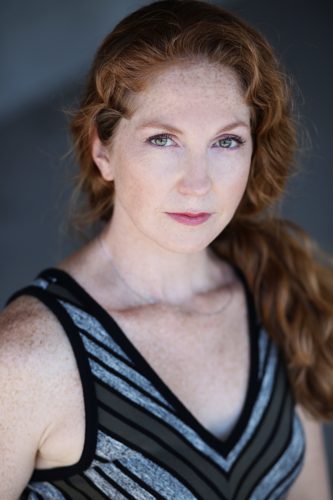

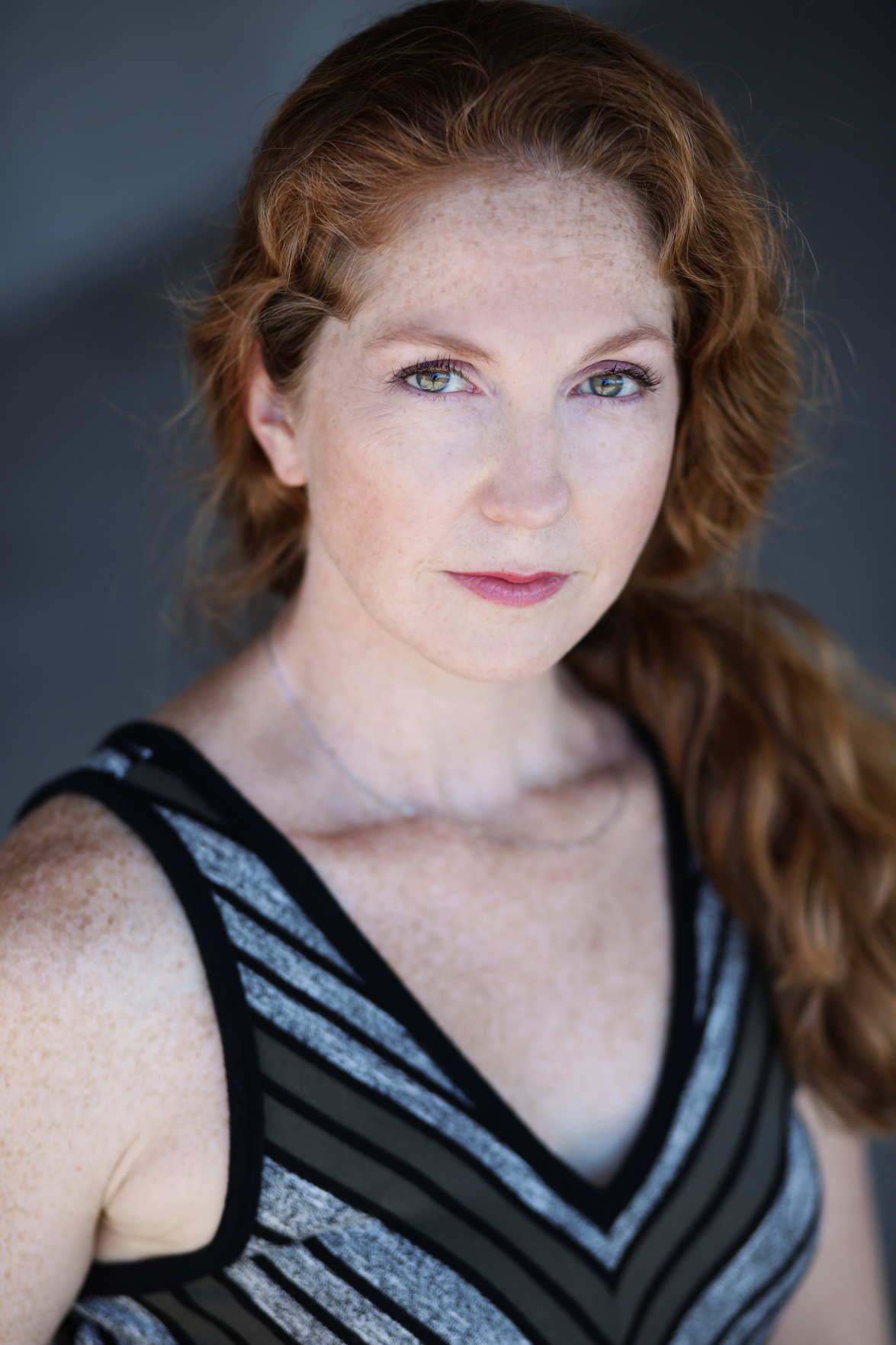
Since arriving in Nashville in 2013, Carrie Brewer has earned a solid reputation as an actor, singer and teaching artist. But Brewer also is an accomplished fight choreographer, having worked extensively in the indie theater scene in New York and teaching stage combat at The American Musical & Dramatic Academy in both New York and Los Angeles.
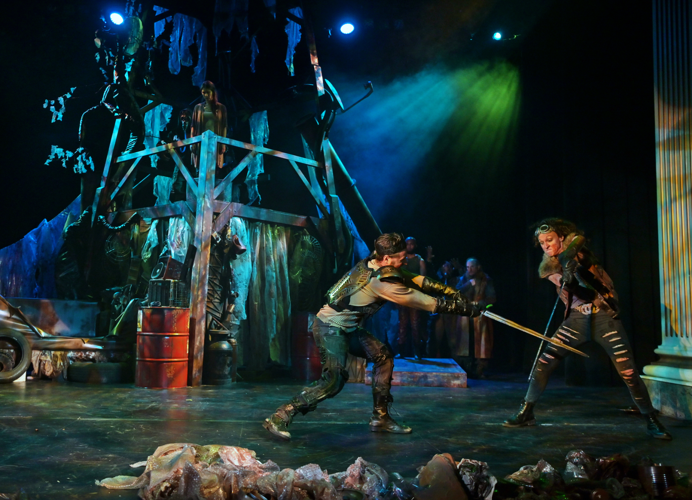
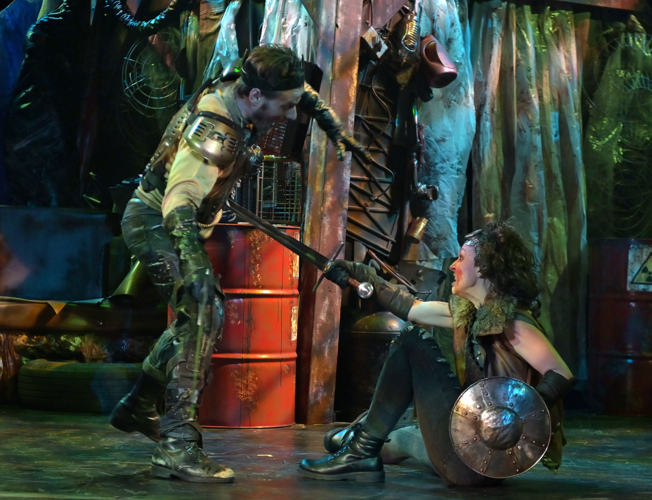
Brewer is currently fight-directing Macbeth, which opens at Nashville Shakespeare Festival Jan. 9, as well as A Streetcar Named Desire, which opens at Nashville Repertory Theatre Feb. 6. The Scene spoke to Brewer about both productions, her career and empowering women through her craft.
How did you get into stage combat and fight choreography?
I was in a production of The Three Musketeers in college and got my first taste of stage combat playing Lady de Winter. I absolutely loved it and realized that I had a knack for it. So I started really digging in, learning everything I could. Later, I had the opportunity to work with a great Broadway fight director named Rick Sordelet, and he taught me so much. Back in those days, there weren’t many women in the game, but I kept at it. I know I lost a lot of jobs because I was a woman, but I also gained quite a few. And it’s been fun to empower other women along the way. One of my very favorite experiences was working at the Treasure Island Casino in Las Vegas. It was a big spectacular stunt show, and all the pirates were women. Nothing beats a good old-fashioned, single-rapier swashbuckling fight!

Macbeth
Can you talk about your creative process and how you approach specific fight scenes?
As with anything, it starts with the script. I look at the time period and what weapons would be used. I look at the characters — who they are and how much training they would have, along with things like their mental state or where they are in the overall story. I like to work very closely with the director, talking through each scene. To me, a show succeeds when you can’t tell where the scene work stops and the fight scenes begin.
I usually come into rehearsal with the basic framework in place, and then color in the scenes with input from the director and actors. It’s a very collaborative process, which I love. And as an actor myself, I want to be sure I’m giving the actors moves they can handle and really sink their teeth into. And, of course, safety is number one, so we spend a lot of time working on that.
How do the challenges of choreographing big battle scenes for Macbeth compare to the more intimate scenes from Streetcar?
They’re so very different. Macbeth is loaded with big battle scenes, and this production is especially interesting because of its post-apocalyptic setting. [Director] David Wilkerson has added some cool, supernatural elements. And [props master] Amanda Creech has pulled together all these crazy weapons. But it’s still rooted in sword and shield combat. This is actually my sixth production of Macbeth, but I never tire of it — it’s so dense and delicious.
Streetcar, on the other hand, deals with domestic violence. So it needs to look totally untrained and un-choreographed. It’s messy and scrappy — very visceral. It’s also very character driven, so I’m looking to the actors for input. It’s really the same process, but an entirely different experience. But I’m excited about both productions. I think audiences are in for a treat.



