
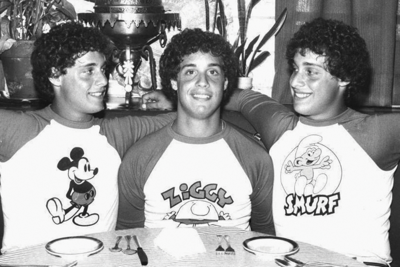


Half an hour into Three Identical Strangers, it becomes very obvious that this documentary is destined for a narrative remake. The film carefully structures its storytelling, to a degree beyond nonfiction films’ usual aesthetic, and isn’t ashamed to be manipulative. The concept of spoilers isn’t traditionally relevant when discussing documentaries, which often depict real-life events that viewers are familiar with. But Three Identical Strangers features a lot of twists and turns we shouldn’t give away.
The film begins in 1980, as a group of male triplets who were separated at birth — David Kellman, Bobby Shafran and Eddy Galland — discover each other’s existence in New York. They were raised by different parents, but they look identical, right down to their Afros, and they become minor celebrities, appearing on talk shows and partying at Studio 54. At first, Three Identical Strangers seems like a lighthearted celebration of three men learning their true family ties in their early 20s and befriending each other. But things turn darker and more conspiratorial, veering into an exploration of the abuse of scientific power, the question of the influence of nature-versus-nature and implicit anti-Semitism (especially among Jews themselves), as director Tim Wardle explores the reasons why they were adopted and widens the frame to include the stories of other adoptees.
The extent to which Three Identical Strangers shamelessly and directly pushes the audience’s buttons makes it feel more like a narrative thriller than a documentary (although Errol Morris’ The Thin Blue Line wound up contributing a huge amount of DNA to subsequent films of the documentary genre). It’s very pleasurable to watch, up to a point, but the tragic turns the film eventually takes could make the viewer feel guilty for enjoying its early scenes as though they were fiction. The film isn’t a consciously meta interrogation of the construction of cinematic narrative, or of how spectators’ enjoyment of characters’ ups and downs can easily veer into schadenfreude, but these issues are likely to cross one’s mind during viewing.
Probably by accident, Wardle made a documentary that raises some of the same questions about cinema’s voyeuristic nature and spectatorship’s tendencies toward ugliness as classics like Rear Window and Peeping Tom. Three Identical Strangers is very entertaining on its surface, but its undercurrents might make you a bit queasy.



