

Nashville-based filmmaker Rod Blackhurst has an eclectic filmography.
Blackhurst’s feature films are sturdy genre affairs — like his solo feature-length directorial debut, the 2017 post-apocalyptic thriller Here Alone, or the 2023 throwback crime picture Blood for Dust starring Scoot McNairy and Kit Harrington. He also has plenty of experience in the ever-expanding world of streaming true-crime documentaries, having directed the six-episode series John Wayne Gacy: Devil in Disguise in 2021 and co-directed 2016’s wildly popular Amanda Knox for Netflix.
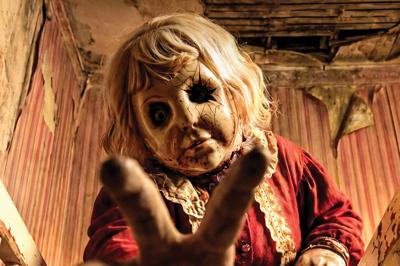
Blackhurst’s latest, the grindhouse-inspired slasher Dolly, melds the two approaches, mixing real-world horror with only-in-the-movies storytelling. Shot in the woods of Signal Mountain just outside Chattanooga, Dolly is part Texas Chain Saw Massacre, part New French Extremity, with the grimy filmstock and gore-filled sequences to match — plus a pair of committed performances from stars Fabianne Therese and Seann William Scott.
Despite being filmed in East Tennessee, Dolly is “full of the Nashville vibe,” and much of the film’s crew hails from Middle Tennessee. In true Music City fashion, Blackhurst — who moved to Nashville with his family in 2017 — even formed a country band called The Babyboys alongside local musicians Carl Anderson and Tim Bruns just to write and record two songs for the film’s soundtrack.
Ahead of Dolly’s release this week, we spoke with Blackhurst about his filmmaking influences, making movies in Tennessee and more. This interview has been edited for length and clarity.
What was it like filming in Tennessee?
It was not lost upon us that Sam Raimi made The Evil Dead [in East Tennessee] and suffered the elements of a Tennessee season. And so we always said, “Well, if he could do it, then we could do it too.”
It’s hard when you’re spending a lot of money to film in a state that doesn’t have the tax help that the independent films need. Tennessee does have some tax rebates, but they are for entities usually that have a tax burden, so corporations and big corporate entities like Amazon or CMT. But when you’re making an independent film, you’re essentially just starting a single-purpose vehicle that will actually be done in a couple years. All the revenue flows through, so you’re never going to have a tax liability. So it’s really hard to justify spending money when you can’t protect your investors’ money. And that being said, we’re always making things in Tennessee. We’re making something right now. We made a movie in the fall in Goodlettsville.
What were some of the influences on Dolly?
There’s bits and pieces of all the things that have made us. Any artist is a sponge to the influences and things that have shaped them. I saw Texas Chain Saw [Massacre] at an age when I shouldn’t have; it leaves a mark, same with Halloween. … There’s a bit of The Shining for its descent into madness. But there’s — from the New French Extremity — High Tension and Calvaire and Martyrs, these films that are relentless in their pace and the way that they also feel slightly outside the realm of possible. But there’s also literary influences, like Grimms’ Fairy Tales.
How did you replicate that grimy, textured ’70s horror look?
We shot on 16 mm film, but that’s because we had no time and money and we needed a way to shoot outside during the day that could handle us not being able to control light. … The tip of the hat became suddenly a little more obvious, but it was never something we weren’t talking about. The references are intentional, but the style now becomes a thing of its own as you start making something, and that’s how any movie is, right?
There are some gnarly practical effects in the movie. How did you pull that off with a small budget?
I tell you how you pull it off. You have an incredible special effects team, this duo from New Jersey, Yellow Moth FX, and you have three incredible, delightful VFX artists in Los Angeles who took a matte, painterly approach — Ethan Feldbau, Adam Miller and Tim Hendrix — and they work in concert to marry what we did practically on set with the extension that we have to do in post.



Post a comment as anonymous
Report
Watch this discussion.
(0) comments
Welcome to the discussion.
Log In
Welcome to the discussion.
Keep it clean. Please avoid obscene, vulgar, lewd, racist or otherwise abusive language. Comments featuring hate speech or threatening or violent content will not be tolerated.
PLEASE TURN OFF YOUR CAPS LOCK.
Be truthful. Don't knowingly lie or mislead.
Be proactive. Use the “report” link on any comment that violates our comment policy.
Share with us. We'd love to hear your feedback.