

The case of Jackie Shane is a heartbreaker for a historian like Sarah Calise. She and Shane lived in Nashville at the same time, but Calise never got the chance to meet her before Shane’s death in 2019. In fact, Calise first learned about the Nashville native trans soul singer through her obituary in The New York Times.
Shane lived in relative isolation for the last couple decades of her life, and even some of her nieces and nephews didn’t know about her. But in the past decade or so, she’s started to receive her due recognition. She released a compilation album in 2017 (and later talked to the Scene about it) and was the subject of the Peabody-winning documentary Any Other Way: The Jackie Shane Story in 2024. Calise was a part of that movement — with her project Nashville Queer History, she helped place a historical marker on Jefferson Street honoring Shane in 2025.
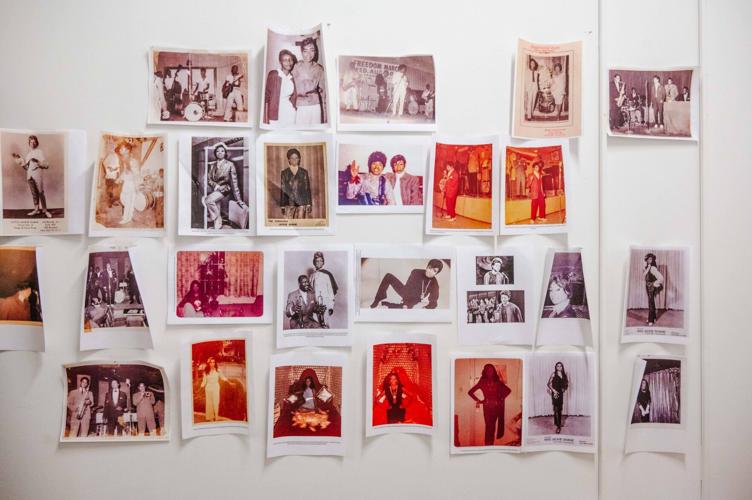
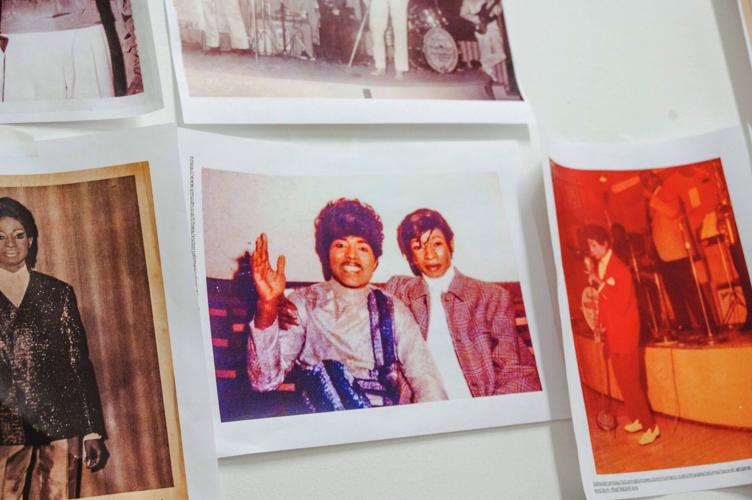
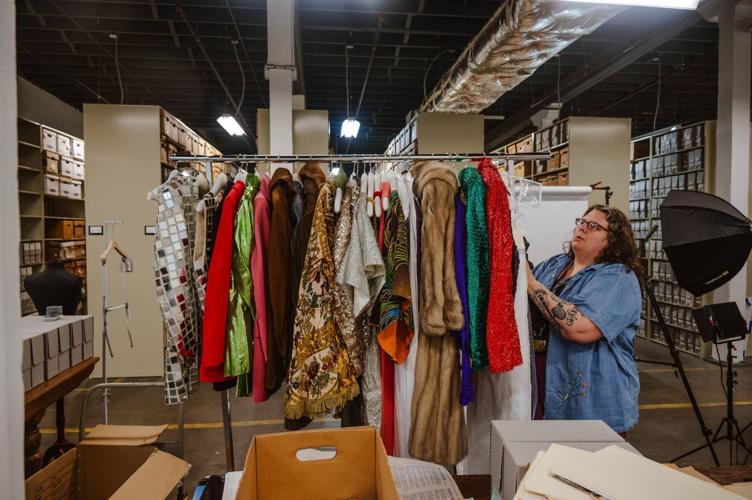
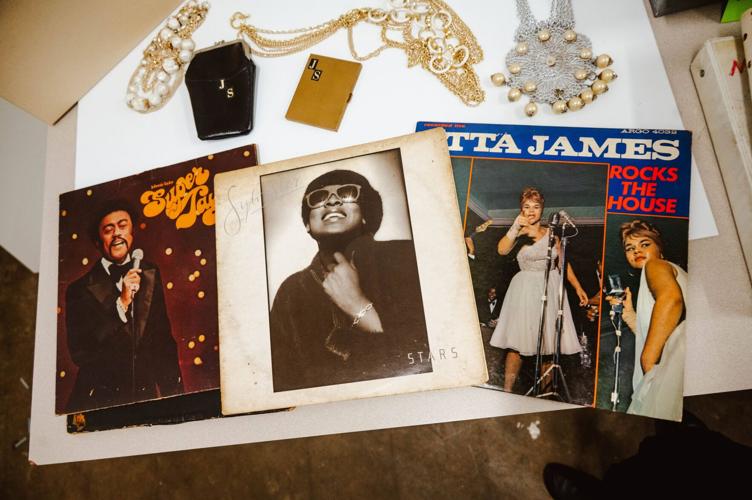
Beginning on Oct. 6, Nashvillians can view photographs, stage costumes, writings and other artifacts that Calise — acting in their role as Vanderbilt’s curator of community histories — has obtained from Shane’s family.

Vanderbilt’s curator of community histories Sarah Calise oversees Jackie Shane's wardrobe
Shane rocked the stages of North Nashville’s Jefferson Street at the start of her career, but fled the oppressive Jim Crow South and moved to Canada by 1960. She gained popularity in Toronto, frequently packing out the Saphire Tavern stage, and her song “Any Other Way” reached No. 2 on Toronto’s radio charts in 1963. Her peers included artists like Little Richard — for whom she created wigs and stage costumes — as well as Marvin Gaye, Etta James, The Drifters and The Temptations.
Calise tells the Scene that Shane was invited to be on The Ed Sullivan Show and other notable programs, but producers wouldn’t allow her to perform as her true self — a woman. She ultimately left the music industry in 1971.

From the Jackie Shane Archive
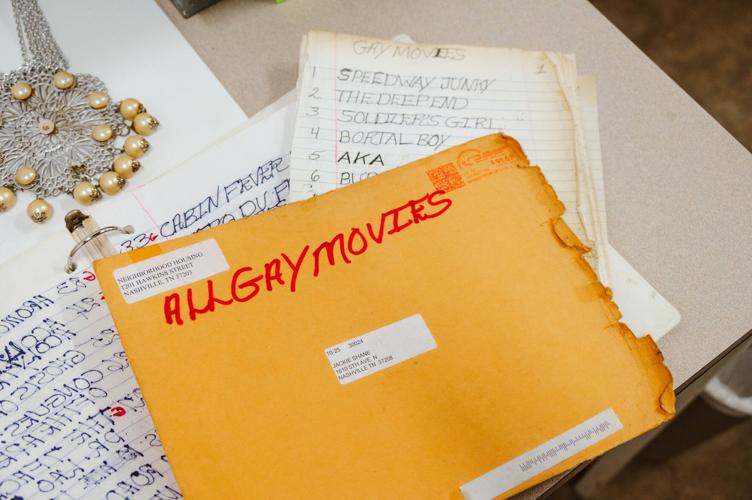
In her scrawling script, often written in all capitals, Shane wrote “MISS JACKIE SHANE” on nearly every one of the records in her collection, as well as other belongings. (The archive includes an extensive diary of movies she had watched, in which she denoted which ones were “GAY.”) In her artist bio, Shane refers to herself as “she” — which was always replaced with “he” before distribution. Shane was as out as she could be, but remained limited by her race and transgender status.
“A lot of times it is ‘Miss Jackie Shane,’” Calise observes, “and a part of me is like, ‘Is that her, over her life, constantly affirming for herself, Miss Jackie Shane, Miss Jackie Shane?’”
At the Oct. 6 event, Calise hopes people will walk away with a new favorite artist. Jackie Shane is every bit the fun, flashy and sassy frontwoman with a generational vocal talent. Shane also was known to give an inspirational speech about herself, punctuated with references to herself in the third person — “That’s Jackie.” People need that affirmation, Calise says.

From the Jackie Shane Archive
During a monologue in her live album, Shane shares a word of encouragement to the audience.
“You know what my slogan is?” she asks. “Baby, do what you want, just know what you’re doing. As long as you don’t force your will and your way on anybody else, live your life, because ain’t nobody sanctified and holy. … When we leave here we don’t know where we’re going.”
Calise wants visitors to realize that Shane was also creative in her life, outside of her music.

“She was creative in life in rejecting these boxes,” they say. “We all grow up with these societal ideas and the boxes that we’re all supposed to fit into. There are actually really amazing, creative people out there from the past and today that are brave enough to say, ‘No, I reject your box.’ I’m going to do my own thing, and as long as it doesn’t hurt you, it’s fine.’”
They continue: “I think trans people are the most creative people on earth, because they are able to imagine a world that does not exist. They’re able to imagine a better world where you can be whoever you want to be, and everyone’s cool with it.”
Calise notes that it is rare to have a collection from a Black trans woman from the South. Because of population density and a concentration of resources, the coasts have been more documented in LGBTQ history, as well as the Midwest, concentrated around Chicago.
“Jackie proves that people were doing this 100 years ago,” she says. “They were doing it 500 years ago. We have documented evidence of that. That is the importance, at the end of the day, of archives.”



Post a comment as anonymous
Report
Watch this discussion.
(0) comments
Welcome to the discussion.
Log In
Welcome to the discussion.
Keep it clean. Please avoid obscene, vulgar, lewd, racist or otherwise abusive language. Comments featuring hate speech or threatening or violent content will not be tolerated.
PLEASE TURN OFF YOUR CAPS LOCK.
Be truthful. Don't knowingly lie or mislead.
Be proactive. Use the “report” link on any comment that violates our comment policy.
Share with us. We'd love to hear your feedback.