

Four years ago this month, Nashville was passed over as a host city for the 2026 World Cup. It was a blow to soccer fans across the region after months of Music City being discussed as a candidate for one of the final spots on the list.
But even after having been passed over by FIFA, Nashville still has an integral part to play in the World Cup proceedings. To the delight of the region’s large Kurdish population, Nashville SC up-and-coming midfielder Ahmed Qasem was chosen to represent Iraq. There are watch parties popping up across the city, from Plaza Mariachi and Fogg Street Lawn Club to Chapstick and even the home of Nashville SC — Geodis Park itself. Most notably, the famed Samurai Blue have made Nashville their home base during the monthlong tournament.
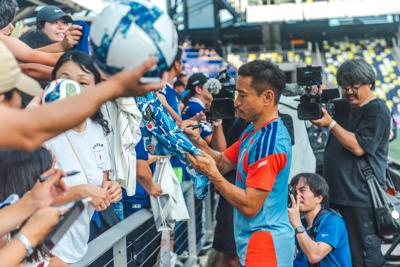
As the World Cup takes place in cities across North America, the Japanese Men’s National Soccer Team — or the Samurai Blue, as they’re known around the globe — has been practicing at NSC’s 60,000-square-foot training facility in Antioch, flying back to the city between each of its matches. The team and its parent organization, the Japanese Football Association, began scouting out Nashville as a potential base camp for this summer’s World Cup more than a year ago … despite the city not being on FIFA’s approved list of home-base sites.
"With the FIFA Club World Cup last year, the Olympics selecting us, we've got bids in 2031 for the Women's World Cup, the city had become a soccer city, a global soccer city, but we also have beautiful new facilities, and that certainly was appealing to them," says Nashville SC chief business officer Lindsey Paola.
According to those involved in the recruitment process, it was down to Nashville and one or two other cities, including Austin, Texas. When Japan’s three group stage matches were revealed to take place in the Dallas area and in Mexico — rather than World Cup locations closer to Nashville like Kansas City or Atlanta — many thought the team would elect to stay elsewhere. But the city had an ace up its sleeve.
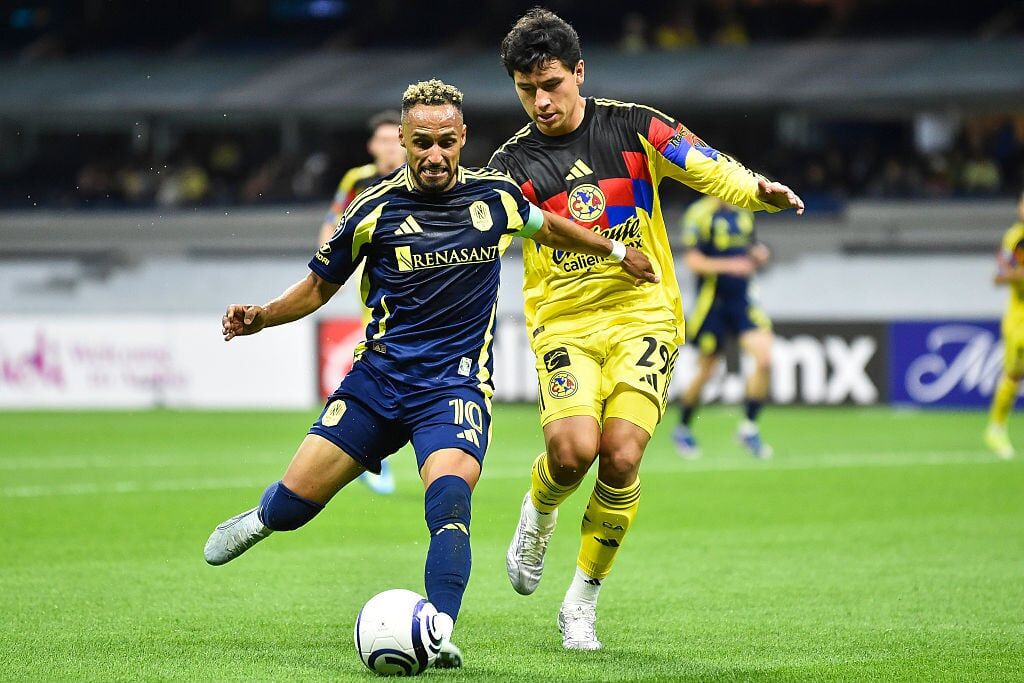
NSC downs Club America 1-0 in storied Estadio Azteca, advances to semifinal round of Concacaf Champions Cup
Mayor Freddie O’Connell’s chief of staff Masami Tyson is a native of Japan. Tyson happened to be giving a speech at an international conference in Tokyo in the fall of last year as deliberations between Nashville and Japan were ongoing. She carved out some time to visit the JFA headquarters to give them the “hard sell.” When the JFA made a reconnaissance visit to Nashville, Tyson gave them a presentation, in Japanese, about the long history between the city and Japan.
“I used to work for the state, and I was in charge of recruiting foreign companies to Tennessee, and a big bulk of them are Japanese,” says Tyson. “And then, of course, I’m from Japan, so I had a lot to say about how it would be a great fit for the soccer team.”
According to the Tennessee Department of Economic and Community Development — where Tyson spent nearly four years as the global director of foreign direct investment and trade — more than 200 Japanese-owned companies operate in the state. Global businesses like Nissan and Bridgestone have situated their American headquarters in the Nashville area. The investment has led to many jobs in the region, but also to an influx of Japanese people moving to Middle Tennessee, bringing elements of their culture with them. That cultural familiarity was a major part of what sold the Samurai Blue on Nashville, despite a lack of geographic proximity to their match sites.
“I think it speaks volumes for our city,” says Deana Ivey, chief marketing officer for the Nashville Convention & Visitors Corp, which acted as the liaison between the JFA, Nashville SC and the city.
The team’s official traveling party — consisting of 23 players, legendary Japanese manager Hajime Moriyasu and his coaching staff, trainers, nutritionists, JFA delegates and more — is already a large crew. But approximately 150 members of the Japanese media have also made the trip to North America for the Cup, and they’re all calling Nashville home this month as well.
“Japanese TV is interesting — it’s like it used to be here,” says Tyson. “We do have cable TV in Japan, but it’s not as prevalent, so most people just watch the same five or six channels. … They will report about the team every day in June, but the media delegation also asked me about what kind of stories they could run about Nashville while they’re here.”
It’s a priceless level of international exposure for a city that’s aiming to be more global. Both Tyson and Ivey mention the influence on the potential addition of a direct flight from BNA to Tokyo in the future.
“Having stories in Japan and across Asia, it helps our marketing, and one of our priorities is international growth, bringing in more international visitors,” says Ivey.
Thanks to a freewheeling style of play, rootable rosters and a knack for punching above their weight, the Samurai Blue always seem to be the neutral fan’s rooting interest every four years during the World Cup. They’re the perfect team for any soccer skeptics (or FIFA haters) to check out. Maybe you’ll even find yourself at a bar in Nashville, alongside the many local Japanese fans, screaming, “Vamos, Nippon!”



Post a comment as anonymous
Report
Watch this discussion.
(0) comments
Welcome to the discussion.
Log In
Welcome to the discussion.
Keep it clean. Please avoid obscene, vulgar, lewd, racist or otherwise abusive language. Comments featuring hate speech or threatening or violent content will not be tolerated.
PLEASE TURN OFF YOUR CAPS LOCK.
Be truthful. Don't knowingly lie or mislead.
Be proactive. Use the “report” link on any comment that violates our comment policy.
Share with us. We'd love to hear your feedback.