
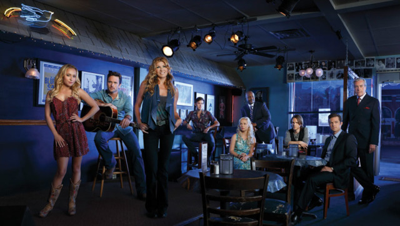

As fans prepare for the series finale of Nashville, The Beacon Center of Tennessee has released a report highlighting the costs of film incentives.
The nonprofit, libertarian-leaning think tank's report argues to Nashville fans and Nashville residents that the end of the show is an positive development when it comes to taxes.
“Calling Cut on Film Incentives” covers all of Tennessee’s film incentive recipients, but Nashville bears the brunt of the report, which cites the show’s $45 million in state incentives — the most taxpayer money of any project.
Beacon Center CEO Justin Owen stresses what he calls the poor return on investment that comes from film incentives.
"While we are against all forms of corporate welfare, film incentives have unquestionably proven to have the worst return on investment of any type of handout," Owen says. "Studies show that film incentives have a return on investment of anywhere from just seven cents per dollar to 28 cents per dollar, an investment that only the government would make."
The report notes that Nashville, after being cancelled twice in three years and moving from ABC to CMT, still received the largest incentives per season of any show.
“The smallest incentive, $5.7 million given for the sixth and final season, was still awarded after CMT announced the show would be permanently cancelled.”
The report suggests similar situations can often hold cities and states hostage after receiving taxpayer money.
“After the show’s second season, ABC producers explored moving filming to Austin, Texas, unless the show received more in Tennessee taxpayer incentives for the third season," the report says. "However, this came immediately after less than 50 percent of season two’s budget was spent in Tennessee, a series low.”
Owen goes on: “It seems like Tennessee government officials were throwing darts blindly when they picked what productions to subsidize. In fact, over 40% of the films that received tax dollars actually made less money at the box office than what taxpayers gave them in incentives. Whether it is the TV show Nashville, which has cost us upwards of $45 million in tax dollars and has now been canceled twice due to low viewership, or movies like Bailey, which cost us nearly ten times more in tax dollars than what it made at the box office, Tennesseans are getting a raw deal with film subsidies. It is time for us as a state to call cut on film incentives."



