
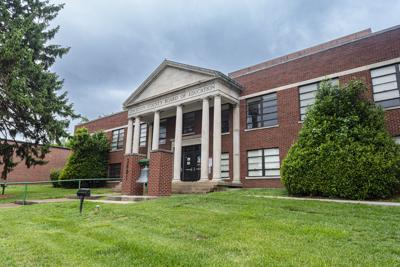

The Metro Nashville Public Schools district shared its ongoing goals for redesigning alternative learning centers at a school board meeting Tuesday. There are three alternative learning centers — schools that serve students who have been expelled or suspended from their original schools — in the Metro Nashville Public Schools District: Johnson Alternative Learning Center, W.A. Bass Learning Center and Park Avenue Elementary School (which also hosts traditional pre-K to fifth-grade students).
Chief of student support services Elisa Norris laid out the plans for the second phase of a long-term redesign process meant to emphasize social and emotional learning and academic support, which is part of the district’s wider pandemic recovery goals. The first phase sought to enhance academic programming by providing credit recovery opportunities and academic support programs like the Advancement Via Individual Determination (AVID) program. The district has also increased student social and emotional services and added transition success specialists to help students navigate the process of returning to their original schools.
The second phase of the plan includes rebranding alternative learning centers to be called A.C.E. (“amplify, cultivate, engage”) centers. The district also hopes to start “student success centers” across the district's different quadrants. Norris described these as places to “keep students on a path to success in the least restrictive setting possible” through “proactive intervention for students in need of additional levels of restorative approaches.” Students would attend the centers for 20 to 60 days. Phase two will also focus on fostering more community partnerships and college and workforce preparation opportunities. Director of Schools Adrienne Battle noted that these plans will be factored into next year’s aspirational budget, which means they aren’t coming anytime soon, and there’s no guarantee that they will be funded.
Johnson Alternative Learning Center principal Myron Franklin told the board that recent interventions have improved student successes at his school. He shared struggles that the school has experienced, including a riot, daily fights, frequent suspension and disciplinary actions. Franklin discussed how wraparound services, support from counselors and increased communication with students and their families have helped decrease suspensions and increase attendance.
“What we've learned is by giving students those things upfront, it makes it much easier when they transition back to the schools,” said Franklin.
Students from the Johnson Alternative Learning Center were recognized at the May 14 school board meeting for their work on the Hawks Talk Podcast, which launched in January. The podcast features interviews with various Nashville leaders, including a two-part discussion with Battle. Students addressed the school budget and school lunches and expressed a desire to bring sports and more opportunities outside of academics to alternative learning centers. They also highlighted the need for a later school start time, which could help students who have to work and stay up late to finish assignments. One student expressed concerns about continuing pathways from traditional high schools at alternative schools. Battle’s responses mentioned the work that’s happening to increase those pathways but also the complexities and financial barriers that come with it.
The Hawks Talk Podcast is available on Spotify and Apple Podcasts.



Post a comment as anonymous
Report
Watch this discussion.
(0) comments
Welcome to the discussion.
Log In
Welcome to the discussion.
Keep it clean. Please avoid obscene, vulgar, lewd, racist or otherwise abusive language. Comments featuring hate speech or threatening or violent content will not be tolerated.
PLEASE TURN OFF YOUR CAPS LOCK.
Be truthful. Don't knowingly lie or mislead.
Be proactive. Use the “report” link on any comment that violates our comment policy.
Share with us. We'd love to hear your feedback.