
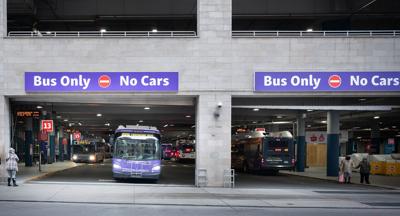

Mayor Freddie O’Connell has proposed an early batch of transit-related projects targeting fare subsidies, bus efficiency and signal upgrades.

Digging into Mayor Freddie O’Connell’s transit referendum, which will be on the ballot in November
The 11-point spending plan, which totals roughly $60 million, shows urgency from O’Connell while the mayor’s office juggles several outstanding unknowns. The mayor does not yet know the future of critical federal funding that may affect departments citywide, he told reporters on Friday. The overarching transportation initiative, known publicly as "Choose How You Move," is still interviewing final candidates for an executive leader, a process O’Connell has controlled directly. The $60 million eyed by O’Connell — sales tax proceeds that voters legally OK’d for transit in November’s referendum — follows projections from his finance director and has not actually been collected yet. Even the mayor’s press release, sent minutes before 5 a.m. on Friday, indicates an eagerness to get moving.
Funding would initiate planning for several larger projects, like a new downtown transit center south of Broadway, modern traffic signals and expanded eligibility for free and reduced fare subsidies. O’Connell also proposes money for 12 new buses and "39 miles of street infrastructure" — a broad category that includes sidewalks and bike lanes.
A new curbside lane in Midtown and a "queue jump" on Murfreesboro Pike take first steps toward drivers’ new normal — negotiating limited roadway space with purple WeGo buses. These projects will enable buses to bypass traffic, improving transit travel time. Money will begin work on Nashville’s first "all-access" corridor, a comprehensive plan to remake Main Street from the East Bank to Eastland. O’Connell wants the travel time equation to shift in favor of public transit but does not have specific ridership goals.

Voters give mayor’s $3.1 billion plan the green light
“ There are broad goals that expect and anticipate ridership increases,” O’Connell told the Scene Friday morning. “ We're expecting special-event rides to pick up, and we're expecting core system rides to pick up. We'll see, probably as we bring a chief program officer online, some of those specific targets.”
WeGo ridership data from October, November and December 2024 show a 5 to 7 percent increase over the previous year, with about 8.1 million total trips.
The Metro Council will consider the official funding request, which O’Connell has filed as supplemental budget legislation.



Post a comment as anonymous
Report
Watch this discussion.
(0) comments
Welcome to the discussion.
Log In
Welcome to the discussion.
Keep it clean. Please avoid obscene, vulgar, lewd, racist or otherwise abusive language. Comments featuring hate speech or threatening or violent content will not be tolerated.
PLEASE TURN OFF YOUR CAPS LOCK.
Be truthful. Don't knowingly lie or mislead.
Be proactive. Use the “report” link on any comment that violates our comment policy.
Share with us. We'd love to hear your feedback.