
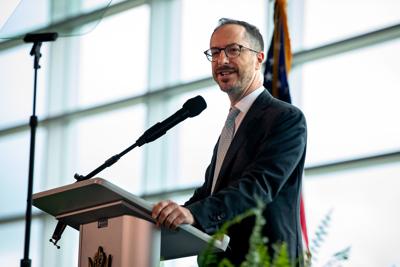

Mayor Freddie O’Connell filed his proposal for Metro’s fiscal year 2027 budget late last week — outlining a $3.8 billion spending plan focusing on affordability issues outlined in his State of Metro address on April 29.
Many of the budget’s priorities focus on maintaining affordability for Nashvillians impacted by inflation, rising gas prices and federal funding cuts. O’Connell is proposing a half-cent reduction to the local grocery tax, lowering the local-option sales tax rate from 2.25 percent to 1.75 percent.
“Reducing our grocery tax doesn’t just change a line on a receipt," says O'Connell in a release. "It acknowledges that feeding your family shouldn’t be treated like a luxury. And putting nearly twice as much funding toward housing reflects our serious commitment to making our city more affordable."

O’Connell casts himself as steady hand and city defender as reelection buzz grows
“It’s also right to take care of our Metro workers, and that’s why we’re fully funding our employee pay plan. To do these things in the face of flat revenues means Metro will need to tighten its belt, and I think it’s the right thing to do for all of us. Being good stewards of our city’s growth means being a good steward of government’s growth as well.”
Investments in housing — a top concern among Nashvillians in a pre-budget public comment period in February — also remains at the forefront of the mayor’s budget.
O’Connell’s proposal would invest $69 million to Metro’s Unified Housing Strategy, a housing solution plan introduced in 2025. The Barnes Affordable Housing Trust Fund would receive $22 million under the mayor’s budget. An allocation of $7 million for the subordinate debt pilot would create a revolving loan program to initiate an affordable housing bond.
Housing programs previously funded with federal pandemic-era relief dollars would also receive support in the budget. This includes a home-sharing program, $1.5 million to fund 15 full-time employees to work with homelessness programs and $2.4 million for eviction right-to-counsel. Millions would also be allocated to anti-displacement strategies, permanent supportive housing and rapid rehousing.
Under O’Connell’s plan, Metro Nashville Public Schools would receive an additional $55.9 million — a 4 percent increase from the figure of last year. The extra funds would go toward pay restructuring for teachers and support for new school start times, as well as to provide a cushion for a loss of state funding.
The Metro Office of Family Safety partnership with the Nashville Children’s Alliance would receive $385,000 to make up for lost COVID-19 funds. The Metro Public Health Department’s Nashville Strong Babies program would receive an extra $250,000 for its doula program. The Metro Public Health Department would also receive $396,000 to go toward work with the Mental Health Cooperative.
The Office of Emergency Management’s budget would increase by 16 percent for warning siren maintenance and emergency preparedness positions.
O’Connell also proposed $8.5 million for the Davidson County Sheriff’s Office to address an increase in incarcerated people. Metro filed a motion in court last week seeking for the state to comply with court orders to assume custody of some of the inmates.
The Metro Council will soon begin deliberating the mayor’s budget as well as crafting its own spending proposals. The council will take a final vote on the budget in June.
This article was first published by our sister publication, the Nashville Post.



Post a comment as anonymous
Report
Watch this discussion.
(0) comments
Welcome to the discussion.
Log In
Welcome to the discussion.
Keep it clean. Please avoid obscene, vulgar, lewd, racist or otherwise abusive language. Comments featuring hate speech or threatening or violent content will not be tolerated.
PLEASE TURN OFF YOUR CAPS LOCK.
Be truthful. Don't knowingly lie or mislead.
Be proactive. Use the “report” link on any comment that violates our comment policy.
Share with us. We'd love to hear your feedback.