


Carnton Plantation
At its peak, Belle Meade Plantation spanned some 5,400 acres. Now the historic home sits on less than 1 percent of that, just a few dozen acres.
As the area around the old house was parceled out in the 1930s and transformed into the tony enclave that took the mansion’s name, more than land was lost. Though the burial site of one of the plantation’s most famous racehorses was noted and memorialized with an engraved stone marker upon his death in the 19th century, little is known about the resting places of the more than 130 enslaved humans who lived there prior to emancipation.
“The construction of the city in Belle Meade has overtaken what would have been those cemeteries,” says Brigette Jones, director of African American studies at the site. “One of the biggest things I’m doing right now is working toward finding some of those records. It’s a huge mystery about where those cemeteries would have been, what happened to them, and if someone knew where they were [and then] decided to build on top of them.”
Jones’ research challenge is immense: Little if any of those records are believed to exist, and even if she could pinpoint the location of an old cemetery of the enslaved, it likely sits on private property.
It’s a dilemma faced by many of the historic properties around Middle Tennessee that were once home to enslaved laborers. At least at Travellers Rest Plantation, located along the railroad line south of downtown Nashville, they have an idea of what happened to the remains of the resident enslaved population. The story — mostly anecdotal according to Travellers Rest education director Tonya Staggs — is that the railroad company bulldozed the hill on which the enslaved cemetery sat, clearing the way for a railyard and employee parking lot. The remains are believed to have been dumped in a mass grave at the nearby Woodlawn Cemetery.
“We haven’t focused a lot on the burials of enslaved individuals here because we just don’t have that property accessible,” Staggs says. “It’s just gone. There’s no remains or anything really left to study.”
Since speaking with the Scene, Staggs says she intends to seek out some of the people who were around during the railroad yard construction.
In an ironic twist, Travellers Rest is home to plenty of well-documented grave sites of former residents and perhaps the longest history of continuous archaeological research in the area. But the graves belong to the native Missisippians who predated both the Overtons and the individuals they enslaved by centuries.
“We actually do have a ton of graves here, but they are not the enslaved population,” Staggs says.

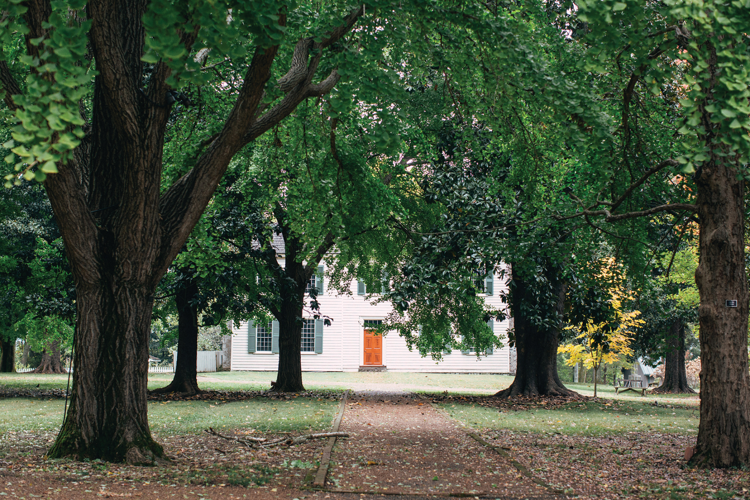
Travellers Rest
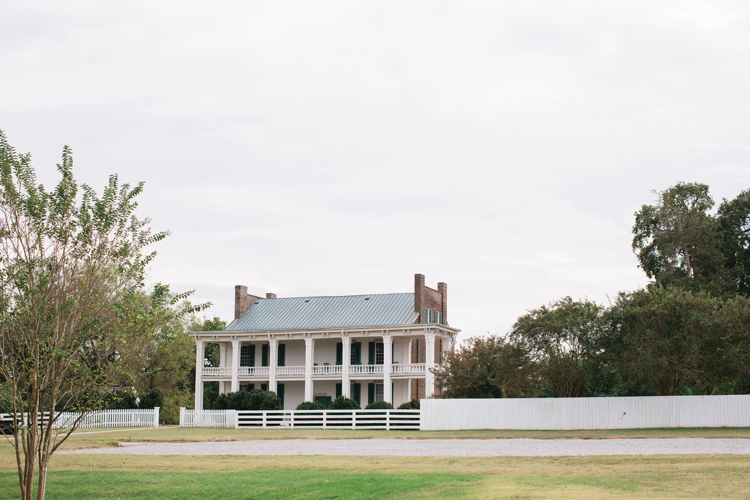
Carnton in Williamson County is unique among local plantations in that it is home to a burial site believed to include the remains of, at least, formerly enslaved laborers. Within the family cemetery, a separate section with several stone grave markers includes just one marker with names on it, belonging to post-Emancipation stillborn twins of a formerly enslaved woman named Mariah Reddick. But burial sites for the vast majority of the roughly 100 enslaved people who lived at Carnton are lost.
A local nonprofit organization, Franklin’s Charge, is unveiling a memorial to Carnton’s enslaved population in November.
“It’s a nice way to forever remind people that it wasn’t just the McGavocks that lived here, and there wasn’t just a battle here,” Battle of Franklin Trust CEO Eric Jacobson says. “There were these people who lived here, confined within a system that plunged us into civil war. That’s always good to remember, as painful as it might be.”
Andrew Jackson’s Hermitage is unique within this local historical void for a number of reasons. For one, the property already has a grave site with the remains of dozens of formerly enslaved people. But the people didn’t actually work at the Hermitage, and their remains were moved to the property after they were found at what was once a neighboring plantation. Hermitage leadership positioned the memorial as symbolically commemorating all enslaved people in the area.
Also unlike other nearby historic homes, The Hermitage retains much of the acreage of the original plantation, meaning that the now-lost cemeteries for Jackson’s enslaved likely aren’t lost beneath a home or a parking lot.
“In the last decade, The Hermitage has increased their research and study of the enslaved population who lived on the grounds,” says David Ewing, a historian and former Hermitage board member who traces his own family to the enslaved population there. “Finding the enslaved cemetery is part of their story, and I’m hopeful that area will be found.”



