


As I sat down to work on an early draft of this story, I saw news of a lesbian couple badly beaten in a homophobic attack on a bus in London. The women, Melania Geymonat and her partner Chris, were attacked by a group of men who demanded the women kiss for their entertainment. The women refused, and left the bus bloodied and bruised. I opened a new document and started from scratch.
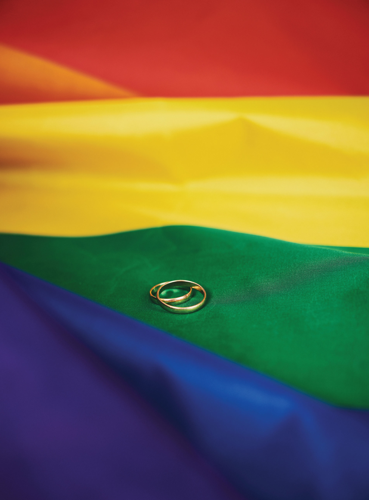
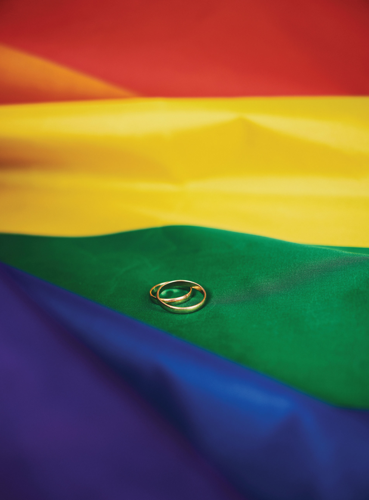
The original pitch for this story was about my relationship with my girlfriend, Mary, and the obstacles we’ve faced as we look forward to getting married sometime in the near future. I’d planned to highlight LGBTQ-friendly wedding-centric businesses in town, with a particular focus on jewelers. Mary and I aren’t necessarily the most traditional — when we do wed, it will be something small and casual in a backyard — but we do want wedding bands. Being frugal and sentimental, we plan to use small pieces of jewelry given to us by family members to create matching bands, something new born from something old.
Making rings was the first item on our to-do list, and it was also our first setback. As I began drafting emails to jewelers, I felt a knot grow in my stomach. See, once you’ve come out, you continue coming out for the rest of your life: to the receptionist at the doctor’s office who asks if the woman’s name on your insurance card is your mother’s (that is, if you’re fortunate enough to share insurance with your same-sex partner); to distant family members at weddings and funerals; to jewelers, when you email them about wedding bands. Chickening out, I asked my mom if she’d call a family friend who ran a jewelry shop in my hometown of Hixson, Tenn. If he said no, at least I wouldn’t bear the rejection firsthand.
This jeweler — we’ll call him Al — has been a friend of my family for my entire life. I remember eating lunches with my cousins and his family after church when I was a child. My mother was a loyal patron of his shop, referring customers and trusting him to repair and care for her favorite pieces of jewelry. He swiftly declined our request for wedding bands — for “ideological reasons” — and my mother hasn’t been back since. It isn’t lost on me how lucky I am to have parents who support me so fiercely.
Earlier this month, a friend texted me from Nordstrom, which is currently decorated with rainbows and flags in celebration of Pride, jokingly asking if I hoped the displays would “piss off” the mall’s more backward-thinking patrons. I surprised her when, instead, I said that I hoped it made them happy. While corporate Pride has its pitfalls (and can get downright cringey — read more on that here), that anger at public displays of LGBTQ Pride — or at those of solidarity with Black Lives Matter, or support for a woman’s right to choose — is what emboldens other business owners to refuse service to LGBTQ people. And far worse, it’s what festers into hateful violence like that senseless attack on a London bus.
I’m sitting down to finish this draft on the three-year anniversary of the massacre at Orlando gay nightclub Pulse, which left 50 people dead, including the gunman, and remains one of the deadliest terror attacks in the United States since 9/11. Also making the news today is video footage of a Knox County sheriff’s detective and pastor calling for LGBTQ people to be executed. It feels strange — silly even — to write about wedding bands when considering such violence. But there’s an obvious line that runs straight from my fear of coming out to strangers to all of these acts of homophobic hate.
Hatred is given room to grow when we refuse to see one another’s humanity. And we can only see humanity in others when we acknowledge it in ourselves, which is something I’ve avoided by denying myself the experience of proudly planning to marry a person I love dearly. RuPaul says it best at the end of each episode of Drag Race: “If you can’t love yourself, how in the hell you gonna love somebody else?”
All that to say: Nashville jewelers, look for an email from me soon.



