

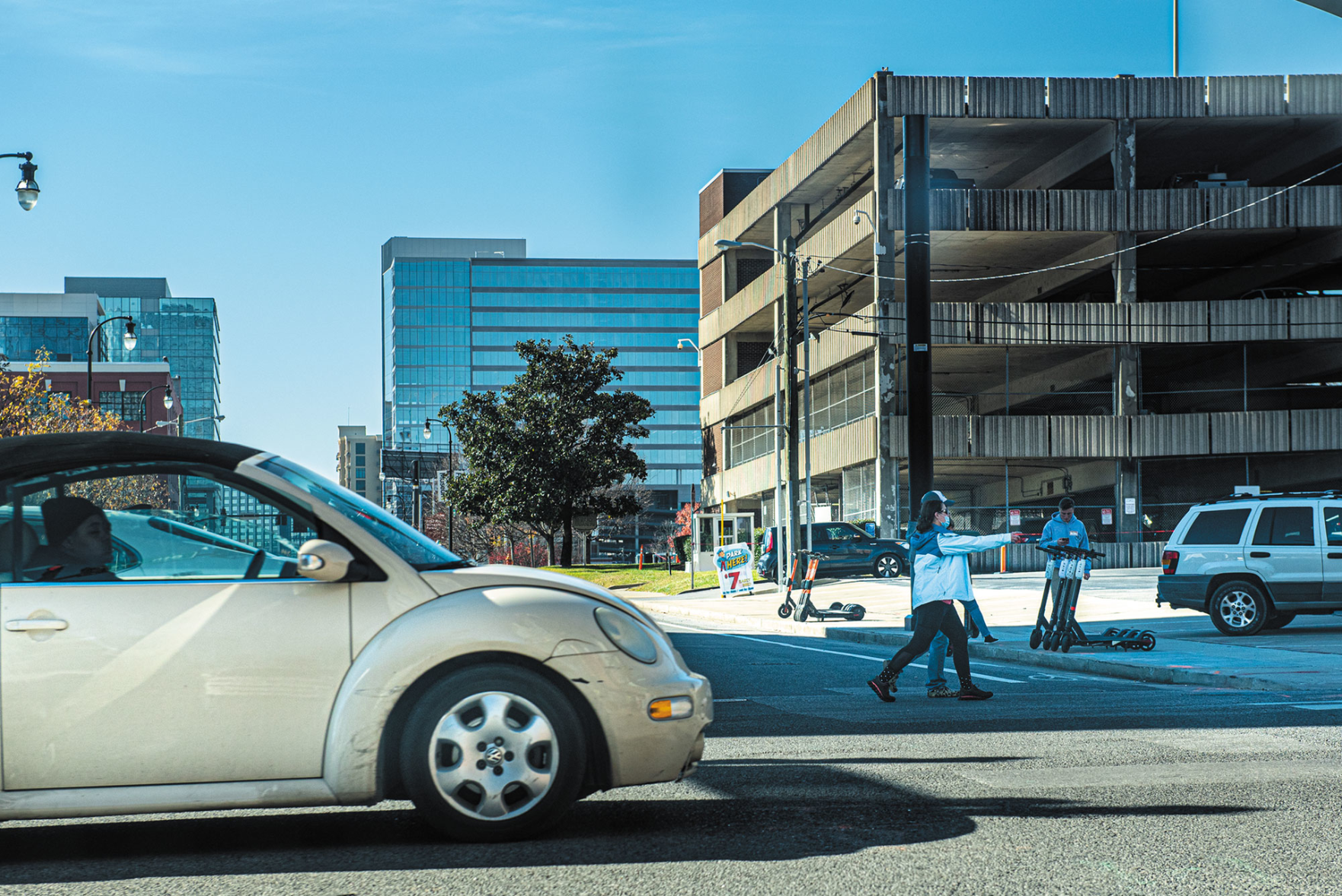
Even with the pandemic keeping many people at home and off the roads, 2020 was the deadliest year on record for pedestrians in Nashville. As of Dec. 16, 38 people were killed while walking in the city, surpassing 2019’s previous record of 32 deaths.
At the beginning of 2020, Mayor John Cooper pledged the city to a Vision Zero Action Plan focused on eliminating pedestrian deaths. But that wasn’t the only transit concern on the mayor’s mind.
Weeks after the mayor pledged his commitment to Vision Zero, Metro organized a series of public listening sessions designed to collect feedback from Nashvillians on their transportation needs and priorities. That feedback helped inform Cooper’s transportation plan, released months later. While the new plan isn’t as ambitious as past proposals, like former Mayor Megan Barry’s doomed multibillion-dollar overhaul, it still faced scrutiny and uncertainty from the Metro Council due to a lack of dedicated funding. Rather than commit tax dollars, the plan from Cooper stresses aggressively pursuing state and federal grants.
Despite the many question marks surrounding the plan, it passed 35 to 5 in a Metro Council vote earlier this month. But what now? Funding is still a big concern, as is Metro’s ability to follow through on short-term goals.
In a statement to the Scene, advocacy group Walk Bike Nashville called the transportation plan “a step in the right direction,” but stressed urgency in the face of a “staggering” increase in pedestrian deaths.
“While the mayor is about to begin a parallel Vision Zero planning process focused on traffic safety,” reads the statement, “we cannot wait for another long-term strategic plan to start making investments in safety.”
Likewise, previous cuts to Nashville’s public transit system WeGo also put the city’s bus services in immediate need of funding.
“WeGo will need upwards of $40 million in funding in the next fiscal year (starting July 2021) to get back to their previous base level of operations funding,” say Walk Bike Nashville representatives.
The $40 million figure includes budget reductions from 2019 and reallocations of funds in 2020 to fill the city’s budget gap.
In a statement, WeGo CEO Steve Bland calls the council’s vote a “first of its kind commitment to major transportation improvements in Davidson County” but warns “the road ahead of us isn’t cleared quite yet.”
“As excited as we are to work with the mayor and other Metro agencies to bring these transportation projects to life,” says Bland, “the fact is we’ll find ourselves further from our goals if we are asked to bear another year of funding cuts.”
Before the council’s vote, Cooper took to the pages of The Tennessean to argue that the incoming Biden administration offers Nashville the chance to secure federal dollars. “As the Biden administration telegraphs they’ll pour more infrastructure funding into America’s communities,” wrote the mayor, “money will be available to cities and regions — if they have an adopted plan and are ready to apply.”
Certainly the biggest question facing the transit plan in 2021 is whether that state and federal money actually shows up. After all, there are some big price tags attached to these projects: Nearly $826 million is slated for expanding and improving buses and public transportation; $75 million is planned for projects concerning traffic safety and the Vision Zero Action Plan; and $15 million is set for upgrading traffic-management signals and systems. The plan comes out to more than $1.6 billion in total.
The plan doesn’t commit the city to any spending in the short term, but some grants the city hopes to secure may require Metro to match the funds. Tackling plans case by case may not be ideal, but it seems better than inaction.
“We need to start somewhere,” said Councilmember Kyonzté Toombs after this month’s vote.
It’s going to be interesting to see just where we start. While Cooper may not seem like an experienced gambler (based on curious sports bets with other mayors), this wait-and-see, piecemeal approach to transportation is still a bit of a roll of the dice.
One thing’s for sure: Too many people walking on Nashville’s streets are dying in traffic accidents. On that front, change can’t come quickly enough.



Post a comment as anonymous
Report
Watch this discussion.
(0) comments
Welcome to the discussion.
Log In
Welcome to the discussion.
Keep it clean. Please avoid obscene, vulgar, lewd, racist or otherwise abusive language. Comments featuring hate speech or threatening or violent content will not be tolerated.
PLEASE TURN OFF YOUR CAPS LOCK.
Be truthful. Don't knowingly lie or mislead.
Be proactive. Use the “report” link on any comment that violates our comment policy.
Share with us. We'd love to hear your feedback.