

Street View is a monthly column in which we’ll take a close look at development-related issues affecting different neighborhoods throughout the city.
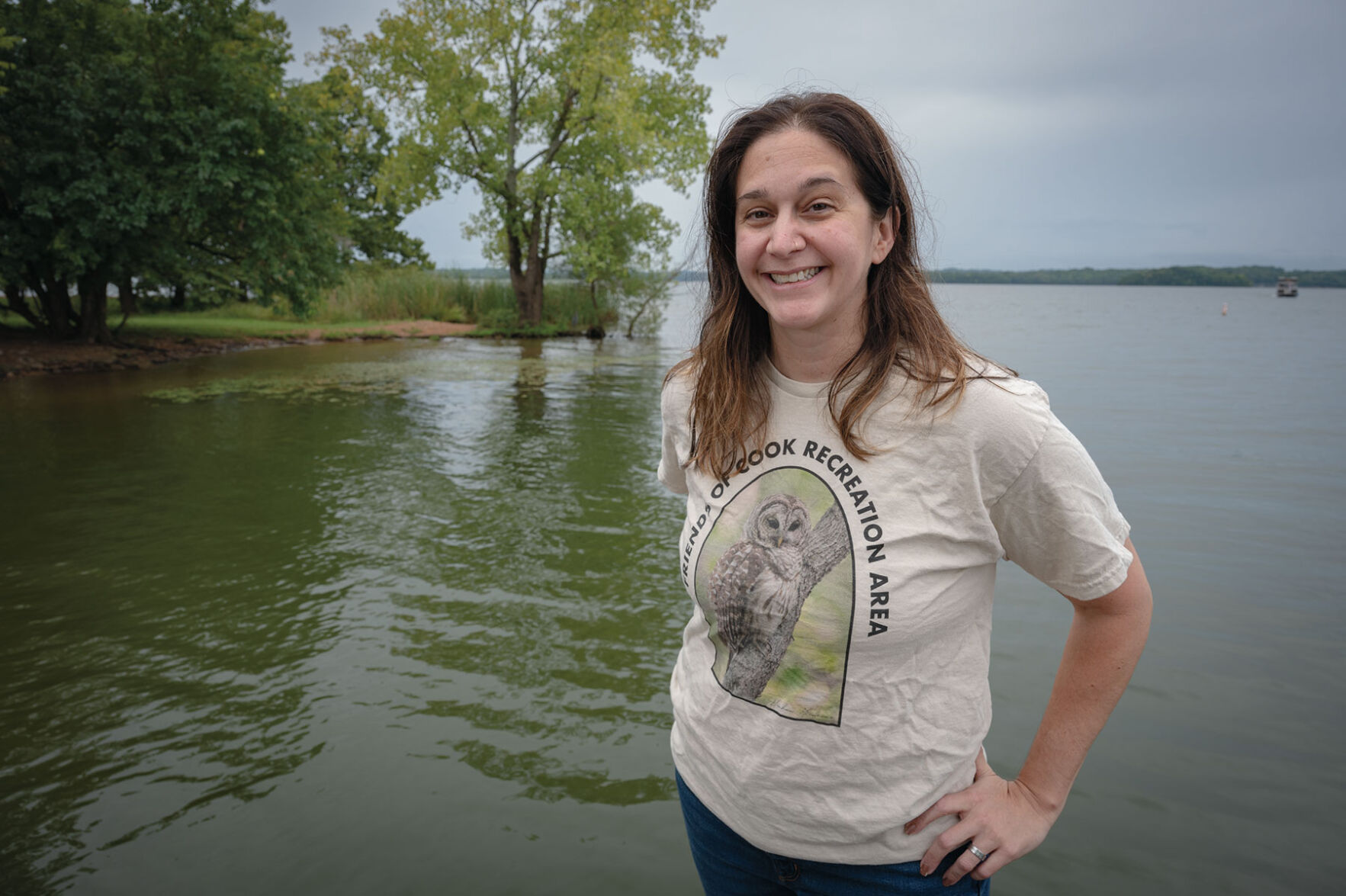
Liz Nix is an avid kayaker. On weekend mornings, she and her husband often paddle to the islands on Percy Priest Lake to share a coffee on the beach. “It’s such a unique opportunity, to be able to paddle out there, sit on that little spit of land, and really just enjoy the whole lake,” she says.
Nix has lived near Percy Priest for 12 years. She usually starts her kayak trips from Cook Recreation Area, a public section of the lake a few miles from her home. Since 1968, the 300-acre parcel of government-owned land has been open to the public.
Roughly two years ago, the U.S. Army Corps of Engineers — the governing body that manages Percy Priest Lake — circulated a notice listing Cook’s land for private-public partnership. The corps has similar lease arrangements on other nearby parts of the lake, like Nashville Shores (leased by Premier Parks LLC) and Elm Hill Marina.
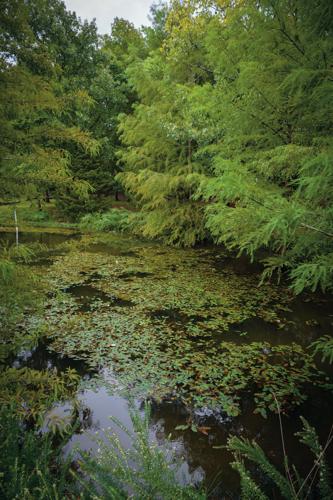
Soon after the announcement, a group of citizens started organizing to keep the area public. Many were concerned with protecting the unique environmental features of Cook, like the cedar groves and small mammal habitats. Others wanted to maintain equitable, free access to green spaces. The group wrote letters to the corps and gathered 1,500 petition signatures. Nix, a former city planner, became a member of the board. This group now calls itself Friends of Cook Recreation Area.
Mary Clark, the head of outreach for Friends of Cook, has lived in the Nashville area her whole life. She grew up camping at Cook during the summer, and she still lives close by. She’s decisive and passionate. When we meet on Zoom, she shares photos of redeveloped areas of Percy Priest Lake that have a public-private partnership with the corps. In aerial shots of Nashville Shores and Elm Hill Marina, she points out loss of tree cover and habitat, paid entrances and pavement where grass once grew.
“Everyone said, ‘Don’t bother, you can’t go up against the corps,’ ” says Clark. But Friends of Cook persisted: They assembled a steering committee and held public forums, eventually getting Mayor John Cooper and the Metro government involved.
On Feb. 17, the Army Corps of Engineers released a statement saying it would no longer be accepting proposals for leasing the area.
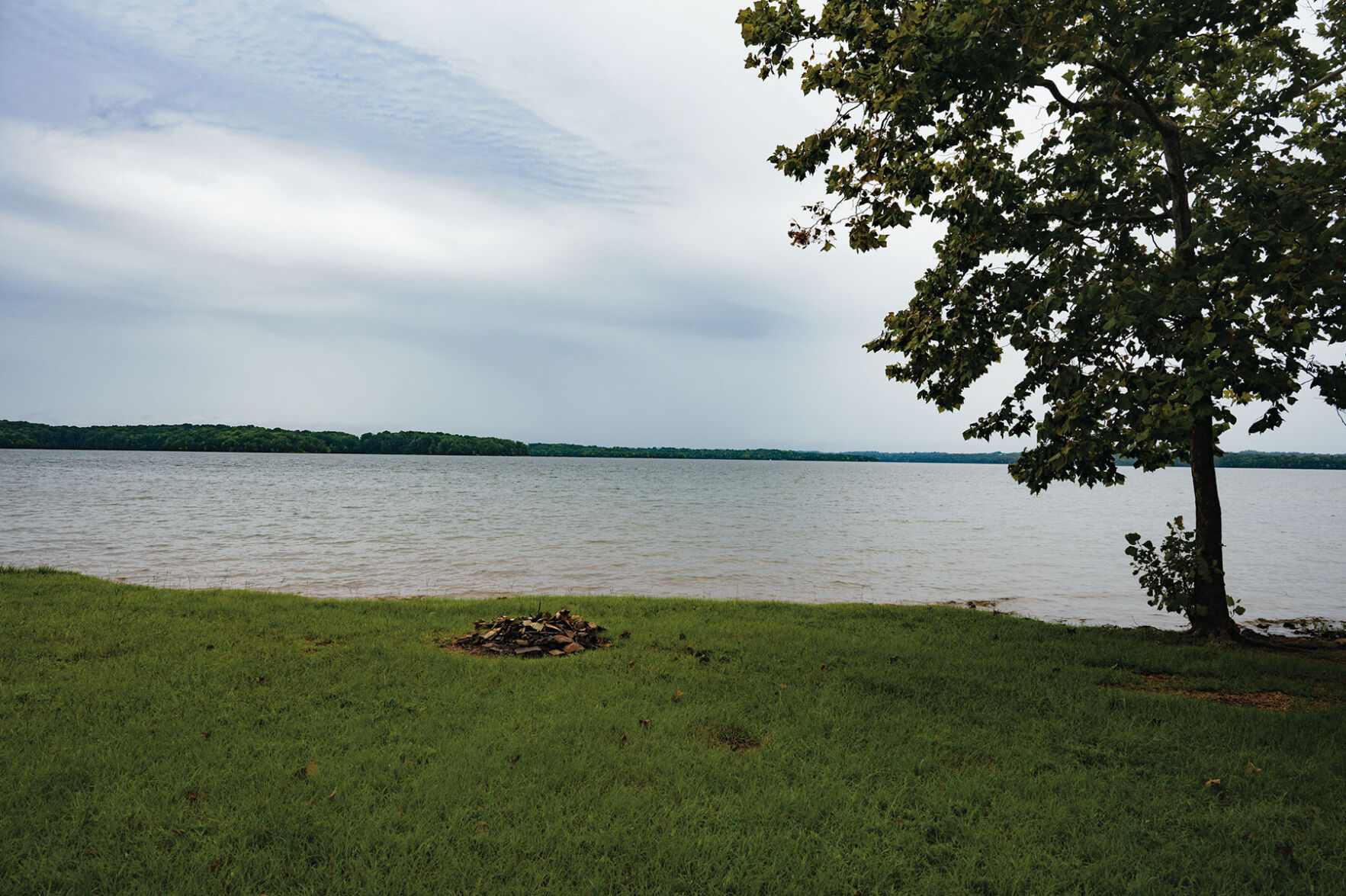
Photo: Eric England
Greg Thomas, Percy Priest Lake’s resource manager, says several organizations had contacted the corps with proposals. But many included “significant environmental impact … so those did not make the cut.”
“Well, none of them made the cut,” says Thomas.
When the corps resolved to keep Cook public, Friends of Cook were thrilled. “The corps heard the people, and the people won,” one organizer told Tennessee Lookout in February.
But behind the conversations around Cook’s future, a larger, pressing question looms. As Nashville grows, will free recreation remain accessible to all?
The debate around Cook — and the corps’ proposal for private-public partnership — comes in response to a trend of increased visitation at the lake. According to data shared by the corps, Percy Priest Lake had 4,327,111 recorded visitors in 2021. That’s about 200,000 more than in 2019.
Thomas says that of the lakeside parks, Cook Recreation Area and Anderson Road Campground saw the largest traffic increases. At Anderson Road, “most every weekend in the summertime we actually turn people away. We’ve always had to do that, but it’s increased, so we’re turning more people away. When our parking lots get full, then our rangers will go out to the front and literally start turning traffic. We’ve had to turn traffic for three, four, sometimes five hours a day.”
So if these spaces experience increased visitation, couldn’t the corps just build bigger parking lots? Well, not exactly. “We’ve got that in our budget,” says Thomas. “But our recreation dollars have pretty much been flatlined over the past several years.”
The corps’ situation is unique because its budget is determined by the federal government, and it doesn’t keep any revenue from paid recreation areas. That’s where partnerships can be useful: In areas like Long Hunter State Park, the corps can still own the land but pass on its management to another entity (in Long Hunter’s case, the Tennessee State Parks system).
Though there isn’t data on what’s causing increased lake visitation, Thomas and others suggest that it’s a combination of two factors: COVID-19 encouraging outdoor hobbies, and new development bringing more people to the city — and to the areas near Cook. Within three miles of Cook Recreation Area, there are several new residential developments, including Edison of Riverwood and Story Hermitage. These two residences alone include 672 units.

Cook Recreation Area
Metro Councilmember Erin Evans represents District 12, where Cook is located. She says the new development “adds a layer of complexity” to preservation efforts. New construction will “draw interest to the property,” she says. “You’ll really have people who can walk there — it’ll feel like an extension of their backyard.”
Evans says housing development near Cook makes equitable access more complex too. “The housing that will be built out there — if our market is any indication, it’s going to be incredibly expensive housing,” she says.
Increased rental prices in Hermitage could make places like Cook “a lot more accessible to people with means rather than people who [Friends of Cook] were maybe striving to keep it available for,” says Evans. Edison of Riverwood lists its 734-square-foot, one-bedroom apartments for $1,514 per month. The Arbours of Hermitage, another nearby complex, lists its 770-foot, one-bedroom units for $1,357 to $1,746 per month. Those prices are slightly beneath the city average for one-bedroom apartments, but still far from the most affordable in the city.
Since the land will remain public, removing barriers to access is a large part of Clark’s plan for Friends of Cook. “Cook is a place that does not discriminate,” she says. “To be able to coexist peacefully in nature is so precious, and it’s so important for our mental health. To be able to provide equitable access to that type of place, I think it’s just fundamental for any area. But particularly for Nashville.”
Accessibility is admittedly more complex than an entrance fee or a gate. But at Cook Recreation Area, it’s still possible to simply pull up to the lakeside park to swim, hike and walk — all for free.



