
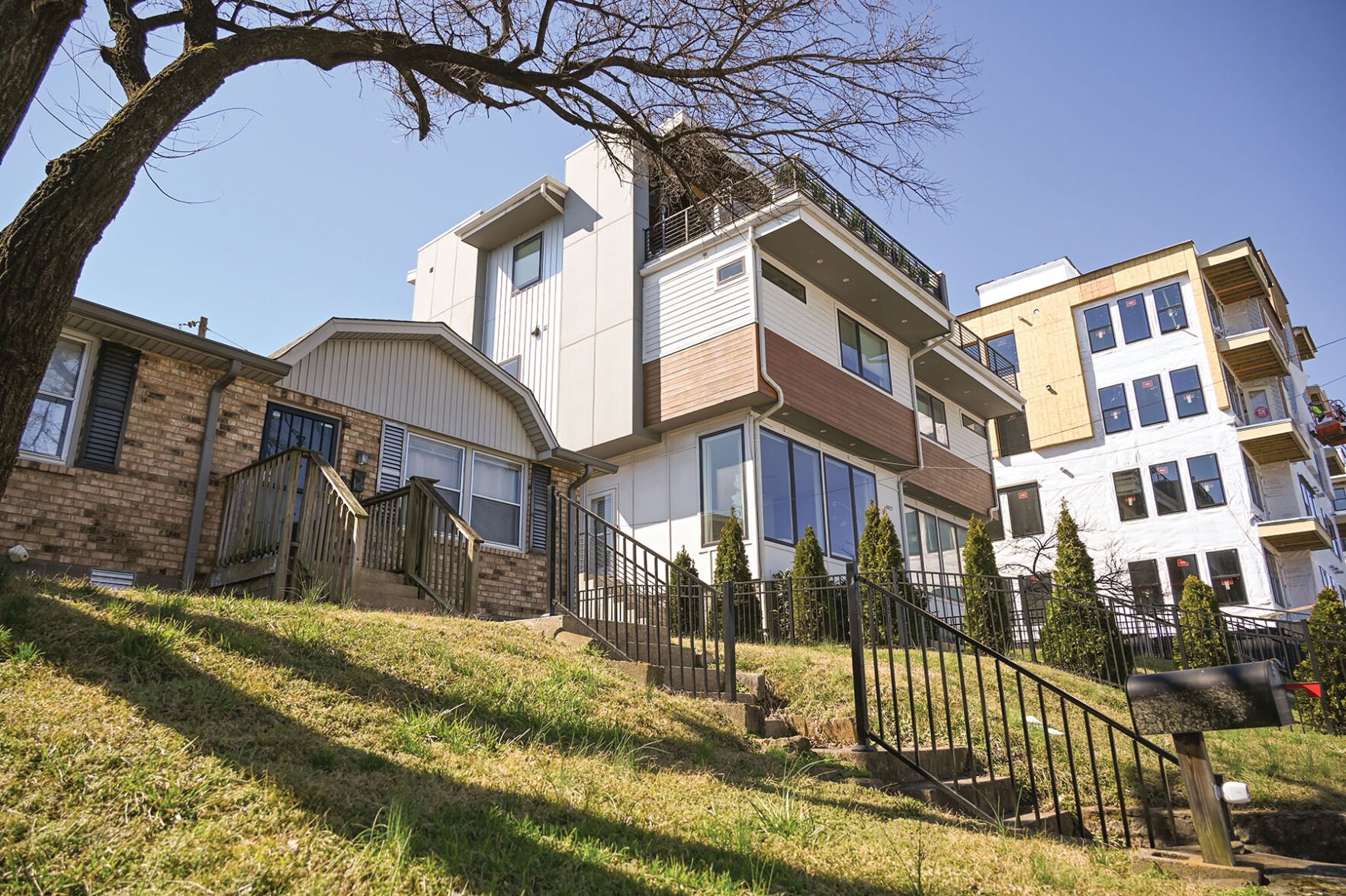

Property assessor Vivian Wilhoite will answer questions and explain Davidson County’s reappraisal process in a series of public briefings around Nashville. The tour follows a familiar four-year cycle that determines reappraisals for every property in Nashville based on inspections, market research and sales data. Taken together, residential and commercial property taxes provide the backbone of the city’s revenue.
The convoluted process of assessing, adjusting and possibly appealing property values determines an owner’s actual property tax bill. For residential owners, these bills worked out to around $800 per $100,000 of assessed value in 2024.
This is where Wilhoite, the Davidson County assessor of property, comes in. Every four years, her office is tasked with updating these property assessments, which form the base of the property tax calculation. Residents have a chance to ask Wilhoite about the process at 10 meetings around the county. Wilhoite started the tour at the Metro Nashville Police Department’s East Precinct on East Trinity Lane on Monday, March 3. Other dates include March 6 in Hermitage, March 12 in Madison and March 18 at MNPD’s West Precinct. A full list can be found via nashville.gov.
“It is our goal for property owners to leave our presentation fully informed about the reappraisal process,” says Wilhoite in a press release. “It is critically important that property owners be well aware of their rights to file an appeal.”
The Metro Council sets the second major variable in the tax equation: the tax rate. This has held steady for the past few years after a dramatic decrease in 2017 under then-Mayor Megan Barry and a bump in 2020 under then-Mayor John Cooper. Metro insiders may remember the ensuing “No Tax 4 Nash” campaign against Cooper and subsequent legal settlement against its cantankerous organizers.

Judge rules that July 27 election cannot proceed
Elected officials must adjust this tax rate if they hope to convert the city’s real estate boom into increased tax revenue. State law requires aggregate property tax revenue to remain neutral — neither rising nor falling — between years unless the city changes its tax rate. This means individual property tax bills are assessed based on their proportion of the property tax total, rising or falling relative to each other rather than their value change year to year. Mansions in Belle Meade, for example, may see property tax decreases after a reappraisal as their relative value is offset by dramatic property value increases in gentrifying areas like Woodbine, Madison or Charlotte Park.
Individual councilmembers tell the Scene they are unaware of plans to increase the tax rate this year, a decision that would pass with this year’s budget in June. The median Nashville home price has increased about 35 percent since the last reappraisal in 2021 according to Zillow data — even a minor tax rate increase would substantially juice city income.
“We evaluate the tax rate each year, so it’s too early to determine,” Councilmember At-Large Delishia Porterfield, chair of the Budget and Finance Committee, tells the Scene.
In late February, Mayor Freddie O’Connell acknowledged that the city was still early in the reappraisal process. He did not discuss a tax rate change. The mayor typically proposes his version of the city budget in late April or early May.
“ Right now we know the assessor’s office has announced a series of community meetings across the city and county — this is standard for them as we are in an appraisal year,” O’Connell recently told media. “ They go out, come back with the data and share it with our Metro Finance Department so we know what our property values are. We combine that with our revenue forecast and understanding of departmental priorities, community priorities, and our priorities to forge a budget around that.”
Commercial real estate is taxed a bit higher than residential property, just as properties in the Urban Services District are taxed higher than those in the General Services District. Certain nonprofits, like private schools and churches, enjoy property tax exemptions. This is a major public subsidy for urban landowners like Vanderbilt University, for example, whose theoretical annual tax bill would cost tens of millions of dollars.



Post a comment as anonymous
Report
Watch this discussion.
(0) comments
Welcome to the discussion.
Log In
Welcome to the discussion.
Keep it clean. Please avoid obscene, vulgar, lewd, racist or otherwise abusive language. Comments featuring hate speech or threatening or violent content will not be tolerated.
PLEASE TURN OFF YOUR CAPS LOCK.
Be truthful. Don't knowingly lie or mislead.
Be proactive. Use the “report” link on any comment that violates our comment policy.
Share with us. We'd love to hear your feedback.