

For all the conversations about the challenges Nashville’s educators face, many are also focused on finding solutions. Sure, there are systemic-level problems that would best be addressed through state or local policy change, but there are also countless opportunities to enhance everyday school experiences for students and educators. Among the most compelling ideas are those introduced by teachers themselves, who know firsthand the joys and difficulties of the classroom.
Two local organizations — The Educators’ Cooperative and the Diverse Learners Cooperative — create environments for teachers to nurture those ideas and support one another so they can better support their students while also fulfilling state professional development requirements. In doing so, the organizations also support teacher longevity in a demanding career with high turnover rates. The Educators’ Cooperative caters to teachers more focused on the general student population. Diverse Learners Cooperative supports those who want to better serve students with diverse learning needs, such as those with disabilities or multilingual learners, though they work with teachers of all educational backgrounds. These organizations work with teachers from public, private and charter schools, creating important connections among educators who, despite different educational settings, share the same goal: educating and inspiring students.
Founded by Greg O’Loughlin, The Educators’ Cooperative is “a mutual aid network for teachers, by teachers.” Though Amy Nystrand now serves as the group’s executive director, O’Loughlin is still involved with the organization. The Educators’ Cooperative provides myriad resources for all teachers, but its members receive the most support — including access to a private online server where they can reach out with questions or issues and receive feedback from others in the network. It also provides antiracist teaching workshops and regular coffee meetups. While members get the most opportunities to engage with the organization, The Educators’ Cooperative shares resources that all teachers can access, such as archived session information. It also hosts “Culture Corner” workshops, where teachers can connect with local artists and discuss ways to foster creativity and connect with art in the classroom. The Educators’ Cooperative’s annual conference also allows educators to present long-term projects and share additional resources with the wider community. Nystrand tells the Scene the organization cares about making educators feel “autonomy in their professional development.”

Diverse Learners Cooperative
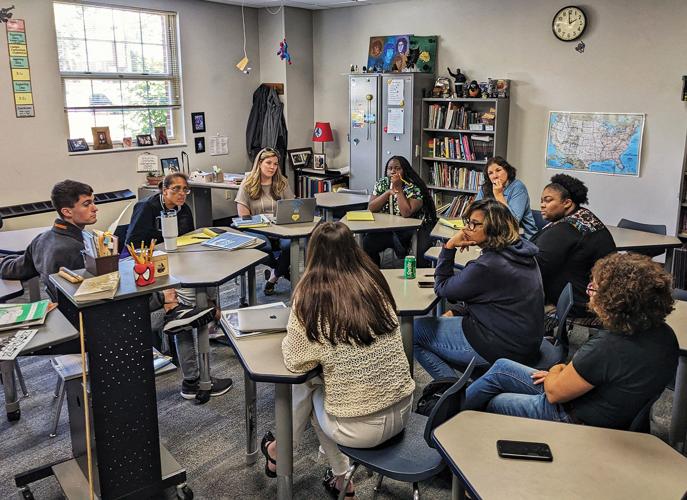
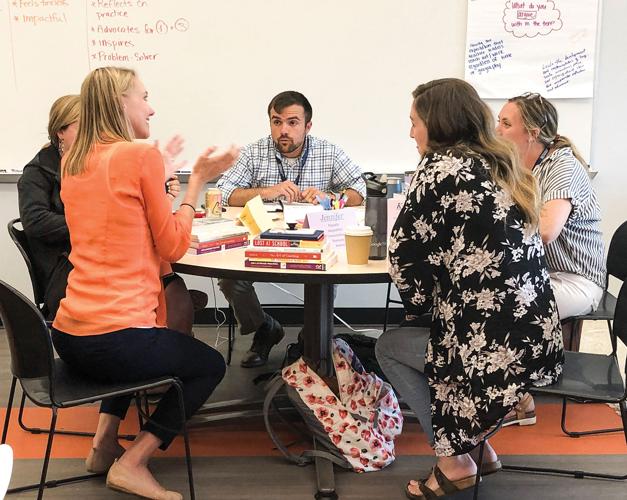
To become a member, teachers have to apply for and complete a summer workshop. This year the organization shepherded its 10th cohort through the summer workshop in June. Twenty-two new members met at University School of Nashville for five days of programming, adding to an internal network of more than 200 teachers. The Scene talked with some of those teachers, who discussed the benefit of seeking professional support outside their own school buildings, among others with different perspectives on similar experiences. They say it gave them the insight to identify solutions to problems, ask for help where they didn’t think they could, and address problems that may have become normalized at one school but not others.
Like The Educators’ Cooperative, the Diverse Learners Cooperative seeks to create a network of educators and empower them with resources and experiences to better serve students. The Diverse Learners Cooperative also provides in-school support and is partnering with the Nashville Teacher Residency to help educators get their special education certification. Its yearlong fellowship program recently kicked off its fifth cohort, which includes a three-day summer session, mentorship and coaching led by former teachers and more. Throughout the year, fellows also develop a project meant to address a specific issue, which they’ll present at an annual exposition so other school leaders can learn about different solutions-oriented approaches around the district.

MNPS currently has roughly 170 open teacher positions
Diverse Learners Cooperative executive director Brooke Allen explains to the Scene that one such project came from a teacher who noticed paraprofessionals were feeling under-equipped in their work supporting teachers and students with disabilities. The teacher decided to coordinate small, 15-minute training sessions around specific topics before school. Those trainings were so helpful that, upon request from the paraprofessionals, they expanded into weekly hourlong sessions. Not only did the paraprofessionals feel more equipped to work with students — they all returned to their jobs the next school year, which Allen says is rare, and the principal allocated money in the next year’s budget to continue the trainings.
Amid all the resources that The Educators’ Cooperative and the Diverse Learners Cooperatives produce, perhaps the most valuable asset they facilitate is community. In a profession that can feel isolating, connecting with people who understand its challenges and empower one another to find solutions — or simply just listen — creates a huge impact that can’t be achieved through top-down-style professional development lectures.
“To be able to connect with other people who are also developing unique resources and solutions, it just makes that job so much easier,” says Allen.



Post a comment as anonymous
Report
Watch this discussion.
(0) comments
Welcome to the discussion.
Log In
Welcome to the discussion.
Keep it clean. Please avoid obscene, vulgar, lewd, racist or otherwise abusive language. Comments featuring hate speech or threatening or violent content will not be tolerated.
PLEASE TURN OFF YOUR CAPS LOCK.
Be truthful. Don't knowingly lie or mislead.
Be proactive. Use the “report” link on any comment that violates our comment policy.
Share with us. We'd love to hear your feedback.