

Researchers at Vanderbilt University Medical Center had been working on antibody treatments for measles for more than a year when measles outbreaks began popping up in the United States.
“We’ve been working on measles for two years,” says Dr. James E. Crowe, director of the Vanderbilt Vaccine Center. “In the middle of that, there’s been a lot of vaccine hesitancy, and all of a sudden we have thousands of people being infected.”
Measles is one of 100 viruses that the team at VUMC is systematically making antibodies for by using single-cell sequencing — that is, isolating the cells that react well in fighting an infectious disease. It’s hard to predict when the next outbreak of an infectious disease will be, so they sought to get ahead of it.
“It confirms what we said,” says Crowe. “Any of these 100 could happen even if there’s a vaccine that works perfectly well, because if people don’t take that vaccine, you can have an outbreak, and that’s what’s happening.”

Trump’s HHS secretary endures heckles in address to split crowd — meanwhile, Metro Nashville brings a lawsuit against Kennedy and HHS
Once completed, antibody treatments could be used for people who aren’t vaccinated ahead of exposure, which could also be useful for those who cannot be vaccinated, like chemotherapy patients. They can also, at times, be used as a drug. The earlier someone is given antibody treatment, the better it works, Crowe says.
As of July 15, the Centers for Disease Control and Prevention confirmed 1,309 measles cases in the country so far this year, making it the highest single-year total since the U.S. declared measles eliminated in 2000 — and that’s with more than five months left in the year. Texas has seen the largest outbreak, with more than 700 cases. There have been three confirmed deaths in the U.S. this year.
In the context of the nation, Tennessee has remained relatively unscathed. The Tennessee Department of Health reports just six cases since the start of the year, none of them in Davidson County. All of the cases were in people who were not vaccinated, most of them were children between ages 5 and 17, and none of them were hospitalized.
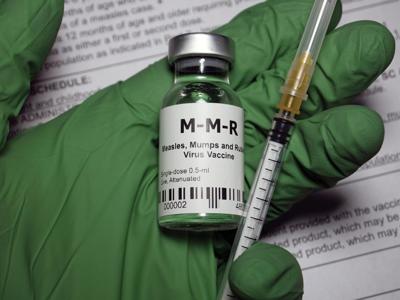
The MMR (measles, mumps, rubella) vaccine comes in two doses: one at 12 months old and one between ages 4 to 6. The two provide lifelong protection.
But Tennessee has seen kindergarten vaccine rates — including the MMR vaccine — plummet in the past decade. The Tennessee Department of Health measures by a threshold of 95 percent vaccination, which ensures protection of the entire population, including those who are unable to be vaccinated because of their age or other health conditions. In the 2023-24 school year, the state saw the immunization coverage rate for children enrolled in kindergarten in Tennessee decline 0.5 percent, which correlates with an increase of religious exemptions, according to a report from the Tennessee Department of Health. In Davidson County, 91.3 percent of students were fully immunized, with 42 of the county’s 121 schools reaching the 95 percent threshold.
Sickness can be especially serious in children, and more acute in those who are younger than 5 years old, says Dr. Joanna Shaw-KaiKai, interim chief medical officer at the Metro Health Department. When she talks to people who have vaccine hesitancy, she emphasizes the risk of complications, especially in very young people.
“It can go throughout the entire body and cause a systemic problem — so it can affect just about any organ in the body, including the central nervous system,” Shaw-KaiKai tells the Scene. “Unfortunately, you’ve heard of the deaths that occurred from complications of measles, and we definitely don’t want that to happen to anybody or any family when there’s preventive measure that’s highly effective and quite safe.”



