
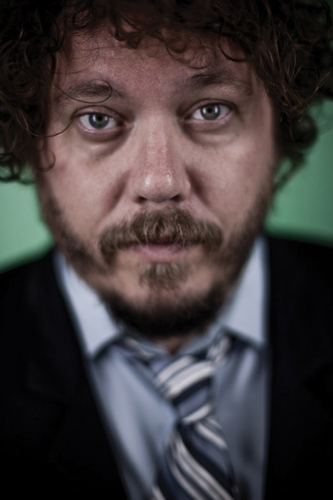

Recently, in a darkened room, against a backdrop of reclaimed wood — as people sported their finest plaid and sipped the craftiest of beers — Bobby Bare Jr. was unleashing an unruly set of rock 'n' roll. The audience, many of whom were in attendance more because this was the place to be rather than who was on the bill, were split between slack-jawed amazement and pogo-ing excitement. As Bare's backing band — Matt "Mr. Jimmy" Rowland and Doni Schroader on this trek — worked it out and ripped it up, you could hear new initiates scream over the music. "Holy shit, these guys can play!" "This song is great!" "I need to buy this album!" There was an excited, innocent giddiness to the crowd, as if they pulled the curtain back and discovered that The Wizard was taking bong rips and listening to Surfer Rosa. Somebody in the back screamed, "Roll Tide!"
This show was not in Nashville. Nowhere near it, in fact.
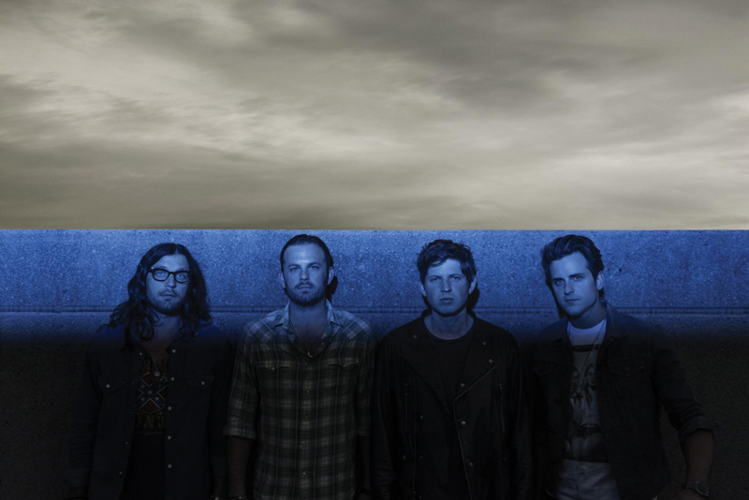
In 2014, I — a former Nashvillian who recently moved back to my native Massachusetts — had the very bizarre, very fortuitous opportunity to see a lot of Nashville bands in a place that wasn't Nashville. Boston, specifically. The two cities are as different in temperament and layout as two cities can be, their histories and self-mythologies as divergent as possible. They are both wonderful places, but they're very different places to make and consume music. The braggadocious claims and chest-puffing that go on when Music City talks about its own talent, it would seem, are warranted. Seeing Nashvillian bands — even ones that don't travel in the same circles — is to witness people who genuinely know how to perform. Even Kings of Leon are better at standing there than performers from most other cities on the planet. People show up looking for the "Diarrhea Planet at The End" vibe they saw in pictures, and damned if they don't get it from most Music City outfits, whether they are in a college dive bar or the new 700-cap hipster listening room.
I've witnessed enough Ivy Leaguers Instagramming shots with MTSU alumni to know that people up here think everyone from Nashville is a bona fide, fell-from-the-heavens rock star. It is the weirdest damn thing. It is also a powerful reminder to the cynics among us that music can, y'know, mean something to somebody. People don't want, or at least don't need, to see how the sausage is made when it comes to music. The politics of criticism, the treachery of navigating an industry dying under the bloat of its engorged publicity budget, the 24-hour cycle of the modern music industry — it all means jack shit when you get to witness your college buddies sign autographs in a 75-person room.
To witness something like, say, a nearly sell-out crowd bouncing to Wild Cub's "Thunderclatter" as if they're practicing for a car commercial, that is a beautiful thing. To see The Black Keys — whom I had seen at the roughly 300-capacity classic Cambridge hole-in-the-wall T.T. the Bear's back when they were touring in support of Thickfreakness — lay waste to the 17,000-seat TD Garden was amazing, even if Thickfreakness was the last Keys record I really enjoyed. Hell, Cage the Elephant — a band I'd been openly derisive toward since, oh, the mid-Aughts — was hugely impressive in front of a crowd that was ready to freak out because they'd been wearing hats with buckles and uncomfortable shoes all day. When New England decides to loosen its corset, things are bound to get unruly.
Speaking of unruly, holy fuck, the Luke Bryan/Dierks Bentley concert at Gillette Stadium was a shitshow of man-scaping, Straw-Ber-Rita-drunken lunacy. I truly believe that contemporary country is the last true Sodom and Gomorrah left in American music — the sort of culture that would make the firebrand preachers that founded the Massachusetts Bay Colony roll in their smallpox-infested graves. I have seen and been a part of some inebriated crowds in my day (Bonna-ROOOO!), but never have I been amid 70,000 people so intent on blacking out before the opener takes the stage. Take all of the worst tropes about New Englanders and booze — think Quint from Jaws — and multiply it by an #UpForWhatever-branded ethos of bro-country, and you have a nihilist exercise in overconsumption, complete with polo shirts and pleated shorts. It was creepy and terrifying, but totally worth it. It was the first time in years that I'd been at a show and felt like my life might actually be in danger. It was totally invigorating. Plus, "Drunk on a Plane" is my jam. I shit you not.
But it wasn't all about seeing the biggest names in the biggest rooms. In fact, the best parts of my year in showgoing were the intimate crowds — like elbow-to-elbow, ass-cheek-to-ass-cheek intimate: watching everyone crack up over Cory Branan's ad libs and stare slack-jawed as he shredded on his guitar. It was about watching the hardened, harrumphing heavy metal dudes uncross their arms and get awestruck by the ferocity of husband-and-wife duo Forest of Tygers. It was about hanging out and seeing other Nashville ex-pats, folks who had left Music City but hadn't left behind music. It was about seeing with new eyes bands I had taken for granted, hearing them with new ears.
Frankly, by the time I moved out of Nashville, I was sick of music, burnt out by the fact that there was a band lurking at the back of every room and an army of demo-clutching strangers around every corner. I was spoiled, and I was over it. I hated music for a minute there, and it felt fucking awful. The opportunity arose to bolt, so I bolted. And things got worse before they got better — by worse I mean nothing but free jazz and feedback loops for the month of May. But the constant stream of Nashville bands rolling through Boston kept me going out, kept me from taking the gig at the Overlook Hotel. Moments like Andrew Combs silencing a drunken crowd with his songs, or Nashville musician/tour manager Brandon Jazz bossing around emo legends Mineral — those are reminders that hard work and insane optimism can make things happen, that music can be more than the carcass in the capitalist meat grinder.
I don't go to shows as often as I used to — three or four a month, down from four or five a week at one point — but when I do get out, it's great. I pay for my tickets and buy some merch, avoid publicists, promoters and members of the marketing team. I show up early and stay late. I soak it all in. I get to be a music fan with no strings attached, and it is magical. It's made my music writing better, separating myself from the diseased teat of the industry. It has made my life a bit more exciting. So just remember: The next time you're ordering a drink or out on the porch smoking, shouting over the band you've seen 6 billion times in the past six months, you, Mr. or Ms. Music City, are actually witnessing something wonderful. Not every city gives its musicians the opportunity to develop as thoroughly and intuitively as Music City does. Be thankful for what you've got.
And drop me a line if you're headed toward Boston.
Email Music@nashvillescene.com


Post a comment as anonymous
Report
Watch this discussion.
(0) comments
Welcome to the discussion.
Log In
Welcome to the discussion.
Keep it clean. Please avoid obscene, vulgar, lewd, racist or otherwise abusive language. Comments featuring hate speech or threatening or violent content will not be tolerated.
PLEASE TURN OFF YOUR CAPS LOCK.
Be truthful. Don't knowingly lie or mislead.
Be proactive. Use the “report” link on any comment that violates our comment policy.
Share with us. We'd love to hear your feedback.