
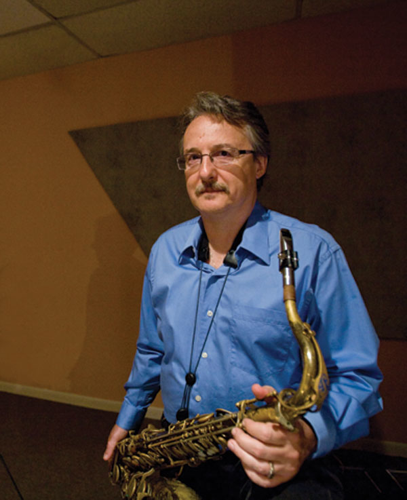

Last October, Nashville's music community was dealt a shocking blow when beloved saxophonist Dennis Taylor, on tour with the Delbert McClinton Band, died of a heart attack in Greenville, Texas, Taylor was an understated virtuoso whose brilliance and versatility was celebrated not just in the jazz/blues world, but throughout the universe of top musicians. The loss was staggering.
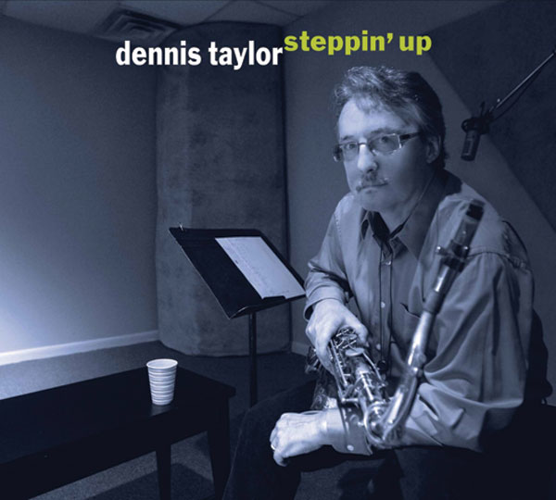
A superb technician and equally knowledgeable music historian, Taylor loved hard bop and the blues, but was equally enthusiastic about R&B, zydeco and rock. Prior to working with McClinton, he had played with a host of greats, including Gatemouth Brown, Duke Robillard, Shelby Lynne, and Mike Farris and The Roseland Rhythm Band. But Taylor's longtime dream was to make a solo record that fully reflect the wealth of influences and styles he seamlessly incorporated into his own music. Teaming with longtime friend and colleague Kevin McKendree — who's also featured on Hammond B-3 organ — Taylor was able to accomplish that goal before his untimely death. Steppin' Up is a truly outstanding document (inspired by a similar Hank Crawford/Jimmy McGriff project) and will be celebrated Sunday night with a listening party at the Bluebird Cafe.
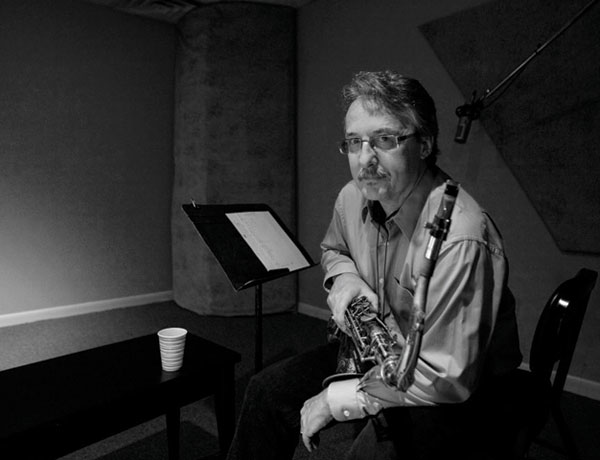
"Dennis had talked about doing an organ trio album for years, but it wasn't until he started working with Kevin in Delbert's band that it all fell into place," says Taylor's widow, Karen Leipziger, a singer, songwriter and veteran publicist who was the executive producer on the record. "He finished recording two weeks prior to his sudden and untimely passing. Half the tunes had been mixed. He and I had picked out the photos he wanted for the album cover." Attention to detail was crucial.
"He wanted this to look like a modern Blue Note album," Leipziger says. "We went over the sequencing of the album the week he left on his final road trip. He was very proud of the disc. He had poured his heart and soul into it. There was nothing he wanted to change or that he felt could be improved upon. After he died, Kevin and I took over."
Steppin' Up also reflects how thoroughly Taylor — who'd written books on saxophone technique and was a highly regarded instructor at W.O. Smith school, among many other places — absorbed and utilized hooks, licks and devices from multiple genres. The opening cut, "Lee's Lick," plays homage to famed Fats Domino and Crescent City tenor stylist Lee Allen, offering the thick, gritty tone and bouncing bottom that's powered countless New Orleans hits. Taylor and McKendree's energetic, jubilant playing on this and the 13 other tunes is backed by a core of drummers, Kenneth Blevins, Chester Thompson and Lynn Williams, who alternate depending on the setting and mood. The song menu is also mixed, with six Taylor originals and covers spanning the array of idioms he enjoyed and carefully studied.
A rousing version of Isaac Hayes' "Cafe Regio's," minus the layered strings, and a bright, vibrant rendition of the Dave Bartholomew/Fats' Domino tune "Josephine" are showcases for the R&B end of Taylor's personality. He demonstrates melodic creativity on Percy Mayfield's "The River's Invitation," and neatly injects individuality with spirited twists, turnbacks and explorations during strong treatments of other well-known numbers. Delbert McClinton's dashing vocal adds unexpected punch to Buddy Johnson's "Since I Fell for You," while Taylor's solo forays on Ray Charles' "Hallelujah I Love Her So" prove as potent as anything either Crawford or Fathead Newman provided to any of the Charles combo versions. Perhaps the most daring reconfiguration is the Lennon/McCartney number "And I Love Her," which gets a fresh shot of soul. He's also fiery and explosive on Leroy Johnson's "Lady Day."
Still, Taylor's compositions are the most intriguing, for they unveil his stylistic birthright. The title track, "Special K" and "Here's the Deal" are quick hitters — tunes where his rich, animated sound is wonderfully framed against bluesy backdrops. "The Gospel Truth" and "Back at the Teddy Bear Lounge" take different paths; the former features mellow, resounding solos and a spiritual resonance, while the latter recalls prime mid-'60s soul jazz at its finest, with McKendree laying down funky chords and bass lines and Taylor soaring atop them.
"A lot of times when people do albums, afterwards they hear them and say I wish I could have done this or that," Leipziger says. "But there was none of that with this project. Everyone was on the same page from the very beginning, and when it was finished, it was exactly what Dennis hoped it would be. As sad as it is, if he hadn't had the chance to complete this recording, it would have been that much sadder. Dennis was living his dream. How many people get to do that?"
Email music@nashvillescene.com.



