
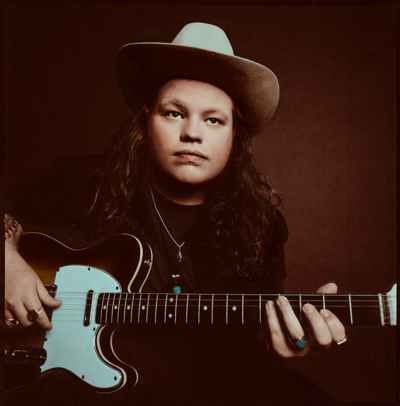

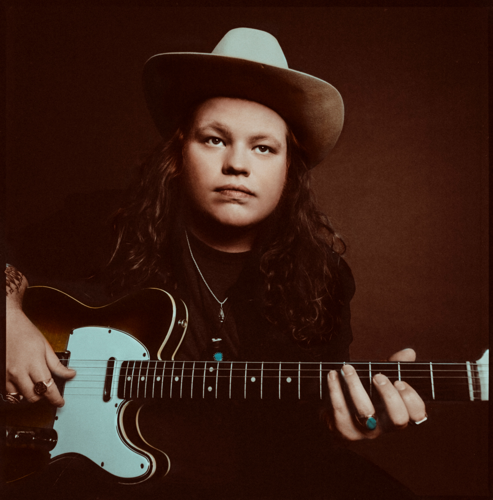
South Carolina-raised, Nashville-residing axman Marcus King’s rise from obscurity to electric-blues leading light has been meteoric. The 24-year-old’s three LPs with The Marcus King Band, which include 2018’s Dave Cobb-produced Carolina Confessions, made him a favorite in jam-band-listening, festival-going, guitar-magazine-reading circles. King’s 2020 solo album El Dorado introduced a more contemplative side of the third-generation musician from Greenville, S.C.
Cowritten and produced by The Black Keys’ Dan Auerbach, the 12-song collection features the guitars turned down and the vocals up, with King’s velvety croon a connective thread for material that runs the gamut from string-laden soul (“One Day She’s There”) to rollicking outlaw country (“Too Much Whiskey”), Keys-style arena rock (“Say You Will”) and open-hearted singer-songwriter fare (“Sweet Mariona,” “Beautiful Stranger”). Like the long-bodied Cadillac it’s named for, El Dorado is stylish, roomy and grand. Though the events of 2020 robbed it of a proper album cycle, El Dorado did score the Palmetto State native son his first Grammy nom in the Best Americana Album category. The Scene spoke to King just before Christmas about how he spent his year and what’s on deck for the year to come.
With touring off the table, how did you keep yourself busy in 2020?
This year was a bear. It was a lot to handle. But it was also a nice reset, a reminder of what we love so much about music. I spent a lot of time writing and tracking demos, working on multiple projects. One will be my first time in the producer’s chair. Some more solo attempts in the works, more band material. … Be on the lookout.
Tell me about your working dynamic with Dan Auerbach.
We quickly hit it off both as buddies and as producer and artist. I like the way he approaches the day in the studio. Start early, break at suppertime, go back until 9:00, then call it a day. It’s a long day in the studio, but the process yields great results because you get an honest day’s work in. He’s efficient.
Were the Keys a band you grew up listening to?
I was always into older stuff — Memphis recordings and all the Motown I could get my hands on — but I was aware of them, and liked what I’d heard. Watching the MTV Music Awards with my family, seeing The Black Keys bring loud rock ’n’ roll music back to that platform — that gave me a lot of admiration and respect for them.
How did Auerbach’s approach contrast with Cobb’s?
They both have their own Zen-like ways, sorcery they use to get their studio magic. The most notable difference was that Dave likes to get started after lunch. [laughs]
There are some notable landmarks pictured on the back cover of El Dorado — the Batman building, the Ryman. How does Nashville influence your work?
When I come off the road after giving everything I have to give, energy and serotonin levels low and needing replenishment, Nashville is a great place to come home to and plug back in. Before that plane even lands or that bus hits the city limit, you can feel that energy. This town is always buzzing. It’s also just a drive away from home — that’s comforting to me. I’m comfortable here. And they still have sweet tea, so. [laughs]
What are some life lessons you’ve learned getting your start in the music-biz so early?
When I was a kid, I had to have a certain assertiveness about myself. I have a lot of faith in humanity, but there are people who will take advantage if they see an opportunity presented. That’s not pessimism — it’s just being realistic. Me, I just wanted to be taken seriously as a musician and bandleader. I didn’t want to be seen as just this kid causing trouble, making a ruckus. I was out there to try and make a living. I wanted to be an artist. That was always my journey.
Did being a bandleader come naturally or was it trial-by-fire?
I was lucky to have my dad [Marvin King] to study under. He was a great bandleader, and my grandfather [William King] as well. They knew the importance of dressing the part, playing the part, and just being a good frontman. Being a real student of stand-up comedians, I always admired the way they could handle a crowd. It’s a delicate practice to be able to perform, an ongoing battle.
Who are some stand-ups you like?
I have a deep bench of stand-ups I like. [laughs] The cats my father was into — Cheech and Chong, Robert Klein, Richard Pryor. Then, closer to my generation, Dave Chappelle, Tom Segura who’s a good buddy of mine, Bert Kreischer, Christina Pazsitsky. Older comedians — Sam Kinison, the original rock ’n’ roll star of comedy, and Bill Hicks.
I read that your grandfather played with Charley Pride, who just passed away.
Yeah, he was very proud of that. Charley came to play for the Air Force over at Ramstein Air Base back in the ’60s. It was my grandfather’s duty at the time to plan those types of events, so his band would back up the artist if they came over solo. Charley Pride came over, and they backed him up.
Once you get the green light again to play shows, are you going to resume the album cycle for El Dorado or are you thinking ahead to the next thing?
We’re happy with the reception El Dorado got, and we enjoy playing that material. It’ll stay in the repertoire. But we’re looking forward to a fresh start in 2021 and onward.



Post a comment as anonymous
Report
Watch this discussion.
(0) comments
Welcome to the discussion.
Log In
Welcome to the discussion.
Keep it clean. Please avoid obscene, vulgar, lewd, racist or otherwise abusive language. Comments featuring hate speech or threatening or violent content will not be tolerated.
PLEASE TURN OFF YOUR CAPS LOCK.
Be truthful. Don't knowingly lie or mislead.
Be proactive. Use the “report” link on any comment that violates our comment policy.
Share with us. We'd love to hear your feedback.