
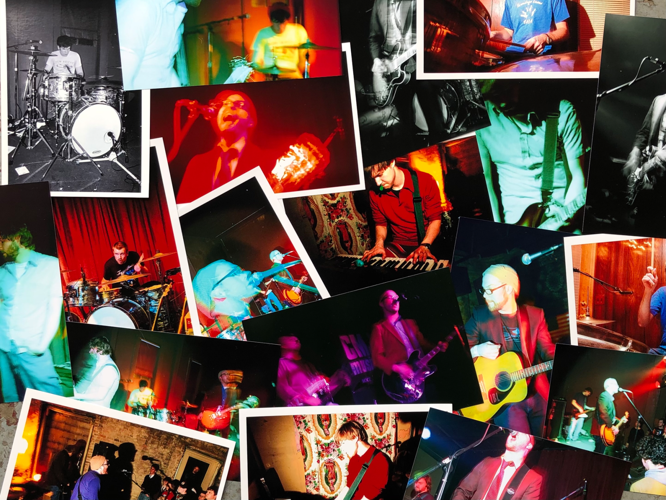
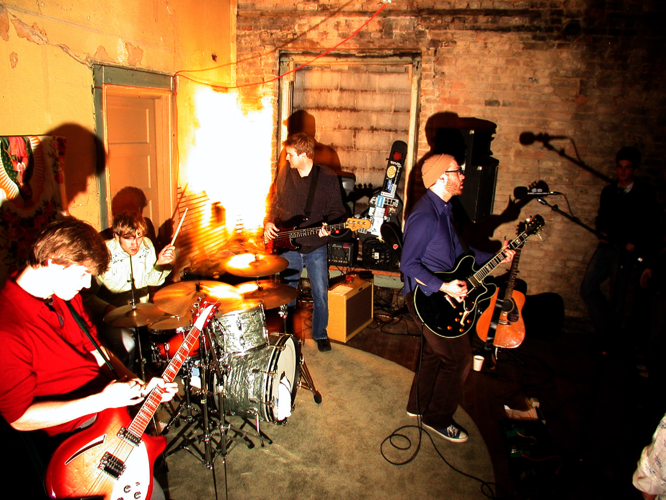


In the early 2000s, when Lower Broadway was still in transition to the tourist-heavy district it is today, the 2200 block of Elliston Place — the Rock Block, as it’s long been known colloquially, or simply “Elliston” — was shorthand for rock and punk concerts. Thoughtful and energetic Nashville and Murfreesboro indie outfits like The Privates, Slack, Forget Cassettes and Imaginary Baseball League were Elliston regulars, a primary span of the bridge in local-music lore between the Spongebath Records scene of the ’90s and the Infinity Cat crew of the 2010s.
Between the venerable mid-sized Exit/In and somewhat smaller and divier The End (called Elliston Square before that), Elliston has changed the lives of music lovers in Nashville for decades. The possibility of the Rock Block disappearing “just doesn't sit right” with Imaginary Baseball League singer-songwriter-guitarist Aaron Robinson, as he tells the Scene. In Robinson's twenties, nights out on the Rock Block mirrored the scene of a generation prior: They’d begin with an Obie's pizza slice for sustenance, followed by a show at Exit/In or The End, and end with a hang at much-missed bar The Gold Rush.
Through the valiant efforts of Exit/In owner and local-music advocate Chris Cobb and the community behind him, the rest of the Rock Block has so far evaded redevelopment, or at least ensured that area business owners have a voice in how changes might happen. Recent news about the Exit/In property going up for sale put the area back in the crosshairs — though there is some hope that Chris Cobb and wife Telisha Cobb will be able to eventually own the building.
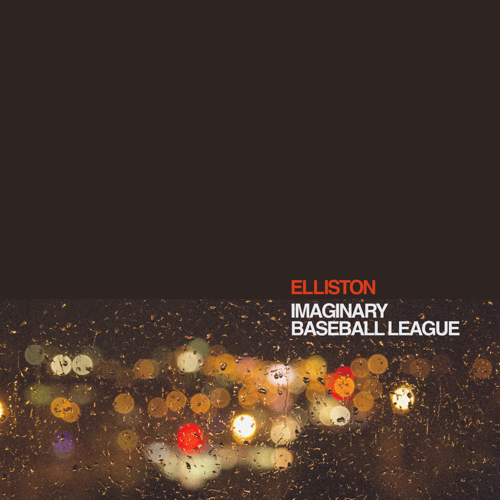
During its run from 2001-2005, Imaginary Baseball League released two EPs and a full-length. The news of Exit/In going up for sale a month ago coincided with IBL guitarist-keyboardist Keith Childrey remixing the group's never-released second LP The Inevitable Parting. Childrey engineered the album, which contains a musical love letter to the Rock Block, titled, naturally, “Elliston.”
Robinson and his bandmates have individual tastes and personalities that complemented each other well. Childrey was the resident audiophile and Radiohead fanboy, and bassist Ben Evans was the indie kid — “Pavement was about the most mainstream thing he listened to,” Robinson says with a laugh — while drummer Ryan Rayborn leaned toward “spacey, ambient stuff.”
Then there's Robinson's lovely, tuneful tenor — the kind of voice you'd happily listen to sing the phone book — which he currently utilizes in the also-great Pale Houses and moonlighting as Counting Crows' Adam Duritz (among other sensitive grunge-era bros) in the all-star ’90s cover act My So-Called Band. Revisiting the shelved IBL material with the benefit of time and perspective has been a pleasant surprise for all four members, Robinson says. There is talk of a physical release of the 11-song Inevitable Parting and possibly even a second comeback show. They last played The 5 Spot in 2008.
Today, the Scene is very pleased to premiere “Elliston.” The tune is textbook IBL — dynamic and intense, but with a pretty side — personifying the street as a loyal comrade who can be counted on to come through when you need it most. “Drag me to Elliston / Fill me with sound,” Robinson pleads on the first chorus. Later in the song, the frontman vows to do the same for a struggling friend, presumably a fellow musician: “I'm gonna take you out / Take you out to the crowd,” he sings. “Show me your genius hands / They make me proud.”
Stream the track and read my Q&A with Robinson below. The Inevitable Parting is set to be released this year (digitally, at least) on a date TBA. Meanwhile, you can visit the Save the Rock Block site to keep up with the organization’s activities, the Music Venue Alliance Nashville site to support local independent venues and the National Independent Venue Alliance site to support independent venues across the country.
So, how did this happen?
Keith surprised us by remixing The Inevitable Parting. He has a studio in his backyard, but mostly for personal use. He's a shy, private person who likes to work on projects that are near and dear to him. After Imaginary Baseball League had broken up, we put rough mixes from that recording session up on our website, and I think Keith always hated that. He felt like we never finished it, and wanted to set these songs right. They're still as they were, in essence — just a little evolved through layering in post-production.
Where was it recorded originally?
Ryan's dad had been in the process of moving out of his place — this big, empty, giant house way up beyond Hendersonville, out in the sticks. We went there, set up and spent a couple weeks working, rented some mics and did it all ourselves. It was fun. As an album, it always felt disjointed to us, but now, with Keith showing up with these mixes, it feels surprisingly cohesive for being 16 years old.
How come IBL split up?
Looking back, I'm not sure what broke us. Internally it was hard to grasp. It felt like momentum had stopped, but had it? Or had we just lost the chemistry we'd had, the momentum within ourselves, let the opportunities we'd been given pass us by? There was a minute there where it felt like it was going to happen for us. We were contacted by Atlantic Records, courted for production and management deals, but never said yes to anything. We struggled with holding onto our indie cred. There was a concern that if we went with the wrong person they would try and make our music too slick, and we would've signed the deal and been stuck. The reality of our situation was that we were a pop band and didn't know it.
Did you have friends who went that direction and got burned?
Not really. It was a weird time in Nashville. Every band was in limbo. We were building an indie scene out of what felt like nothing. Suddenly we looked up and us and a few other bands were the scene, and that brought some attention. We had good local buzz, good local shows, good tours — like, “We sold 43 CDs at that show? How'd that happen?” Our record-release show for the IBL LP Revive in 2004 drew 400 or 500 people. People remember that album fondly — I still get messages about it from time to time.
Why do you think that is?
We weren't the coolest band in the world, but we were greater than the sum of our parts. The reason it worked — and why the songs, at times, were kind of transcendent — was the tension. Stylistically, we never gave in to any one thing. Songs just happened as they happened. I'm actually a lot more self-conscious about that stuff now.
Yeah, I think about that a lot, how knowing too much can hurt you creatively.
Back then I played a $500 guitar through a $500 amp I'd had my entire adult life. It was all about getting together to rehearse twice a week, write good songs, and see where that took us. Now I've got all sorts of cool amps and guitars, but what's elusive is that feeling of songs just bursting out of you.
What inspired “Elliston”?
It was meant to capture what it's like to have everything feel like it's slipping away from you. … Somebody needs to drag you out of your house, take you to where the shit is happening and remind you that you're part of it … what you came here for, what your dreams are … and that place is absolutely the center of all that. Putting it out as a single right now — it felt like a good time to remind people how important that place is, how much time we spent there, and how much fun we had there. Those venues are home. To lose them would be a bridge too far.



Post a comment as anonymous
Report
Watch this discussion.
(0) comments
Welcome to the discussion.
Log In
Welcome to the discussion.
Keep it clean. Please avoid obscene, vulgar, lewd, racist or otherwise abusive language. Comments featuring hate speech or threatening or violent content will not be tolerated.
PLEASE TURN OFF YOUR CAPS LOCK.
Be truthful. Don't knowingly lie or mislead.
Be proactive. Use the “report” link on any comment that violates our comment policy.
Share with us. We'd love to hear your feedback.