
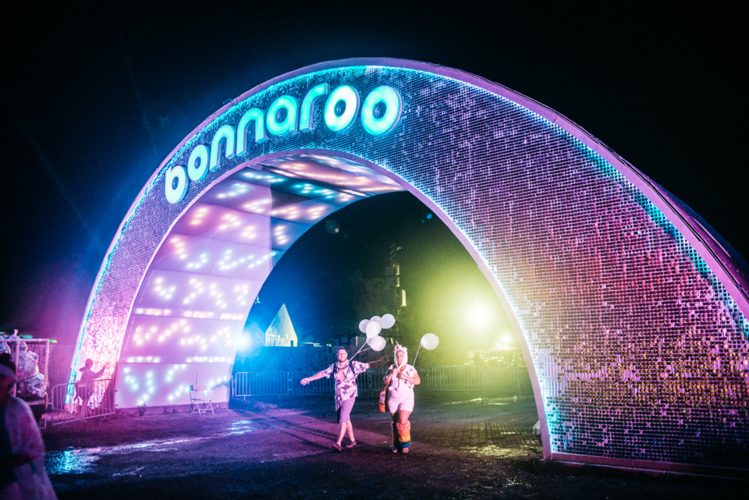

At Bonnaroo 2017
As the shutdown of businesses and public spaces across the U.S. in response to COVID-19 continued throughout the spring, major music festivals moved from postponing 2020 events until the fall to canceling them outright. Organizers of Bonnaroo held out longer than most, but finally canceled the rescheduled 2020 festival in late June, following record reports of new coronavirus cases that have been broken multiple times since. Ticketholders have the option to request a refund or hold their tickets for Bonnaroo's 20th anniversary celebration, planned for June 2021. But residents and local government officials in Manchester, Tenn., which has hosted the festival since its debut in 2002, are left with serious concerns about coping with the economic impact of a year without Bonnaroo amid the pandemic.
Manchester Mayor Lonnie Norman tells the Scene that Bonnaroo is part of the city’s identity, and that the festival has been great for the community. He's looking forward to its return under safer conditions next year.
“I know the decisions to cancel the festival were not taken lightly, and our community will be impacted,” says Norman in a statement. “My first priority is the health of the community and the stability of our economy.”

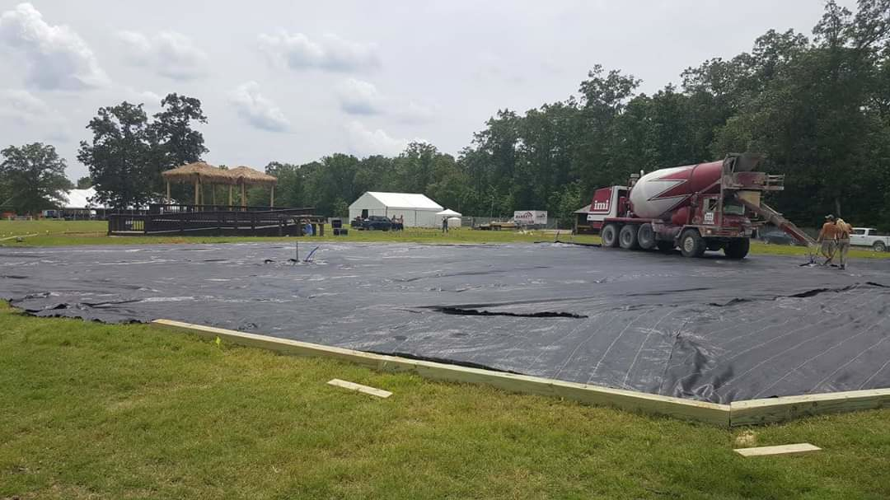
Oasis under construction by Premier Lawn Care
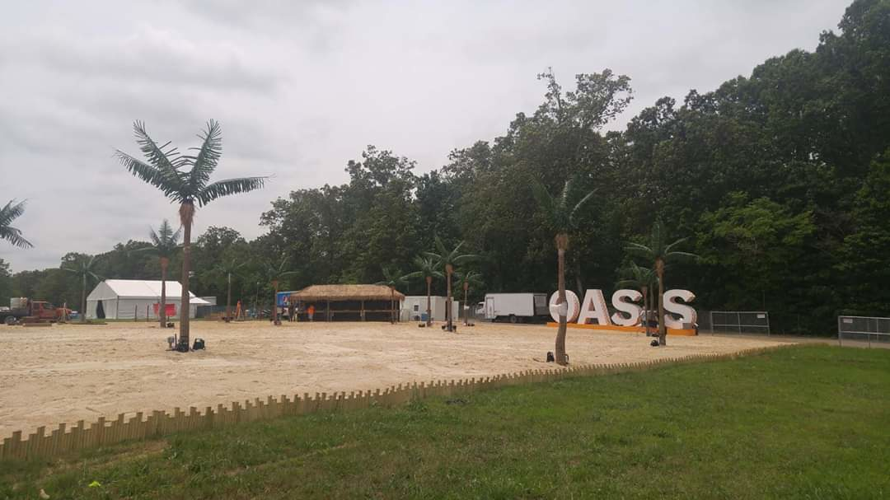
Coffee County Mayor Gary Cordell’s office says in a statement that the county government was expecting to collect some $800,000 in revenue that now won't be coming in. Local businesses expect to suffer as well. Brandon Imhoff, owner of Premier Lawn Care, says his company installs and maintains the Oasis, a sandy beach-themed area of Bonnaroo's Centeroo where fans can hang out between shows. Though the loss of that job isn't catastrophic, he still expects revenues to be down by $15,000-$25,000 this year. But the lack of traffic from festivalgoers means that other area businesses don't need his parking lot sweeping services. Most of them, he says, will take a sizable hit in 2020.

Oasis under construction by Premier Lawn Care
“I have been lucky enough to have an influx of jobs to compensate for that loss,” says Imhoff. “But unfortunately, many companies have not been that lucky, and undoubtedly, many will never overcome. I feel we will see a lot of small mom-and-pop stores close down.”
The impact reaches well beyond Coffee County. Multiple other businesses have confirmed financial losses to the Scene, from an East Nashville AirBnB that caters to musicians that has seen dozens of cancellations due to a nonexistent festival season, to Channel Z, an alt-rock internet radio station based in Knoxville. The station is a small operation with relatively low overhead, and general manager and program director Kevin Summitt says he expects it to survive the pandemic. But no festivals means no opportunities for sponsored ticket giveaways and sponsored broadcasts of backstage interviews. And that means the station has already lost thousands in potential revenue as well as one of its strongest methods for bringing in new listeners.
“Larger terrestrial stations that have similar plans on much larger budgets will be hurting,” Summitt says.
The theme of the COVID-19 pandemic seems to be adapting to survive as economies, industries and individual businesses have been disrupted. What remains to be seen is which of those changes will be temporary and which will be permanent.



