
*Editor’s note: While the COVID-19 pandemic continues, we’re taking a look back at records that help tell the story of the evolving music scene in Music City, one decade at a time. It’s an occasional series that we call Through Lines.
By now, Nashville’s local music scene of the 1980s has fairly been well-documented — in the pages of this very publication and on the website Nashville80sRock.net, to name just two outlets. If you were around back then and you are still here now, persevering in New Nashville, it’s hard not to feel pangs of nostalgia for a simpler time, even if this city was not all great back then. Far from it.
And yet there’s something particularly poignant about revisiting those days right now. Maybe it’s the state of partial shutdown that we find ourselves in (assuming you’re not on Lower Broad). But every so often, I experience moments of openness and eerie quiet that bring back echoes of that now largely vanished Nashville, a place that wasn’t so busy and so full of itself. I remember long-demolished buildings, funky businesses like Goody’s Warehouse and Roxy that used to line a sleepy Second Avenue, and the swarm of kids who’d descend on Elliston Place every Friday night to hang out in front of Mosko’s, a deli and magazine shop that was unlike any other place in town.
Nashville felt a lot more local back then. Maybe it felt too local — provincial even. But if I pick through the best of the music that came out during that time, a singular and striking portrait emerges. What follows are five of my favorite local recordings from this era, though I need to acknowledge that this selection reflects my own teenage experience in the early to mid-’80s. Listening to these records some 35 years later, they still sound pretty great to my ears. But what I hear in them now, and could not have fully understood back then, is just how much they had to say about the community and the world we lived in.

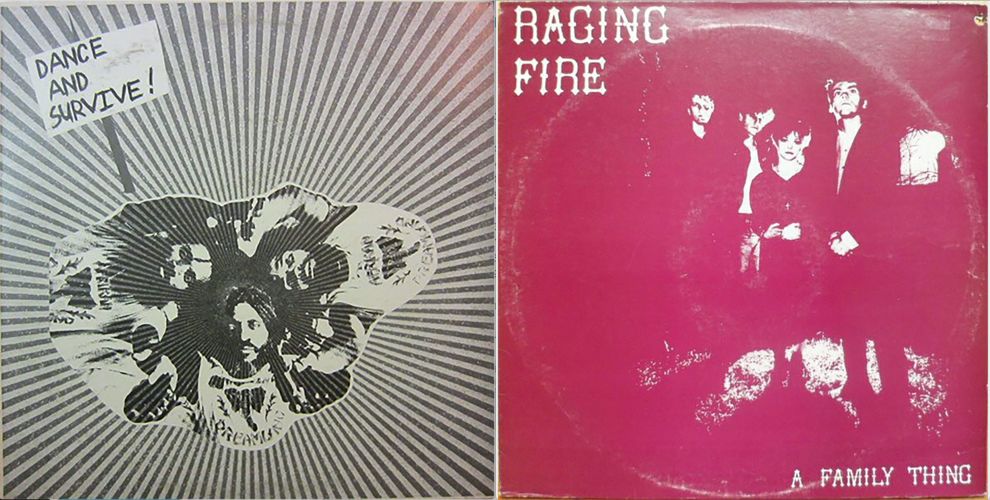
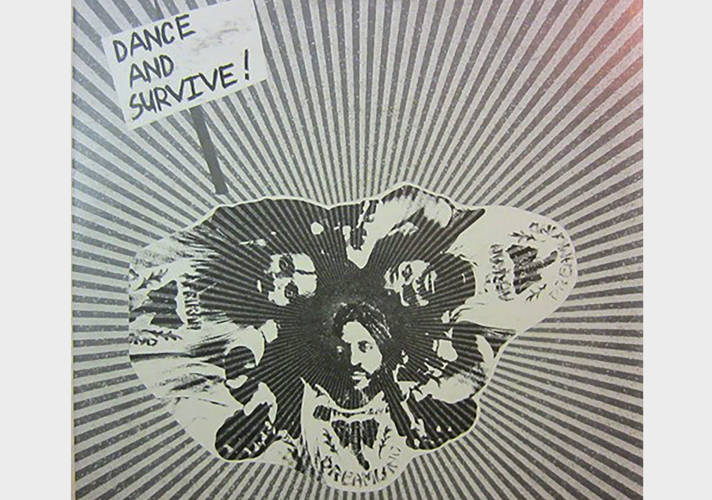
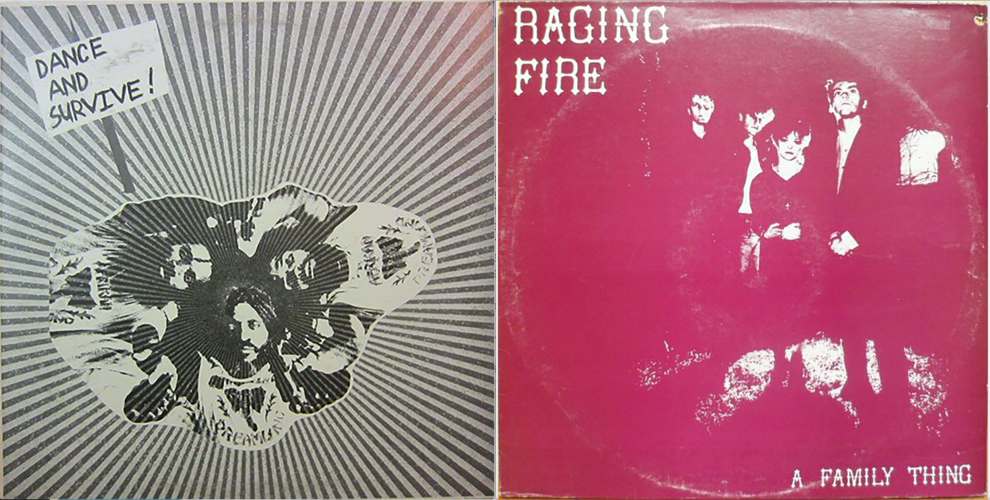
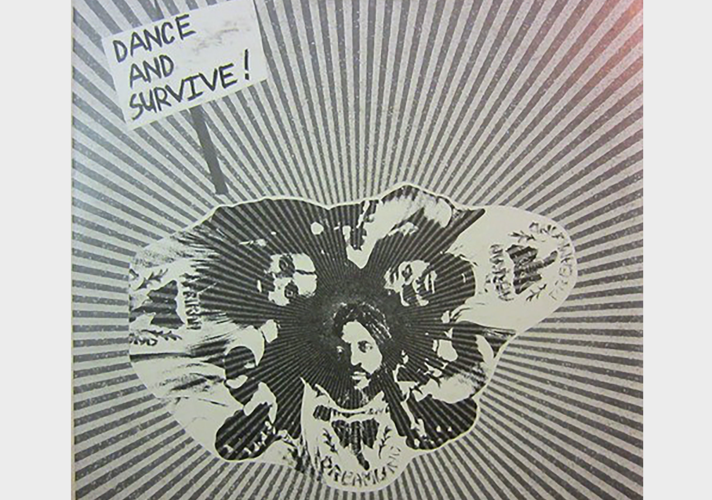
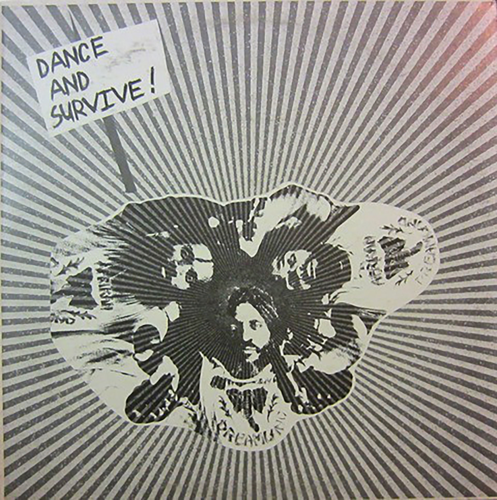
Afrikan Dreamland, Dance and Survive! (Ayo, 1982)
Something to appreciate about Nashville in the 1980s is that one of the most popular local groups in the country music capital of the world was a reggae band. What I didn’t appreciate at the time was the distinctiveness of Afrikan Dreamland’s sound, which leader Aashid Himons called “blu-reggae.” Dance and Survive! builds on the offbeat rhythms of reggae, fueled by Himons’ muscular bass and keyboards, with Darrell Rose’s percussion and Mustafa Abdul-Aleem’s flute and percussion adding depth, dimension and texture. Himons’ Appalachian roots, his expansive spirit and his kind demeanor flow throughout his music, and his lyrics dial in on the worries about nuclear proliferation that so defined the decade. They also directly address the entrenched problems of systemic racism that continue to define our country today. And so this music, which finds our collective liberation in both joy and protest, sounds relevant to contemporary ears as well. If you want to listen to this now hard-to-find album, you can thank YouTube user Uncommon Archives, who has posted the entire record on their account.

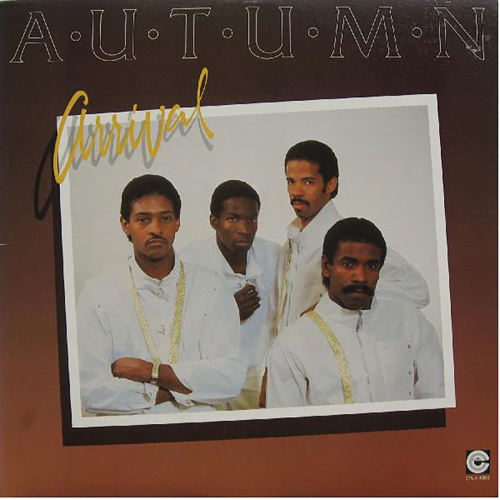
Autumn, Arrival (Compleat Records, 1984)
In a city with a rich R&B history going back the better part of a century, it’s fair to say that Autumn was Nashville’s preeminent R&B group in the ’80s, and Arrival is one of the great (if unheralded) records of the era. It was released on a Nashville-based label whose roster included the late, great Bohannon, country artist Vern Gosdin, and the Dallas Cowboys Cheerleaders (!). Across nine tracks, these four Fisk University graduates survey ballads, electro-funk, slow jams and more, with “Culture Shock” giving voice to the anxieties of contemporary life; “Creepin’ (Ah, Ah, There You Go)” and “Hopscotch” exploring themes of broken trust; and “Living Free” perfectly encapsulating what it meant to express oneself freely in the ’80s. Keyboardist Geo Cooper provides a tight musical foundation with his Yamaha, Prophet, Juno and Moog synths, with guitarist Vanduz Norman-Bradshaw offering note-perfect flourishes throughout. Vocalists Darryl Jones and Randy Smith deliver the songs with verve and feeling, culminating in the soaring “Come Walk My Way.” Fun fact: Autumn also recorded the instrumental theme for the 1985 film Krush Groove.

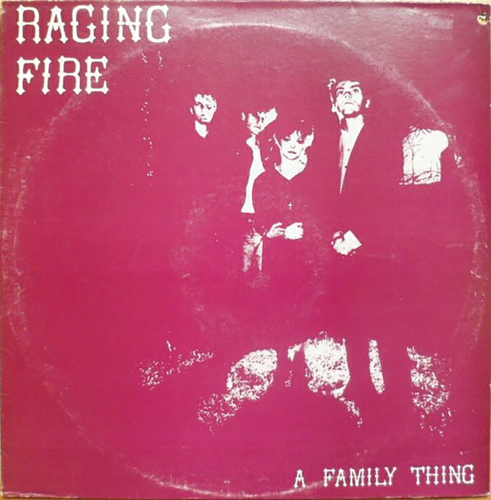
Raging Fire, A Family Thing (Pristine Records, 1985)
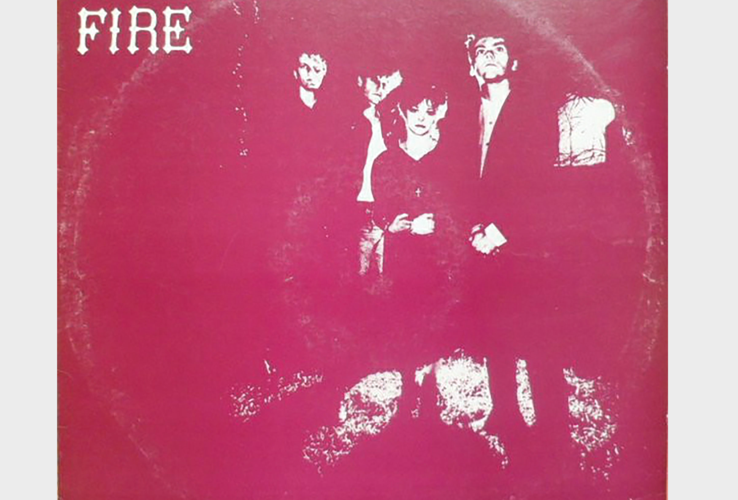
We all know how important Jason & the Scorchers were to the local music scene in the 1980s. But back then, Raging Fire was the group that mattered to me. It’s not just because they played tons of all-ages shows for kids who generally couldn’t get into Cantrell’s or Exit/In — it’s also because vocalist Melora Zaner took us kids seriously, and she’d always hang out after shows and engage in deep conversation. She was only a few years older, but she seemed so wise. Reflecting on her keenly observed lyrics now, I realize she was working through the same messy questions of family, identity and relationships that we were just starting to grapple with. To a picked and strummed acoustic guitar, the title track opens like a short story: “I brushed my hair and / Tripped down the stairs / Into another Monday / What would my mother say?” From there, the band unleashes its full fury, diving into a blazing country-punk hybrid that, to my ears, always sounded just a little more vital and crackling than the Scorchers’ own celebrated sound.

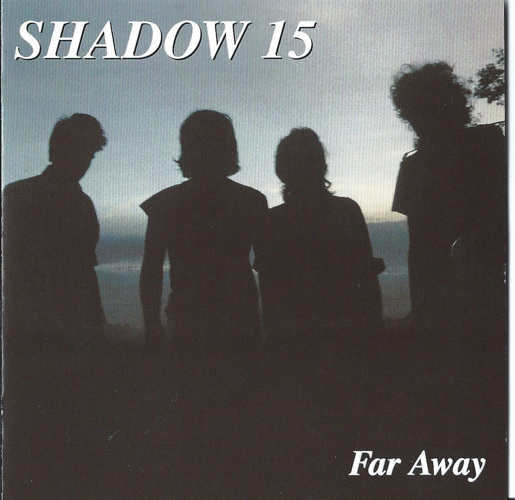
Shadow 15, Far Away (Big Monkey Records, 1985)
This record encapsulates everything I love about rock music from this era. Within it, I hear the sonic and emotional starkness of British post-punk — the agitated drums-and-bass intro of the opening track “Time Dies” puts me in the mind of Joy Division’s “Disorder.” But I also hear the angst and raw energy of the American underground, circa 1984-85, in the tempos, wiry guitar leads, power chords and the yearning rasp of Scott Feinstein’s vocals. As with Raging Fire’s A Family Thing, this four-song collection also reminds me what a great medium the EP can be — compact enough to contain a band’s best ideas, but just expansive enough to show some of their depth.

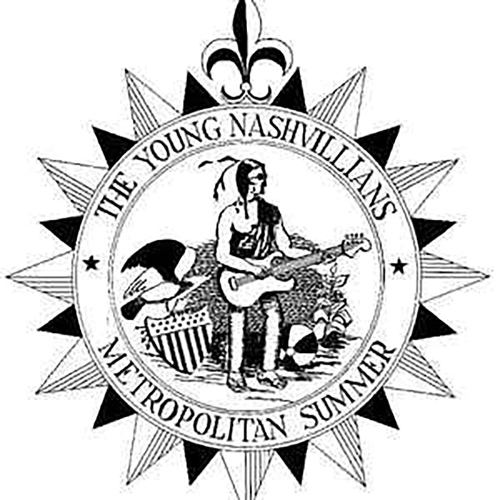
The Young Nashvillians, Metropolitan Summer (Dread Beat Records, 1982)
If any recording captures memories of a long-gone Nashville for me, this is it. For one thing, nostalgia is written into this record, as the songwriting and the general feel owe a huge debt to the heyday of ’60s AM radio — The Young Nashvillians even include a cover of Jimmy Gilmer and the Fireballs’ 1963 hit “Sugar Shack.” But instead of that record’s signature Hammond organ, it’s the very ’80s sound of the Casiotone MT-40 that dominates here. Metropolitan Summer was recorded in band member Jon Shayne’s basement, which you can plainly hear in the audio quality, but therein lies its charm. Given that I went to high school with some of these guys, it shouldn’t be surprising that the Nashville they capture in their songs reflects some of my own youthful and sheltered experience — as a backup chorus sings at one point: “Well, they went to McDonald’s / And they went to the pool / And they drove around a lot.” Within this time capsule are snapshots of a Green Hills that was less posh and affluent than the one we know today, and a lament about the quality of the ice at Shoney’s (“Kinda gooey / Kinda chewy / Kind of in one clump”). My personal favorite might be “Jumper Cables,” arguably the best song ever written about car trouble, which contains this indelible couplet: “I have a tow truck, and I call it ‘asshole’ / I buy a lot of gasoline and put it in the gas hole.”



