
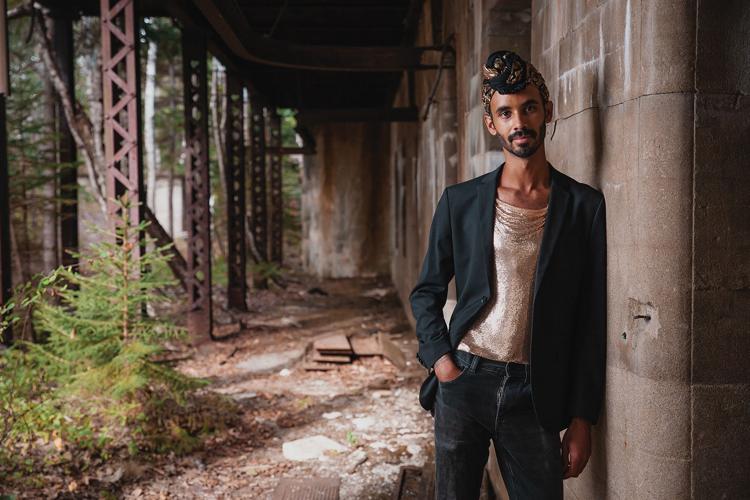


Jake Blount
Please forgive me for being so late in the record cycle on Jake Blount’s The New Faith, but I was in a fugue state. It wrapped up *checks watch* just about now and started around the time the Providence, R.I.-based string-band wizard and musicologist dropped this intense work of multimodal storytelling. Released in September 2022, The New Faith was recorded during the early days of COVID lockdown. On the album, Blount grafts spirituals and other historic musical forms (including hip-hop, the musical language of our era in history) to a futuristic narrative, capturing the close-miked claustrophobia of the times in the process.
Not that I am champing at the bit to revisit the “shaking in the corner” years, but if I have to confront that trauma, Blount’s sparse, elegant arrangements are the way to do it. The New Faith is equal parts intense, uncomfortable and beautiful. It’s acoustic and electric, spoken and sung, intimate despite its story being told from a perspective outside the subjects of its narrative. Listening to the record in spring 2024, four years after the shit hit the fan, I think we need to start preserving and curating the music created during society’s shutdown. That includes but isn’t limited to collecting records from labels like Smithsonian Folkways, home to The New Faith.
If bedroom records are the new music of the people — the culture that underpins commercial culture, the “anybody can do it, everybody is doing it” form of music for the 21st century — then we have a moral imperative to collect songs before they are shoved down our collective memory hole. And while I understand the impulse to just, ahem, wash our hands of the whole COVID experience — I get it, I’m over it too — The New Faith and its brethren represent a really important moment in how we create and consume art.

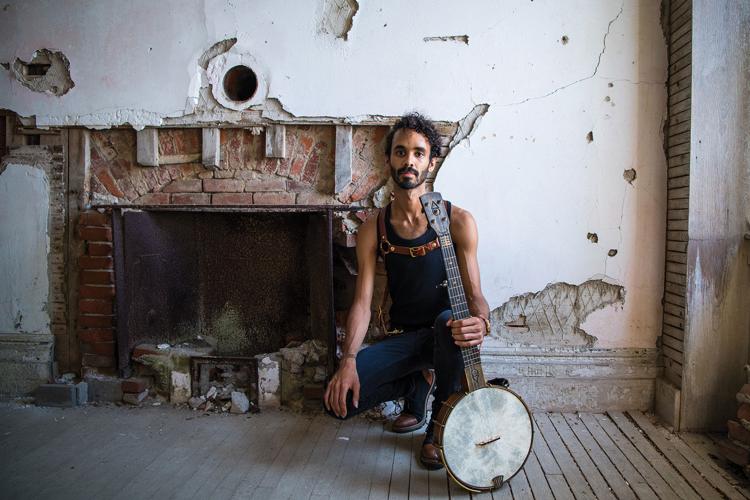
Jake Blount
The arc of recorded music has always bent toward greater isolation — think cylinders to cassettes to earbuds — and the era when we achieved absolute isolation should be poked, prodded and studied while the psychic wounds are still fresh. I worry that our reliance on the tech industry means the entire global COVID experience will be reduced to a TikTok of some hack comic doing crowd work about horse pills. Someone needs to preserve our collective freakout, and it won’t be Meta or the finance bros who are buying up media companies and stripping them for parts like some sort of Silicon Valley Jawas.
On The New Faith, Blount delivers dramatic narratives about humanity’s tendency toward self-destruction — the track “Parable” would make a great elevator pitch for a miniseries — with a steady hand and calm voice, counterbalanced by the tension in his string drones and broken-up guitar tones. Blount’s speculative visions of dystopia and his steadfast interpretation of songs forged in America’s most horrific epochs capture and countermand the horrors happening beyond his four walls, without ever mentioning the infernal, interminable COVID pandemic even once.
People who create music will be processing the pandemic for years to come. But from here on out, we’re likely to see a spiral of revisions and sanitations, with each retelling getting further from the truth and closer to myth. That makes albums like The New Faith, created in the moment and brutally honest, all the more impressive and important as the years roll on.




Post a comment as anonymous
Report
Watch this discussion.
(0) comments
Welcome to the discussion.
Log In
Welcome to the discussion.
Keep it clean. Please avoid obscene, vulgar, lewd, racist or otherwise abusive language. Comments featuring hate speech or threatening or violent content will not be tolerated.
PLEASE TURN OFF YOUR CAPS LOCK.
Be truthful. Don't knowingly lie or mislead.
Be proactive. Use the “report” link on any comment that violates our comment policy.
Share with us. We'd love to hear your feedback.