
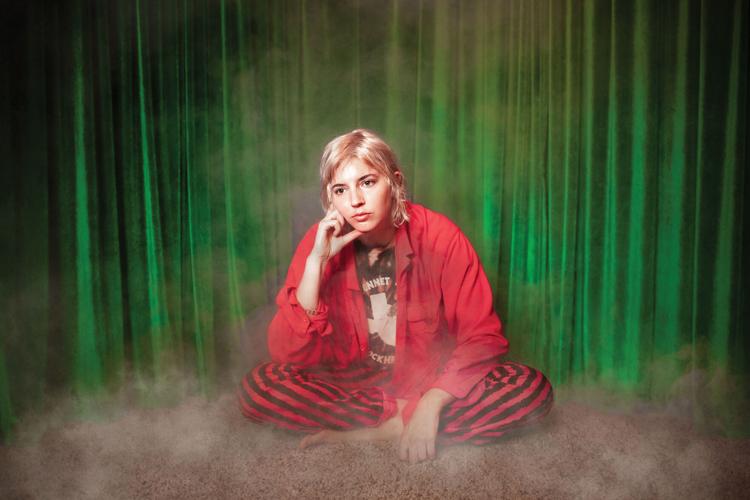


Caroline Rose
Caroline Rose released their fourth studio album Superstar on March 6, 2020, right on the edge of the pandemic. A concept record about the trappings of fame in an increasingly digital age, Superstar flew beneath the news cycle, and Rose was forced to cancel an extensive run of tour dates in support of the LP. It was a brutal blow for Rose, who found breakout success in 2018 with their excellent third record Loner.
That experience, coupled with a pair of painful personal losses shortly after, led Rose to their most ambitious project yet, their fifth LP The Art of Forgetting. Released in late March, the album finds the Austin, Texas-residing singer-songwriter and multi-instrumentalist building an even bigger sonic world than they did on their prior two indie-pop- and synth-rock-leaning records. It’s a fitting move given the project’s themes: memory, grief and finding a way to move on in the face of loss.
Calling from home in Austin a day before heading out on tour, Rose tells the Scene that despite initially feeling uncertain about the trajectory of their career during those dark early-pandemic days, they still found their way back to seeking solace in making music. First, though, they needed to grieve the loss. There were lessons to be had.
“It left me in a weird place,” Rose says. “You put all this time and energy into something, and there’s just never a guarantee that something is gonna work out. So it was a bit of a smack in the face. Inevitably, and maybe subconsciously, I had all these expectations for myself. When none of it pans out, it leaves you pretty empty if you have no other bucket that you’re filling — if you’re just hyper-focused on this one thing. That was a rude awakening for me. Like, I need to have a life outside of music and my career.”
Those reverberations soon paired with the aftershocks of a devastating breakup, which left Rose feeling uncertain about more than just music. As their emotions began to build, it became clear to Rose that the best way to approach this maelstrom of feelings was to try to write about it.
“At a certain point, it was just like shaking a can of soda,” they say. “The top is about to pop off. That’s what it felt like, in the beginning at least. And then some time passed, and I started to feel more and more like myself. This is still happening. I’m still trying to feel more and more like my best self. And maybe I always will. But it stopped being so explosive and became more healing.”
As Rose began to accumulate material, they went to work in their home studio, creating larger and stranger sounds than the taut, infectious synth-rock of Loner or the funky, intricate pop of Superstar. Creating a mood mattered more than building hooks. The resulting album is an immersive, often intimate journey through one person’s painful path to healing.
“This record, I wanted it to sound like this combination of lo-fi texture — where the narrator feels small,” they say. “But then, these big emotions come up, and this feeling of intensity or rapture or hope, or even anger, starts filling the void. To me, it was a really interesting combination. And I was like, ‘That’s exactly how I feel. I feel small, and I don’t really know how to care for myself. But I have these big feelings that are so powerful and relieving, in a way.’”

Caroline Rose
The texture of opener “Love / Lover / Friend” builds up from ominous plucked flamenco guitar to a moody, orchestral crescendo, immediately signaling that this isn’t your average Caroline Rose record. That track gives way to the aptly titled “Rebirth,” another slowly building track that blends skittering drums with pained backing vocals. The song ends without the chord progression resolving, holding the tension through a moment of silence until the beginning of standout track “Miami” — a heart-wrenching assortment of memories from a doomed vacation with an ex-lover. Other highlights include “Jill Says,” named for Rose’s therapist, and “The Doldrums,” a dark, dreamy consideration of an earlier self.
Interspersed throughout The Art of Forgetting are voice memos from Rose’s late grandmother, who was experiencing memory deterioration at the time. Rose says they spoke on the phone every day, and these messages from their grandmother helped them find perspective while grieving the other losses in their life. Mimicking Rose’s experience, each snippet offers a moment of grounding in the record for the listener, too.
Rose looks forward to getting another shot at touring a record, and their current jaunt brings them to Brooklyn Bowl on Wednesday. Asked if they felt like they were getting a second chance to play songs from Superstar after being robbed of the opportunity in 2020, Rose doesn’t feel as if they were “robbed” of anything. That’s a far cry from the overwhelming feeling of those early days, and a reminder of one of the many ways that music can bring about healing.
“It was just, ‘This is what life does.’ There’s never a guarantee of anything. There’s no guarantee of even living tomorrow. So I’m just trying to enjoy the ride and enjoy the process. A new difficulty crops up every day. The challenge is to stay aware and still enjoy everything around me.”





Post a comment as anonymous
Report
Watch this discussion.
(0) comments
Welcome to the discussion.
Log In
Welcome to the discussion.
Keep it clean. Please avoid obscene, vulgar, lewd, racist or otherwise abusive language. Comments featuring hate speech or threatening or violent content will not be tolerated.
PLEASE TURN OFF YOUR CAPS LOCK.
Be truthful. Don't knowingly lie or mislead.
Be proactive. Use the “report” link on any comment that violates our comment policy.
Share with us. We'd love to hear your feedback.