
With her series “The People’s Places,” contributor Jennifer Justus provides short takes on longtime local restaurants, markets and bars that deserve another look. See more installments at our Bites blog.
Before Kayda Tovi opens the front door of Botan Market, she traces her hand under a poster on the front door advertising kunafa, a Middle Eastern sweet made with shredded pastry. That’s how far up the water came, she explains, when the family business flooded in March of this year.
That was the second time the market has flooded in its location at the corner of Nolensville and Edmondson pikes — the first time was during Nashville’s historic 2010 flood.
“Oh gosh, it’s like déjà vu,” says Helan Tovi, Kayda’s daughter. “My uncle and father were devastated. It was hard.”

The two men — Hamid Tovi and Even Tovi, who co-own Botan Market — were at the shop the night of that heavy rainfall less than two months ago, watching the floodwaters rise and cars flood in the street, trying to think of what they could do.
“You can’t pause the rain,” Helan says. “But to witness it the day after, we were just all in tears.” Bags of rice and produce, boxes of dates, nuts and racks of fresh-baked bread — all ruined. Coolers flipped and heavy equipment washed back to the creek.
Helan says the family has considered relocating or raising the building in some way. “But they’re so comfortable with this area,” she says of her father and uncle. “This place has so much history. They don’t want to give it up.”
Botan Market is one of the oldest and most respected Kurdish-owned markets in Nashville, a city with what is likely the largest Kurdish population in the United States. Hamid and Even took over the business in the early 2000s when its previous owners, close friends of theirs, moved to Arizona.
“We have grown so much into the community,” Helan says. “A lot of people come over here and just hang out and see how my parents are doing, how my family’s doing, grab their drinks and groceries or snacks and go about their day. It definitely has a cultural feel to it.”
After the March flood, the community continued to show up — this time to help the family get back on their feet. Within days, folks were making donations to a GoFundMe campaign for the market. Volunteers, organized through Hands on Nashville, arrived to clean up. Edessa Restaurant, a Kurdish and Turkish spot down the street, brought food, and employees stayed to work. World Central Kitchen brought meals, and the owner of the gas station next door to Botan brought his coffee and tea machines and snacks for volunteers.
“That made us feel like we have help,” Helan says.
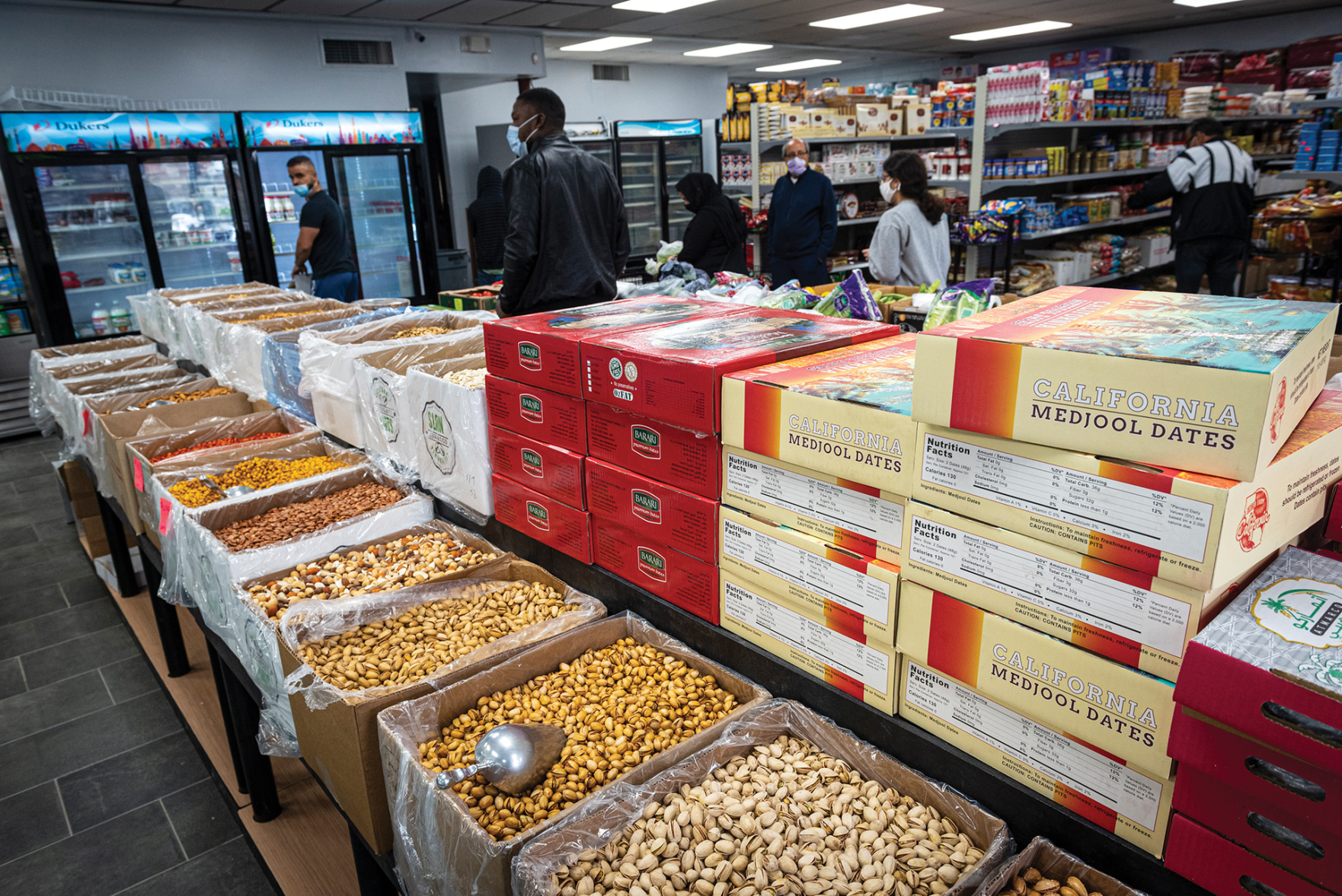
The flood happened at a critical time in the Islamic faith, just before the start of Ramadan — which began in April and concludes with the holiday Eid al-Fitr on May 12 and 13. Even during the holy month, when those who observe Ramadan fast, Helan says folks come in around sundown to grab their last-minute groceries before they break fast for the day. Then on Eid, “We serve a lot of sweets and pastries and teas — now that we can eat all the food we want to,” she says. “People are coming in and out of here making sure they have everything they need to provide for their guests and family around that time. Most of our sales happen around that time. To have the market being closed down at this time is a hardship.”
Regular customer Eva Abdullah says she might pick up special boxes of medjool dates, for example, a traditional fruit in breaking fast. “Ramadan is definitely a time we cook more at home, but honestly most Kurdish households cook daily,” says Abdullah. “However in Ramadan, we might make more specialty dishes. We try to have soups to break our fast, the most popular being neesk, red lentil soup, but I also favor maash, a mint and mung bean soup. We also might make more sweets like zalubi, a fried sweet drizzled with simple syrup, or baklava.”

Even while Botan remained closed for repairs, folks stopped in continuously. “Dried figs?” one woman asked, holding open the front door. Helan confirmed they had them and invited her to shop. Despite the grocery technically being closed, Botan’s owners didn’t want to turn anyone away. It’s this welcoming spirit that has kept Abdullah coming back since the early days of the market.
“Back then the father of the owner was also alive, and he would always be there and would greet you as you came,” Abdullah says. “Every time I came he would pull me aside and give me some fruit or veggies to take on the house. He’d say, ‘These will go to waste if you don’t take them, please take these for you and your family.’ His sons are equally kind that run the store, and I bet they get that beautiful kindness from him.”
Abdullah has been working on two cookbooks. One will feature cuisine from the Barwari region, the area of Kurdistan her husband comes from. The other will be a mother-daughter book featuring foods that families cook together. Abdullah posts about her food journey on Instagram at @qazana_kurdi, sometimes sharing her favorites from Botan — Ahmed Tea, madras curry powder, crushed wheat and farina, red lentils, yogurt drinks and fresh naan. “They also usually have a great variety of fresh herbs, even special ones near and dear to Kurdish hearts like Kurdish celery and purslane.”
While Abdullah is a longtime customer, Louisa Shafia discovered the shop more recently — within the past couple of years. It quickly became a favorite. “I go there to get ingredients for Iranian dinners and all my Iranian projects,” says Shafia.
Shafia hosts Persian pop-ups, writes cookbooks and runs an online shop called Feast that sells gift sets and spice blends. She says that at Botan, she appreciates the different types of date syrups and pomegranate molasses and homemade things like a dish called samanu, a pudding made of wheatgrass. “It’s really special stuff, I’ve only had it at Iranian New Year,” Shafia says. And she echoes Abdullah on Botan’s service, noting that the owners are “up for anything.”
“I needed a whole bunch of rosewater one time,” she says, “and they let me order a case wholesale.”
Markets like Botan in Nashville initially came as a surprise to Shafia, who previously lived in New York City. Before moving to Nashville, she searched online for shops carrying Middle Eastern and international goods. “There’s like a plethora of them,” she remembers thinking. “I never had this many options for shopping. It’s wonderful.”
These days, when she feels down, Shafia peruses markets like Botan, which are a “total connection to my family and childhood.” Her Iranian father requests trips to Nolensville Pike on his visits too. “He can barely control himself — dried figs, mulberries and walnuts in the shell. All these things he grew up with.”
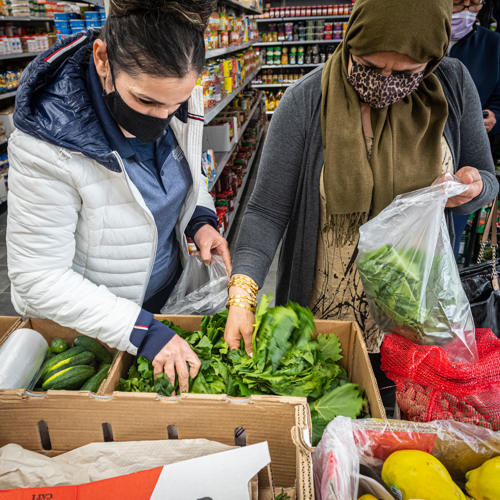
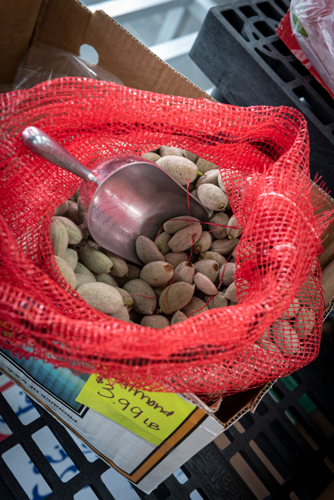
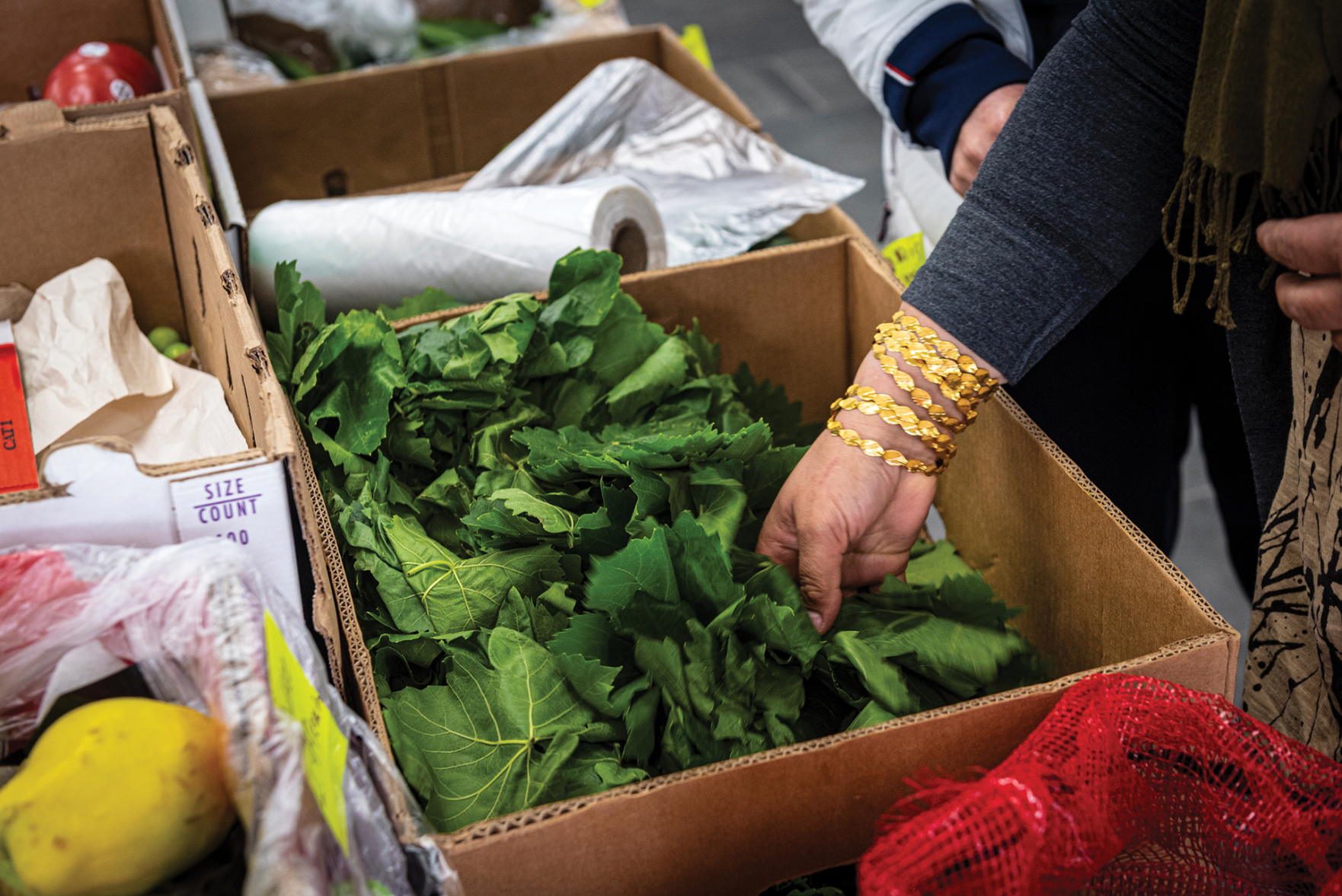
Helan says that on April 23 — less than a month after the flood, and even before Botan had been fully stocked — her family made the decision to open again after receiving a produce order. The space filled up quickly with shoppers loading their baskets with teas and tahinis. A banner was draped across the wall behind the register: “Ramadan Kareem” — welcome Ramadan. One man who lives in Nashville but comes from Israel reminisced about eating fresh green almonds pressed into salt. Others scooped up handfuls of fresh grape leaves.
“To bring the culture from back home to the U.S., it’s awesome,” Helan says. “Because everyone feels like it’s at home, and they are at peace and knowing that we have a strong community here as well.”



