
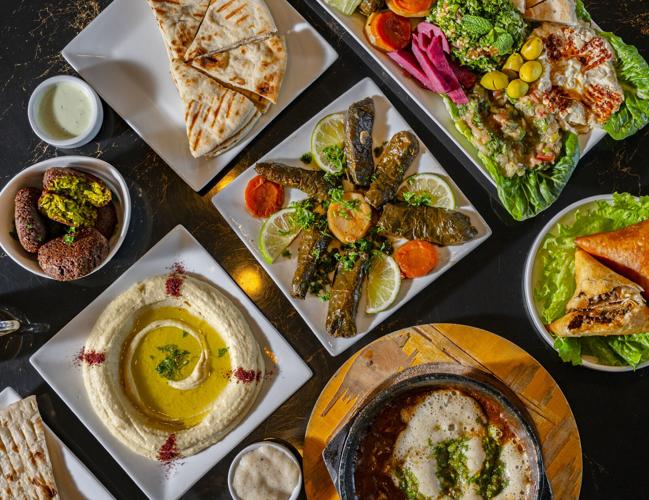

“One of the popular things to do in the United States is to invite neighbors and friends to break the fast at dinner at restaurants or at home,” says Mesut Kelik, a member of Nashville’s Kurdish community and co-owner of Edessa Restaurant Kurdish Turkish Cuisine on Nolensville Pike. Kelik is talking about the nightly iftar dinners that Muslims partake in as part of their observance of Ramadan.
Ramadan is the ninth month of the Islamic calendar — a period of prayer, reflection, fasting and community. Muslims who observe Ramadan fast from sunrise to sunset for the month, abstaining from food and drink, including water. They then break the nightly fast with an iftar dinner. Because the Islamic calendar is lunar, the dates of Ramadan shift annually relative to the Gregorian calendar. This year, Ramadan runs from Feb. 17 through March 19. Nashville has the largest Kurdish population in the U.S., estimated at roughly 15,000 to 20,000 people. The majority of Kurds are Muslim, making this an important month in Music City. Some use the month of reflection and fasting to reflect on hunger in the greater community.
During the month, most Muslims have a variety of ways they observe iftar — often at home with family, sometimes rotating houses with friends or family, also bringing food to mosques and dining in community and eating out at restaurants. Several Nashville restaurants will have extended hours to accommodate groups who want to break the fast and gather in community after prayer. Traditionally, Muslims break the fast at sunset (between 5:30 and 7 p.m. in Nashville this year) with a date, a fruit Prophet Muhammad ate. After that, they will return to maghrib (sunset prayer) and eat an iftar meal. While there is no prescribed menu, dishes may include many fruits and vegetables, meats, desserts and nonalcoholic beverages. The emphasis for many is on low-carb dishes to help with the repeated fasting. Tea, coffee and dessert follow the meal.
Many restaurants extend and adjust hours during Ramadan to accommodate customers who are fasting and want to eat before sunrise and after sunset. “Muslim people only eat once a day, so they really care about what they eat,” says Kelik. “You want to have a really good meal every night, start to end.”
At Edessa, all diners will receive dates and olives to break the fast, and then dinner starts with lentil soup. The dish is popular among Kurds during Ramadan because it is filling and fibrous.
Below are four restaurants worth checking out.
Jerusalem Reebar Restaurant
360 Elysian Fields Court
Ramadan brings a nightly buffet, starting at sunset. Price is $25 during the week and $30 on weekends. It includes many of the South Nashville restaurant’s specialties, such as wraps and kebabs, with new dishes rolled out throughout the month and extra dishes on weekends. Pricing includes desserts but not drinks. Because many people dine with large parties of family and friends during Ramadan, reservations are recommended.
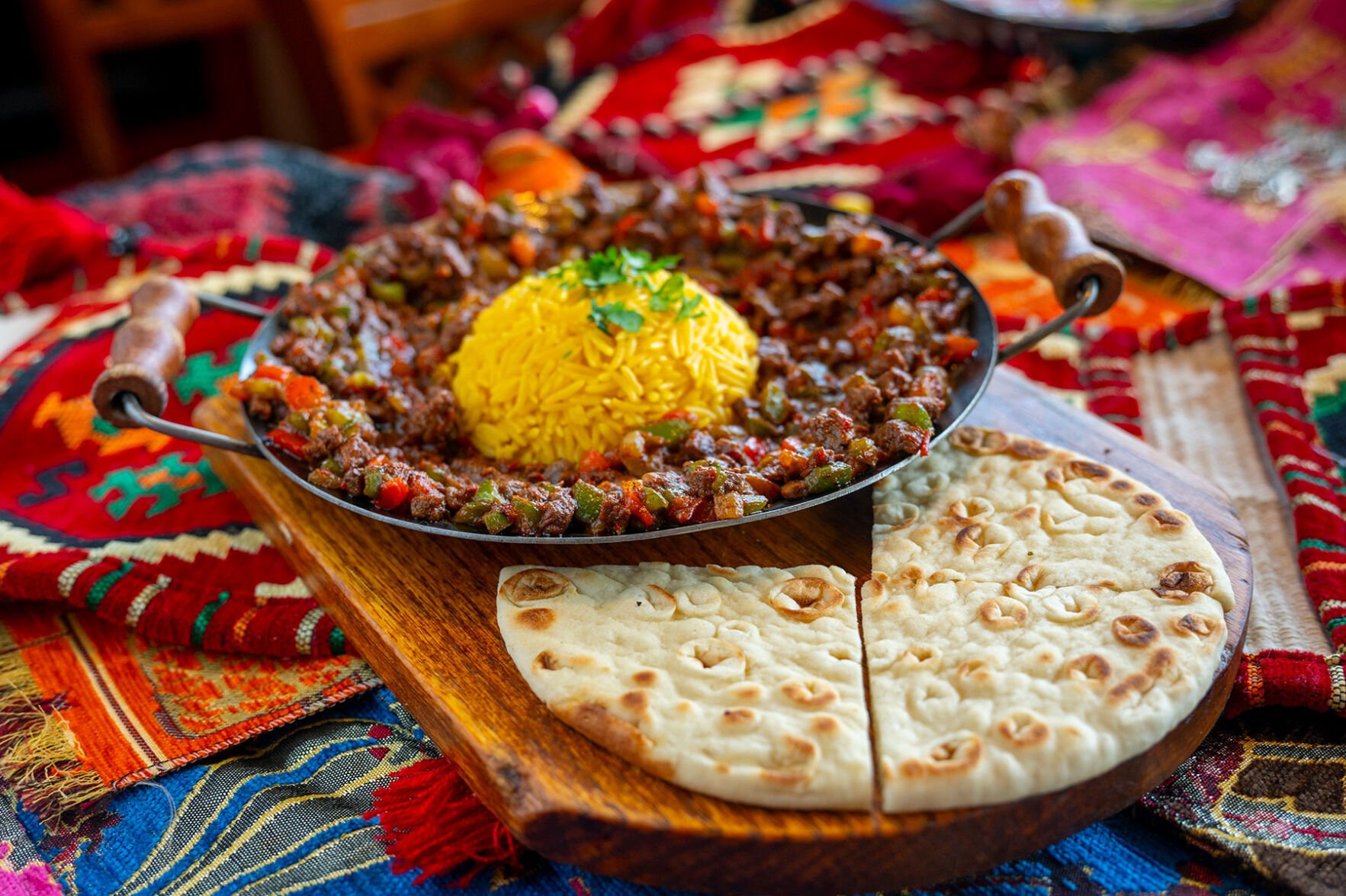
Saç tava at Edessa
Edessa Restaurant Kurdish Turkish Cuisine
3802 Nolensville Pike
Reservations are recommended at Edessa during Ramadan, particularly for the last three weeks . (Kelik says many people have iftar dinner at home during the first week.) “For most Kurdish people, a meal is not a meal if it does not have meat,” Kelik says, and suggests new diners try the stews and grilled meats. Favorites include clay pot kebabs and lamb shank.
Middle Eatz Grill
412 Harding Place, No. 104
The South Nashville restaurant serving Yemeni food will be open for dinner from 5 to 9 p.m. six days a week (closed Tuesdays) during Ramadan. The menu is chock-full of rice plates, fries, falafel and salads.
The Horn HQ
619 Murfreesboro Pike
This Somali cafe will extend the hours at its Murfreesboro Pike location only on Friday and Saturday nights during Ramadan to be open between 10 p.m. and 1 a.m. A few specialty beverages will be added to the menu for the month. The Horn is known for its sambusas, fried dough triangles with different savory fillings.
In addition to the restaurant offerings, five Nashville mosques are welcoming the public to different Ramadan iftar dinners over the next month. The events, held between Feb. 22 and March 8, include an Islam 101 presentation. The five dinners at the mosques are free and in various neighborhoods across town, from 12South to Bellevue. Advance registration is required as spots are limited. Visit the Islamic Center of Nashville’s website (icntn.org) for more information.
In Muslim tradition, most people start fasting for Ramadan when they hit puberty, so many students in high school and college are fasting during the day, while they’re at school. In response, the Muslim Student Association at many high schools and colleges hosts Fast-a-Thons — iftar dinners with educational and charitable components for faculty, staff and students. At Valor Collegiate Academies on Nolensville Pike, according to Valor family engagement associate Sipel Ibrahim, many younger students do fast in solidarity with older students. A Fast-a-Thon will be held at Valor on March 5 this year, with room for 220 diners. Cost is $20 and includes entertainment, education and dinner. Those interested should register online via the valorcollegiate.org Google form.
“It’s very diverse,” Ibrahim says of the event. “Because we all have the same traditions, reflections as far as the religion goes, but every family has different traditions that they follow and inherit during Ramadan.”



Post a comment as anonymous
Report
Watch this discussion.
(0) comments
Welcome to the discussion.
Log In
Welcome to the discussion.
Keep it clean. Please avoid obscene, vulgar, lewd, racist or otherwise abusive language. Comments featuring hate speech or threatening or violent content will not be tolerated.
PLEASE TURN OFF YOUR CAPS LOCK.
Be truthful. Don't knowingly lie or mislead.
Be proactive. Use the “report” link on any comment that violates our comment policy.
Share with us. We'd love to hear your feedback.