
If you bypass the endcaps and poke around the corners of the wine store, you can find some interesting and unique wines. That's how I discovered malbec years ago and how I realized that I prefer Chilean reds (generally speaking) and Oregon whites. When you spend some time in the South African section, you're likely to find Pinotage, a grape created in South Africa when the Pinot Noir grape was crossed with the Cinsaut, then known as Hermitage.
The first wines made from the grape (in the 1950s) gained some notice, but as the grape became more popular, problems started to arise; variations in the winemaking and fermentation can create vastly different tastes, and many wines produced in the later 20th century were vinegary and had an unpleasant nose. Much of the grape's yield was then used for blends or ports.
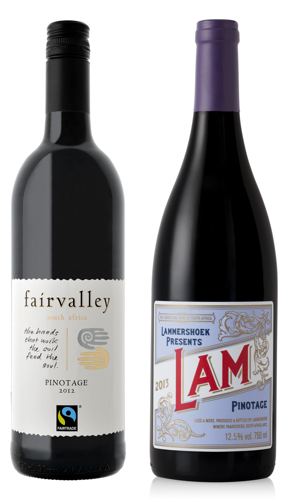
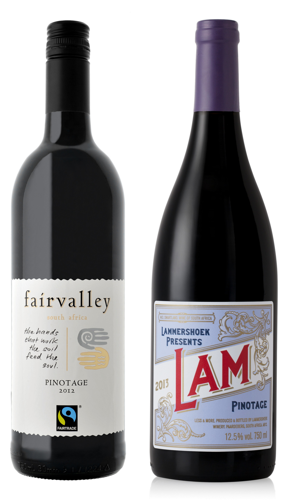
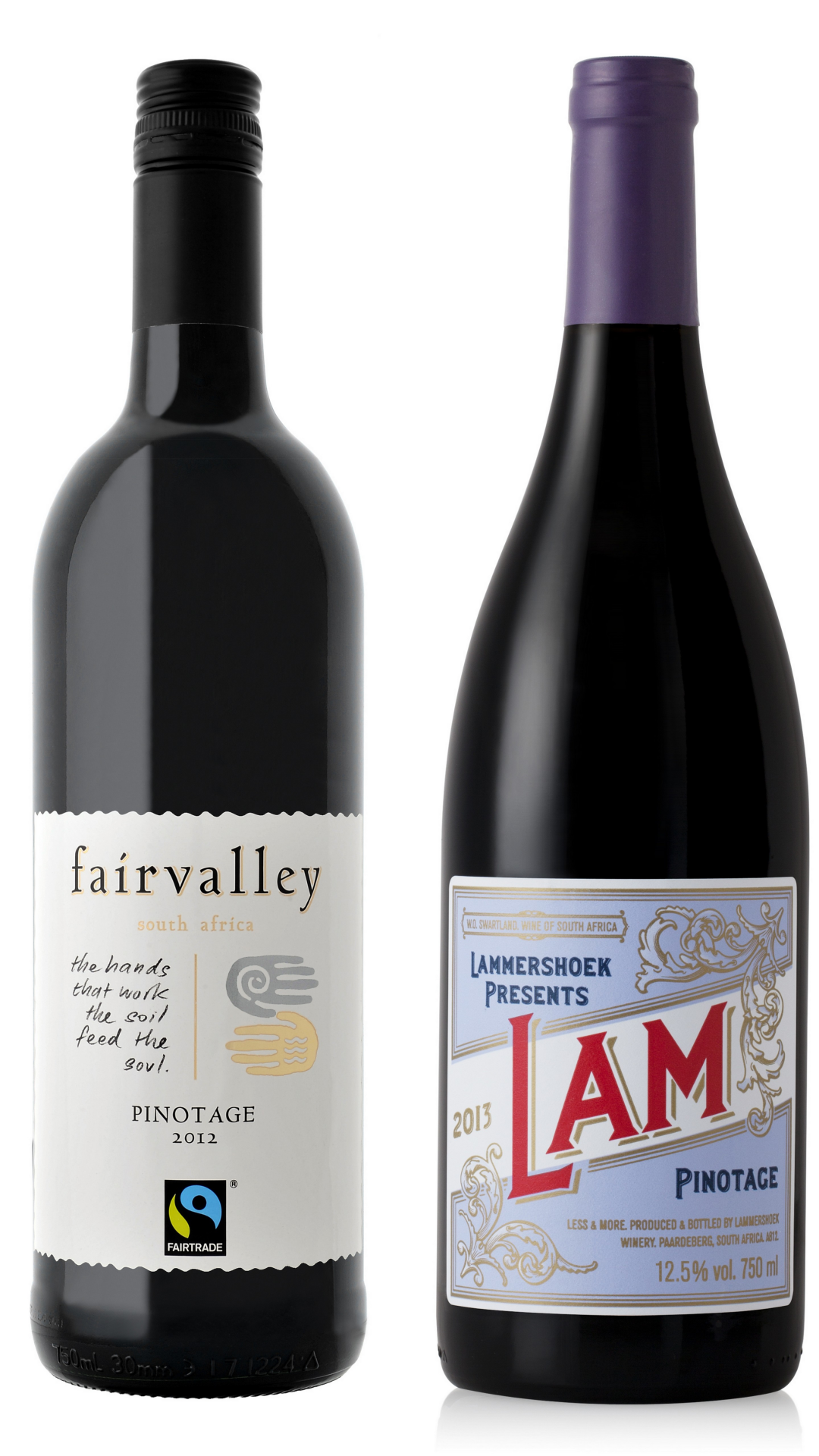
Pinotage is now experiencing a resurgence in popularity, thanks to careful winemakers and an attractive price point (bottles can often be found for $10 to $15). Pinotage can vary widely based on how the grapes are processed and fermented. Two to try include Fairvalley 2012 and LAM 2014 from the Lammershoek winery.
Fairvalley is made with grapes from certified fair-trade vineyards (many of which are owned, in part, by the field workers). The wine is dark and has flavors of plum and black cherry as well as oak from its fermentation. It's medium-bodied and pairs best with red meats or hard cheeses.
The LAM is a bit milder and lighter in color than the Fairvalley. It also has flavors of plum and cherry, but is overall a bit more delicate and acidic, which makes it a bit more versatile. It's even appropriate on its own, as its flavor is more reminiscent of pinot noir, which is one of my favorite pre-dinner wines. The LAM is also certified organic.
The varietal was celebrated around the world recently: International Pinotage Day is Oct. 8.



