
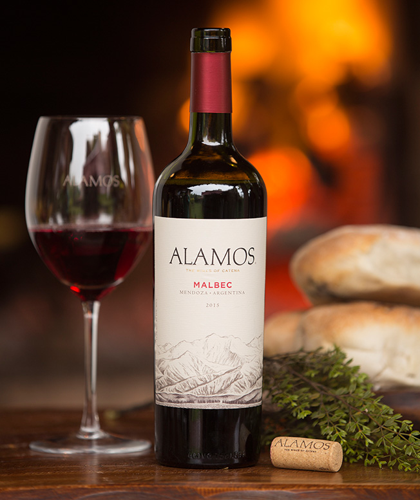
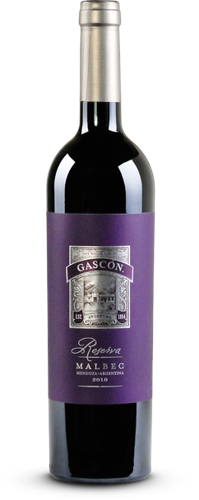


Although the Malbec grape traces its lineage to France where it is frequently used as a blending grape, no place concentrates more on the varietal in Argentina where it has basically become the national grape. Fond of higher altitudes, Malbec is ideal for cultivation in the foothills of the Andes in the Mendoza region of western Argentina. Because the Malbec variety is so widely planted there, the wine is produced at a variety of price points and quality levels from inexpensive bottles and boxes you might see at a big box store to boutique vintages topping $100 a bottle — which is to say this is a very versatile grape worth seeking out.
I recently sampled four different Malbecs produced by Alamos and Gascón wineries, both of which are associated with the famous Argentine wine-making family, the Catenas. The Catena wineries are primarily located in the are around the city of Mendoza, an arid region that might only see less than 10 inches of rain in a year, so only six percent of the available land is actually cultivated. Although Malbec has been planted in the area since 1852, it is only in the past few decades that the varietal has become dominant.
Alamos 2017 Malbec is the most affordable of the four wines I sampled, priced in the $15 range and available in many groceries around town. The 2017 growing season was great one for the Uca Valley near Mendoza, with steady moderate temperatures throughout the summer leading to an early harvest. Because Alamos chooses to pick earlier than their corporate cousins at Gascón, the wine exhibits more red fruit forward characteristics and a nicely balanced acid level that would make the wine appropriate as a substitute for Italian wines like Chianti if you wanted to serve it with pizza or pasta. I don’t know about you, but I’m always on the hunt for a good, new $15 pizza wine. This is one! The Malbec is blended with a little bit of Syrah and Bonarda for a rounder mouthfeel and to mellow out the intense inky red of the primary grape.
Gascón’s baseline Malbec retails closer to $20, and you do get a slightly more refined wine for the upcharge. Harvested later in the season, those red fruits in Alamos are more like dark fruits in the Gascón, this blackberries and raspberries. Unlike so many current red blends that actually depend on added sugars to please the American palate (cough, cough Apothic), Gascón gets its sugar naturally from extra time on the vine. The residual sugar is nicely balanced by peppery notes to create a really balanced wine that is great with food or for drinking all by itself.
Both wineries also offer a reserve level Malbec priced about $10 more than their baseline wines. The Alamos 2016 Seleccion is sourced from the winemaker’s favorite blocks of vines from his favorite vineyards. Much more structured than the first two wines I’ve mentioned, the Seleccion exhibits delicate tannins that are apparent, but not overpowering, and a soft and velvety mouthfeel. Extra time in oak contributes subtle spice hints, and I imagine that this wine could age for up to a decade and only improve. This is only a supposition, because Argentinians tend to drink their wine rather than cellar it, my kind of compadres!
The Don Miguel Gascón 2015 Reserva is made with grapes from four different vineyards, two at high altitude in the Uco Valley and two closer to Mendoza. A mix of old and new vines leads to a complex wine that still manages to balance tannins with intense dark fruit and spice notes along with a floral nose. A small percentage of Petite Verdot is blended with the bold Malbecs to take the edge off and temper the acidity. At about $25 a bottle, this is at the high end of my everyday wine category, but would be a really affordable splurge if you wanted to sample a splendid example of what Argentine Malbecs can be.



