

I know it may sound odd, but Thanksgiving always makes me think about tequila. I recounted the story of why in a post years ago, but for those of you (the vast majority of you) who didn’t read that or don’t remember it, I’ll recount it again:
I remember the first time I was involved in planning and executing a Thanksgiving dinner. One year in college, some friends and I decided to rent a cabin at Lake Tahoe instead of heading home for the long holiday weekend. Since we were from all over the country, the trip back for a family meal seemed like it would be more trouble than it was worth, plus we figured cramming a dozen people into a ski chalet condo rental would be more fun, anyway.
Still, we were nostalgic for at least a modicum of Thanksgiving tradition, so we ran down to Safeway to buy a turkey at the last minute. One member of our crew fancied himself as a good cook and promised he had a recipe for Mexicali turkey we would love. We deputized him to take over the kitchen and watched as he shopped for easily six dozen limes and an extra fifth of tequila to “marinate” the bird.
Maybe we didn’t pay enough attention to the time and temp, or maybe we might have been doing marinade shots and just didn’t care, but the bird ended up pretty much like this one from the Griswold family Christmas meal. It ended up so dry and salty we took to daring each other to do tequila shots with turkey chasers.
So be careful with your bird and don’t set the oven to auto-clean.
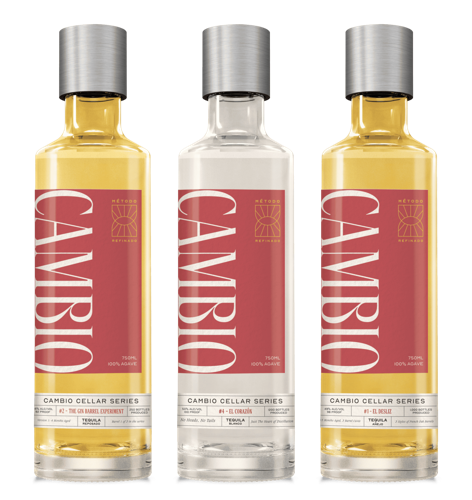
While you’re cooking, you might want to mix up a few cocktails with some products from Cambio Tequila, newly available in Nashville. The brand is the project of John des Rosiers, a Culinary Institute of America-trained chef who has worked in famous restaurants both as a cook and as a sommelier. He still runs a small restaurant group while he manages his new tequila business.
Des Rosiers married a woman from Jalisco, Mexico, and one of her cousins approached him with an idea to create a new tequila brand. Since his wife’s family lives in the highlands of Jalisco, they are very familiar with many of the tequila distilleries and agave farmers in the region, and des Rosiers was intrigued. He visited 18 different distilleries to learn about the process of manufacturing tequila and to find a future production partner.
He settled on ZB Distillery because they shared his experimentative nature and innate curiosity. Des Rosiers discovered that most tequila distilleries use recycled bread yeast for fermentation, and his experience as a sommelier led him down the path of how he could make a better spirit. He worked with wine-yeast manufacturers to see if that could be used to ferment tequila. No one really knew if it would, but ZB was game to try.

The wine yeast wasn’t built for speed, and the normal five-day fermentation period for tequila was drawn out to more than two weeks. This created a higher density of flavors that allowed the spirit to stand out in cocktails instead of being overtaken, which is usually the case. Des Rosiers also chose not to chill-filter his product, which created a lovely creamy mouthfeel texture in the distillate. Again thinking of how it would perform as part of a cocktail, he bottled his final product at 92 proof — in my opinion, the perfect alcohol level for mixology.
The entrepreneur still wasn’t finished with his tinkering. Most blanco tequilas go straight from the tank to the bottle, but Cambio insists that every product gets at least some time in a barrel. And not just any old barrel. The vast majority of tequilas are aged in used whiskey barrels so the char and the leftover spirits in the wood can contribute color and flavors to the reposado and añejo varieties. Des Rosiers wanted to see what used wine barrels could add to the mix instead.
Cambio Blanco spends at least two weeks in barrels that previously held white Bordeaux and Burgundy wines. The wine barrels contribute a nice roundness and softness to the blanco, raising it above the usual shot or margarita usage that most blancos merit. The fact that these aren’t whiskey barrels means the process is much softer on the agave and allows the green vegetal notes of the plant to shine.
His reposado gets six months in oak, including at least a month in those used wine barrels. Ever the mad scientist, des Rosiers works with three different cooperages to scrape the char out of former whiskey barrels and then re-toast them to add the characteristics he’s looking for. At any given time, Cambio has a palette of 15 different barrel specifications that they can work with to add the specific attributes des Rosiers is seeking as he tastes his products continuously throughout the process.
The reposado exhibits much more character than most aged tequilas that are aged only the minimum of two months. Cambio reposado is more like a mini-añejo, floral and tropical on the nose with notes of nuts and vanilla on the palate. At $59 a bottle, it’s head and shoulders above many celebrity-owned tequilas at much higher price points.
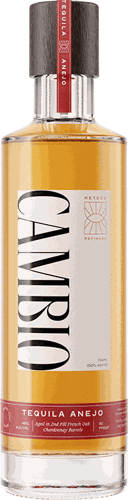
Cambio’s flagship añejo is only $10 more, which is remarkable when you think of the extra time and effort that goes into managing all those different barrels, the premium yeast that Cambio uses and the blue agave that des Rosiers buys from a co-op of local farmers who actually separate mutated plants into nine different varieties and replant them in different fields to maintain biodiversity.
Cambio’s añejo spends at least 22 months in a variety of casks — toasted and untoasted French oak barrels and Cognac casks. The result is a remarkably complex tequila in which you can really detect the contribution of the grapes to the process. Toasty and floral with a delightful texture, this is a sipper, not a shooter. I’m sure it would also be great in a cocktail, but I think that would be overkill. This should be a snifter experience.
Des Rosiers also releases limited editions of his experimental batches as red label products called the Cellar Reserve Series. One called El Desliz (or “The Mistake” in English) stems from a mix-up at the cooperage that resulted in a unique product that didn’t match the flavor and profile that Cambio wanted to use in their regular production. So des Rosiers decided to bottle it separately and sell it via his website. Released at cask strength, it drinks more like a Cognac than a tequila, and his mistake is your gain.
In just a couple of months in the Nashville market, Cambio has seen strong pickup at local spirits stores and forward-thinking cocktail bars like The Fox, Bar Sovereign and Martha, My Dear, so you should be able to track some down if you’re interested in changing the way you think about tequila.
Just don’t use it to marinate your turkey!



Post a comment as anonymous
Report
Watch this discussion.
(0) comments
Welcome to the discussion.
Log In
Welcome to the discussion.
Keep it clean. Please avoid obscene, vulgar, lewd, racist or otherwise abusive language. Comments featuring hate speech or threatening or violent content will not be tolerated.
PLEASE TURN OFF YOUR CAPS LOCK.
Be truthful. Don't knowingly lie or mislead.
Be proactive. Use the “report” link on any comment that violates our comment policy.
Share with us. We'd love to hear your feedback.