
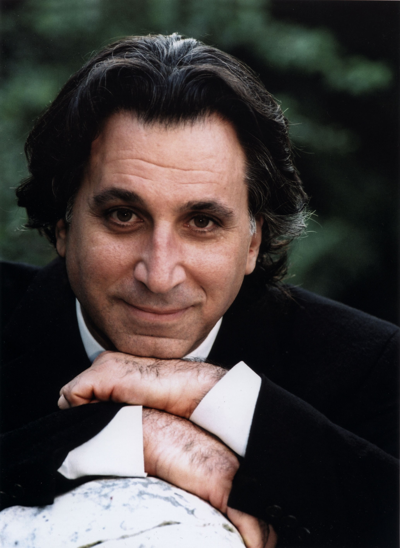


Composer Richard Danielpour
Nashville Symphony plays Danielpour, Saint-Saëns and Sibelius
When: 8 p.m. Saturday, Nov. 21
Where: Schermerhorn Symphony Center
In recent years, the Nashville Symphony has devoted a considerable (one might even say inordinate) amount of time to the music of contemporary American composer Richard Danielpour. Just two years ago, the NSO and its music director, Giancarlo Guerrero, released an all-Danielpour album on the Naxos label. This weekend at the Schermerhorn, the NSO is at it again, performing even more of the composer’s music for yet another disc.
The NSO’s Danielpour fixation can seem a bit baffling, given the inconsistent quality of this composer’s music. At its best, his music can be breathtaking, his scores colorful, rhythmically vital and unapologetically virtuosic. At its worst, it’s simply derivative, sounding like warmed-over Leonard Bernstein one moment, recycled George Gershwin the next.
Toward the Splendid City, the Danielpour work that opens this weekend’s program, is surely one of this composer’s more original ideas. Composed in 1992, this virtuoso concert overture is remarkable for its glistening orchestral textures and hard-driving, off-kilter rhythms. Admittedly, the score sounds very similar to (in some places almost identical to) some of Danielpour’s other works from the 1990s, such as his Concerto for Orchestra and ballet suite Anima Mundi. Apparently Danielpour even borrows from himself.
Be that as it may, the composer couldn’t have hoped for a better performance than the one we heard on Friday night. Guerrero and the NSO gave this difficult score its due, playing with a welcome mix of accuracy and fire. Danielpour was in the audience and accepted enthusiastic applause at the end.
Danielpour’s brilliant overture segued nicely into the next piece, Camille Saint-Saëns’ Piano Concerto No. 5 in F major. Saint-Saëns’ last piano concerto is quintessentially French — elegant, virtuosic and delightfully superficial in its proper Gallic rejection of heavy-handed German profundity. Stephen Hough, the British-born pianist who is soloing this weekend, proved to be an ideal interpreter of this music.
On Friday, Hough played with a commanding technique, tossing off quicksilver passages with brilliance and precision. His innate musicality, moreover, allowed him to play lyrical passages with heartfelt warmth. It was a dazzling performance, and it won an ovation on Friday that was rousing but short — so short that the pianist wasn't called back for an encore. Hopefully, Saturday’s audience will have a little more stamina.
Friday’s program closed with Sibelius’ ever-reliable Symphony No. 2 in D major. Guerrero seemed thoroughly comfortable with this music, which can shift from sunny optimism to dark pessimism in just a few measures. Guerrero’s reading overall was broad, burnished and romantic, but it was also filled with nice details — all those pregnant pauses and expertly calibrated crescendos. He seemingly probed every emotion in the somber Andante (the spiritual heart of this symphony), and he savored every moment of glorious lyricism in the finale. This is heartwarming music, and it is guaranteed to melt Saturday night’s arctic chill.



