


My Polish Honeymoon
In her greeting in the 2019 Nashville Jewish Film Festival guide, NJFF managing director Fran Brumlik sheds some light on what we mean when we talk about “Jewish films.” Brumlik insists that a movie produced by, written by, starring or even directed by a Jew isn’t necessarily a Jewish film.
“A Jewish film … reflects on Jewish experience,” she writes. “The good, the bad, the funny and the tragic.” Brumlik makes an important distinction here. The NJFF is celebrating its 19th year, and I can assure you that film festivals achieve such sustainability only with a clear and purposeful creative vision to guide them.
The films screening at this year’s fest — which takes place Oct. 16-Nov. 7 at the Belcourt, AMC Bellevue 12 and the Gordon Jewish Community Center — capture a mosaic portrait of modern Jewish life around the world. Culture, religion, history and social conditions are all addressed in a program that ranges from hard-hitting political documentaries to thoughtful romantic comedies and hostage-crisis thrillers. This international program features films from the U.S., Portugal, France, Germany, the U.K., Canada, Israel and more.
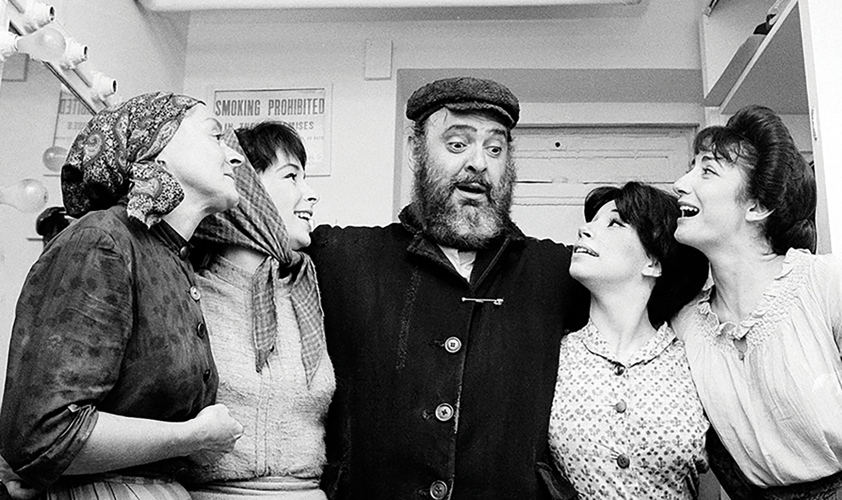
The festival kicks off Wednesday, Oct. 16, at the Belcourt with Fiddler: Miracle of Miracles. This new documentary by Max Lewkowicz tells the story behind the beloved Broadway musical Fiddler on the Roof. The documentary offers a behind-the-scenes peek at how an obscure collection of short stories became a Broadway sensation and an Academy Award-winning film. Fiddler’s themes about tradition and family transcend the Jewish experience, and Miracle admirably looks beyond the stories, the play and the famous film to include a broader social context.

Fiddler: Miracle of Miracles
The Portugese film Sefarad is a historical drama about a period and a people in a place that I never knew existed before reading this movie’s blurb on the NJFF website. Artur Carlos de Barros Basto was an army captain and a Jewish convert who established the Jewish Community of Oporto, Portugal, 400 years after the Portuguese Inquisition. In the 1500s, all Jews who wouldn’t convert to Christianity were forced out of Portugal. The “crypto-Jews” who stayed in Portugal professed loyalty to the Pope while they practiced their religion in secret for centuries. Luis Ismael’s period drama captures candle-lit secret sabbaths in medieval Portugal as well as the fashion and feel of early-20th-century Europe. Sefarad, like Fiddler on the Roof, spotlights themes of history and enduring tradition. But where Fiddler’s drama plays out in barnyards and bedrooms, Sefarad is set in military courtrooms and in the hazy echelons of religious power.
The most intriguing title at the film festival is the documentary King Bibi: The Life and Performances of Benjamin Netanyahu. Using only archival media footage, this polemic film pictures the history and identity of Israel through the lens of its controversial prime minister. This is a film about politics by way of political theater, and it reveals Netanyahu to be a master manipulator of the latter. The film is structured as an adaptation of the book 7 Steps to Fearless Speaking by Lilyan Wilder, Netanyahu’s public-speaking guru during his early years in politics. It’s a brilliant device that frames Netanyahu as a pure and practiced power politico who brought Israeli politics into the 21st century by following his teacher’s maxims and embracing American-style media campaigning.
Rescue Bus 300 is based on the 1984 hijacking of an Israeli intercity bus line as it traveled from Tel Aviv to Ashkelon. Four armed Palestinians took 41 bus passengers hostage, claiming to be armed with knives and a suitcase containing two anti-tank rounds. After a high-speed chase, Israeli military forces besieged and raided the bus. The audacity of the attack and the controversy of what followed scandalized Israeli society. The trailer for Rescue Bus 300 calls this a “docu-action film,” and director Rotem Shamir blends commentary from witnesses and survivors with dramatic re-enactments, punctuated by thrilling action sequences and nail-biting moments in which lives hang in the balance. The hijacking and the rescue raid make for a screen-ready story, but the film’s deeper themes about the complex, often violent relationship between Jews and Palestinians make this movie much more than shoot-’em-up escapist fare.
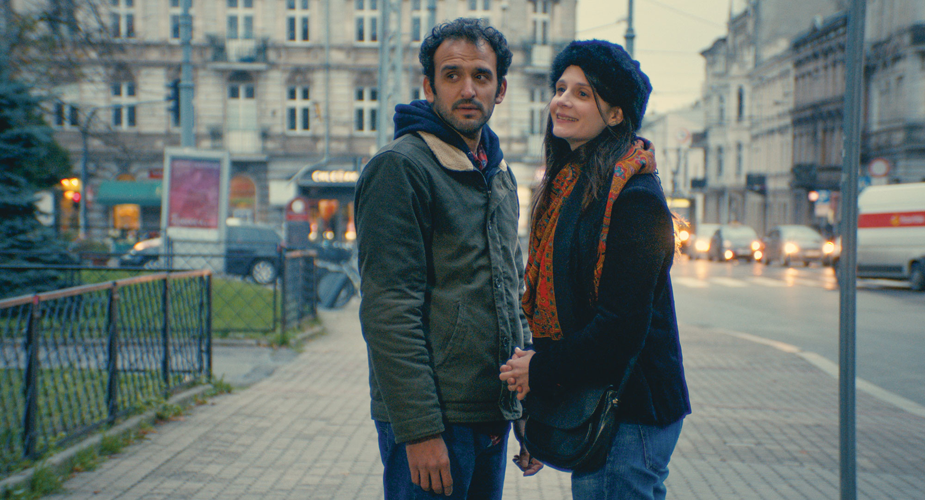
Adam and Anna just got married, and in My Polish Honeymoon they celebrate their union by attending a ceremony in the small Polish village where Adam’s grandfather grew up. Adam is looking forward a romantic getaway with his wife, but Anna becomes obsessed with the history of her own family. This French fish-out-of-water tale by Elise Otzenberger follows the couple’s bumbling, stumbling journey into their families’ pasts. It’s a funny love story about the bigger picture of who we are as individuals, versus in the context of all of those who came before us.
Of course, there’s much more to this year’s Nashville Jewish Film Festival than just those titles. Visit nashvillejff.net to see a complete schedule and to purchase tickets.



