


October is in the air, with confused leaves and porch plants demonstrating the uncertain climate times we’re living in. But in addition to the prevalence of candy and horror cinema as cultural baselines, it’s also the ramp-up for awards season, when films start giving us more than just big-ticket escape. Ever since Cannes back in May, the preeminent film festivals around the world have been unfolding, serving up slices of the world to bring that fall/winter excitement and awareness to theaters all over the planet. I’ve been attending the New York Film Festival since 2002, and NewFest and the Brooklyn Horror Film Festival since 2022, and my goal is always to keep eyes on what’s interesting, transformative, shocking or worthy of attention. And this was a good year.
Hope is not in great supply, I have to tell you, as smoking (not vapes, but full-on cigarettes) is back and just a mode of expression. (So if you’re a fan of international cinema and you’re trying to quit, strength to you.) But we’ve got a lot to ponder even as seemingly every aspect of society is being disassembled by sloppy, hateful forces, and I’m here to make sure you find your way to the good stuff; specifically, the good stuff that’s coming up soon. (The focus here is mostly on the 64th New York Film Festival and NewFest, but we’ll have another festival round-up next month, for what’s coming in 2027 and is still wrangling U.S. distribution.)

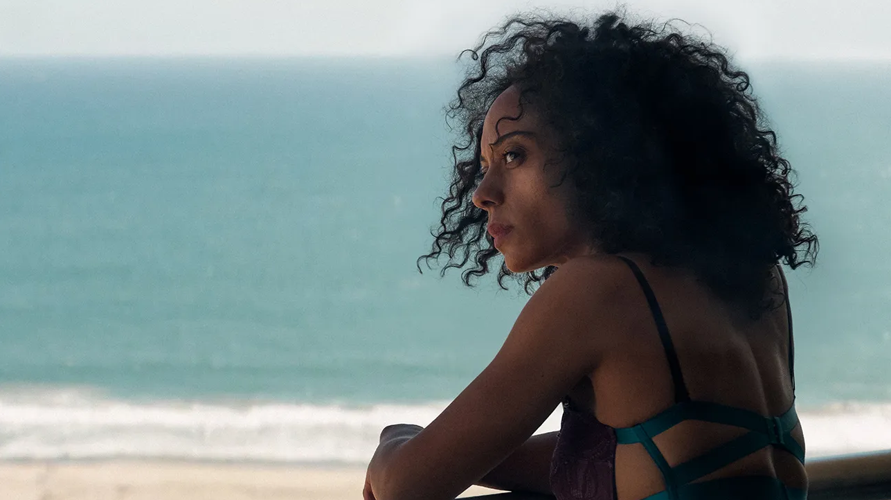
Rosalind Eleazar in Misty Green
Chris Rock’s messy but vibrant Misty Green, with its superb lead performance from Rosalind Eleazar, the unmissable and earthshaking documentary Naza (which shredded my soul, and which Benjamin Netanyahu has been trying to ban), and the 35 mm restoration of Ken Russell’s The Devils have all already had a Nashville engagement. The presence of two films as politically fearless as Naza and The Devils unfolding here in the same week is deeply inspiring. It’s the kind of experience that leaves you having to take several moments and figure out exactly who you are, and it speaks well to our film options.
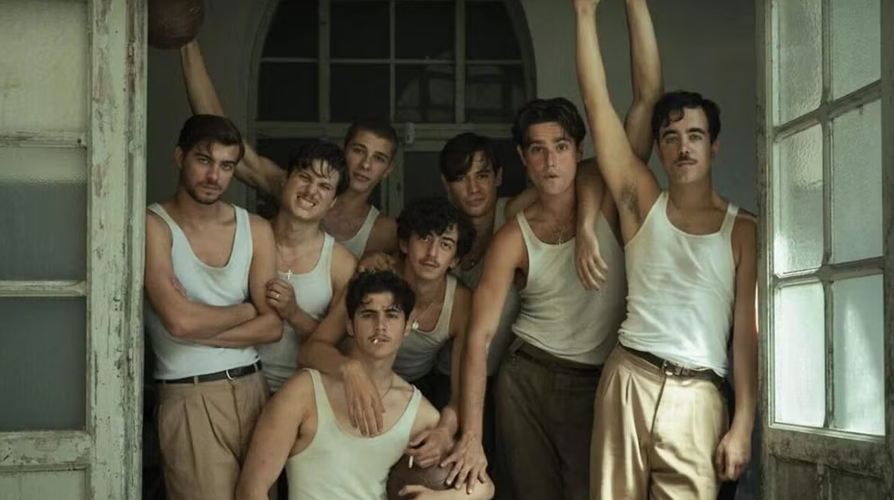
If you haven’t seen Los Javis’ dazzling HBO Max series Veneno, you might be taken aback by their heartfelt and gorgeously baroque La Bola Negra (also at NewFest; at the Belcourt Nov. 6). A chronoskimming look at the tangle of queer lives in and around the Spanish Civil War (as well as its present-day ramifications), this is a heartfelt potboiler in conversation with all the stories that always seem to get erased by history. I want a prequel and sequel involving Penélope Cruz’s showgirl character, and to get real for just a moment: Usually when a film makes a point of restating its thesis so the audience knows exactly what to take out into the world, that annoys me. But not here. There’s a lot for society to learn, some incredible performances and a tonal balancing act that will leave you deeply impressed.

La Bola Negra
Though my dream of someone in a Godzilla suit and tuxedo on the red carpet did not come to pass, there was a very special kind of thrill warding a nor’easter for an early Saturday morning press screening of Godzilla Minus Zero (wide release Nov. 6). For a festival built around the idea that film is a collective and global art form, it is both right and awesome to give Godzilla a place of honor. This reptilian mutate has done so much through the years to get people watching Japanese film, both as cultural icon and brand ambassador for The Cinema of Empathy and Also Stomping. This one delivers everything you could want after 2023’s Godzilla Minus One, somehow finding a path that is both more brutal (emotionally and destructively) as well as a tad sillier. But it works, with moments both adorably cute and shockingly impactful. (There’s one destructive sequence that had the entire theater held in a shocked, silent gasp.)
The most staggering aspect of Once Upon a Time in Harlem (at the Belcourt Nov. 13) is that the gathering of incredible thinkers, artists and shapers of what we know as the Harlem Renaissance happened in 1972, and society has just now caught up to it. Designed and filmed by the legendary William Greaves and ultimately finished by his son David, this is a gathering where you just feel honored to sit back, sip your drink and soak up the discourse and vibe with the knowledge. Also, Greaves understood the intrinsic value of making sure some high-quality haters were represented and able to have their say as well. I can think of several classes stretching across the years that would have been enriched and enlivened by this incredible work.

Godzilla Minus Zero
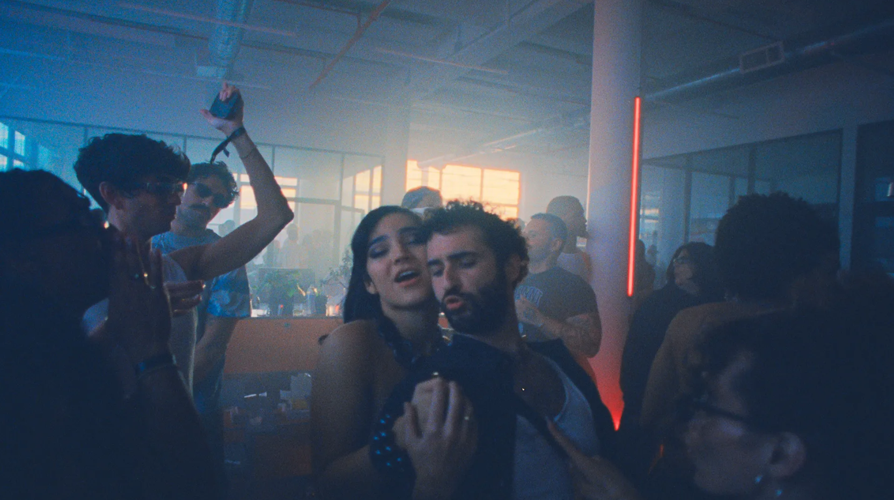
If you know Jordan Firstman only from his internet videos or his expert supporting turns on I Love LA or English Teacher, you need to gear up for Club Kid (also NewFest; at the Belcourt Nov. 19). It is a staggering achievement for a first feature, and the polyhyphenate Firstman impresses as writer-director and star, taking a trope we’ve all seen before (Peter Pan having to grow up when responsibility comes calling) and making it feel real and relatable. But you’ve never seen a film about a party gay who has to reconcile with a kid they fathered a decade prior that is this interested in all the involved parties. Scabrously funny, deeply decadent, heartfelt and in no way averse to delving into what being a complicated queer means when having to navigate traditional social structure, this is kind of a marvel. Maybe there will one day be all manner of films about a 10-year-old who just wants to be a DJ for their dad’s cool, queer friends. But you give me a film that gets this swept up in the propulsive joy of Boytronic’s “Bryllyant,” and I will follow anywhere.
Pedro Almodóvar’s Bitter Christmas (Thanksgiving), while barely a Christmas film, is a slow-burn autocritique that indicates with fire and flair that the writer-director still has surprises within him. A vivisection of the tendencies writers have to embroider their stories with pilfered details from the lives of others as well as a remarkable tonal balancing act, this is elegant and merciless, with an incredible Grace Jones-scored striptease and finely braided skeins of love and regret. Unexpectedly, Radu Jude’s The Diary of a Chambermaid embraces the Christmas holidays and becomes its own kind of new holiday classic, playing games with Octave Mirbeau’s novel of the same name and the expectations of arthouse audiences with a kind and profane heart that puts you through the wringer but leaves you all the better for it.
If you dig on human emotions, and I hope you do, be ready for Dec. 18, when the Belcourt is bringing the one-two punch of Mike Leigh’s Tender Loving Care and Ryûsuke Hamaguchi’s All of a Sudden, which are both exceptional character studies about different kinds of caregivers — specifically pairs of women putting their all into tending to those who society at best shunts aside. Leigh’s film, purportedly his last, is a wine-addled procedural of what it takes to keep kindness and care alive and nurtured at this moment in history. And Hamaguchi’s film, which won the Best Actress award at Cannes for its leads Virginie Efira and Okamoto Tao, is an overwhelming achievement about new philosophies in dementia care, experimental theater, forgiveness and what it means to be alive. When it was over, I just stumbled through the streets and ended up crying on the subway, and the last film to do that to me was Synecdoche, New York.
Clarissa (also NewFest; coming sometime in the first quarter of 2027) is a dazzling film from twin filmmakers Arie and Chuko Esiri, a refraction of Virginia Woolf’s Mrs Dalloway set in the present in Nigeria. Politically fearless and stuffed with several incredible performances (Nikki Amuka-Bird and Sophie Okonedo, as Sally and Clarissa respectively, are exquisite), this is a fascinating work that should delight Woolf enthusiasts as well as anyone who has wanted to dig into Nigerian art cinema. This is a film with a peerless texture game, as well as unexpected dramatic turns from Ayo Edebiri and Ted Lasso’s Toheeb Jimoh, and I can’t wait to see it again with some Woolf experts.
The monoliths that grew inescapable in my festival experiences were the twin five-and-a-half-hour documentaries My Undesirable Friends: Part II — Exile (out sometime this holiday season) and Life of Jorge Luis Borges. Each took up a whole day’s worth of viewing, and that’s just fine. It wouldn’t be fair to try to wedge something else in around them, given the expansive journey each takes. In 2024’s Undesirable Part I, we followed Julia Loktev as she documented the devoted journalists of TV Rain as they attempted to document actual life in Russia under the totalitarian whims of Vladimir Putin, ending just as the invasion of Ukraine sent each of them into exile around the world. Part II is just as overwhelming, but inescapably brutal as we watch seemingly every possible way to get through This World get systematically disassembled before our very eyes. Borges, the latest from the brilliant Argentine polymath Mariano Llinás (La Flor), is a remarkable spiral through the abstract and the concrete of one of the most influential writers of the 20th century, a playful and spiky deep dive that covers seemingly everything without ever feeling exhausting or overwhelming. More than that, it pulls no punches when it gets to Borges in later life, when he was bandying about racist and fascist platitudes. It feels so rare to find a work that makes a point of giving each of the facets of a complex person equal observation, and let’s hope that future biographers and documentarians make a point of Llinás’ approach.



Post a comment as anonymous
Report
Watch this discussion.
(0) comments
Welcome to the discussion.
Log In
Welcome to the discussion.
Keep it clean. Please avoid obscene, vulgar, lewd, racist or otherwise abusive language. Comments featuring hate speech or threatening or violent content will not be tolerated.
PLEASE TURN OFF YOUR CAPS LOCK.
Be truthful. Don't knowingly lie or mislead.
Be proactive. Use the “report” link on any comment that violates our comment policy.
Share with us. We'd love to hear your feedback.