


Given Nashville’s global reputation as a music capital, it’s understandable — if also a little predictable — that the Nashville Film Festival always features music movies on its rosters. Music documentaries like Woodstock and Dig! demonstrate that the lives of music-makers can be as captivating — and as captivatingly captured — as the best narrative cinema. That said, music films, like musical artists, may only appeal to fans of a particular act. Worse yet, they can also reveal that your favorite singer, songwriter or virtuoso musician is somebody you can’t possibly spend even two hours with. I’m usually less than excited by the festival’s music movie offerings, but this year they were the clear standout during a week full of films.
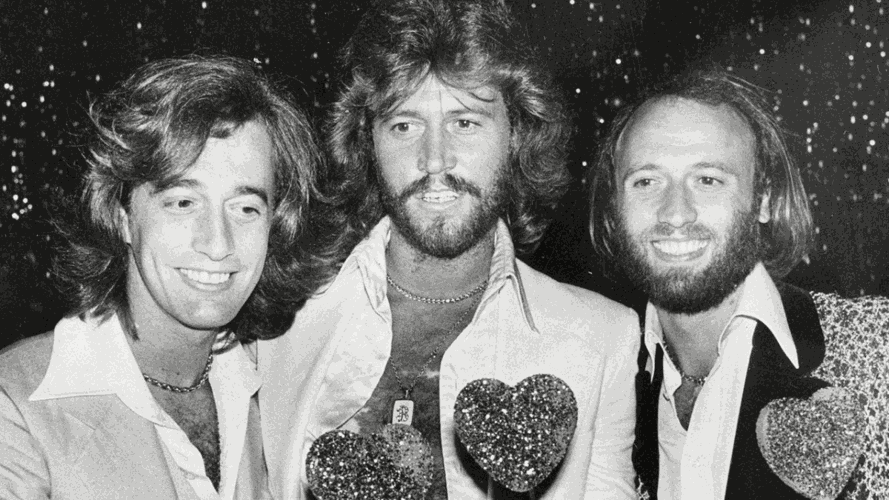
The festival and its tuneful film category got a roaring start with Frank Marshall’s The Bee Gees: How Can You Mend a Broken Heart slated as the online event’s opening-night presentation. One can imagine a packed red carpet for this film in a world sans-pandemic. Barry Gibb himself might have made the trip given the only surviving Gibb brother’s connections to Nashville’s music scene. While we missed out on the real-life razzle dazzle this movie might have generated, there was nearly nothing missing in Marshall’s exhaustive — but never exhausting — exhumation of the Australian band’s decades-long career, and the massive impact The Bee Gees have had on popular music.
Marshall’s approach isn’t groundbreaking, but his storytelling chops are top-notch. The film predictably takes us from the band’s teenage success in Australia to their breakthrough in England where their folk-rock sound finds them hitting the charts and palling around with John, Paul, George and Ringo. The movie traces the group’s developing into a rhythm-and-blues band, and achieving global superstardom with the Saturday Night Fever film and its forever-danceable soundtrack. It also follows up on the backlash against disco and the brothers’ evolution into a songwriting and production team, working with other artists and scoring hits through the 1980s. Along the way, Marshall also reveals the inner workings of the band as they grow as artists and as brothers.
Of course, all of this is expected from a Bee Gees doc, but Marshall’s unexpected touches are what makes this movie special: The behind-the-scenes details of how Saturday Night Fever came together are fascinating, and so is the band’s post-disco evolution — a period of continued creative and financial success that even fans might not be fully aware of. Another great detail is the commentary from Oasis songsmith and guitar slinger, Noel Gallagher. The Gallagher brothers’ success and brotherly combativeness are both the stuff of legend, and Noel Gallagher’s hilarious insights here are one masterstroke in a movie with many.
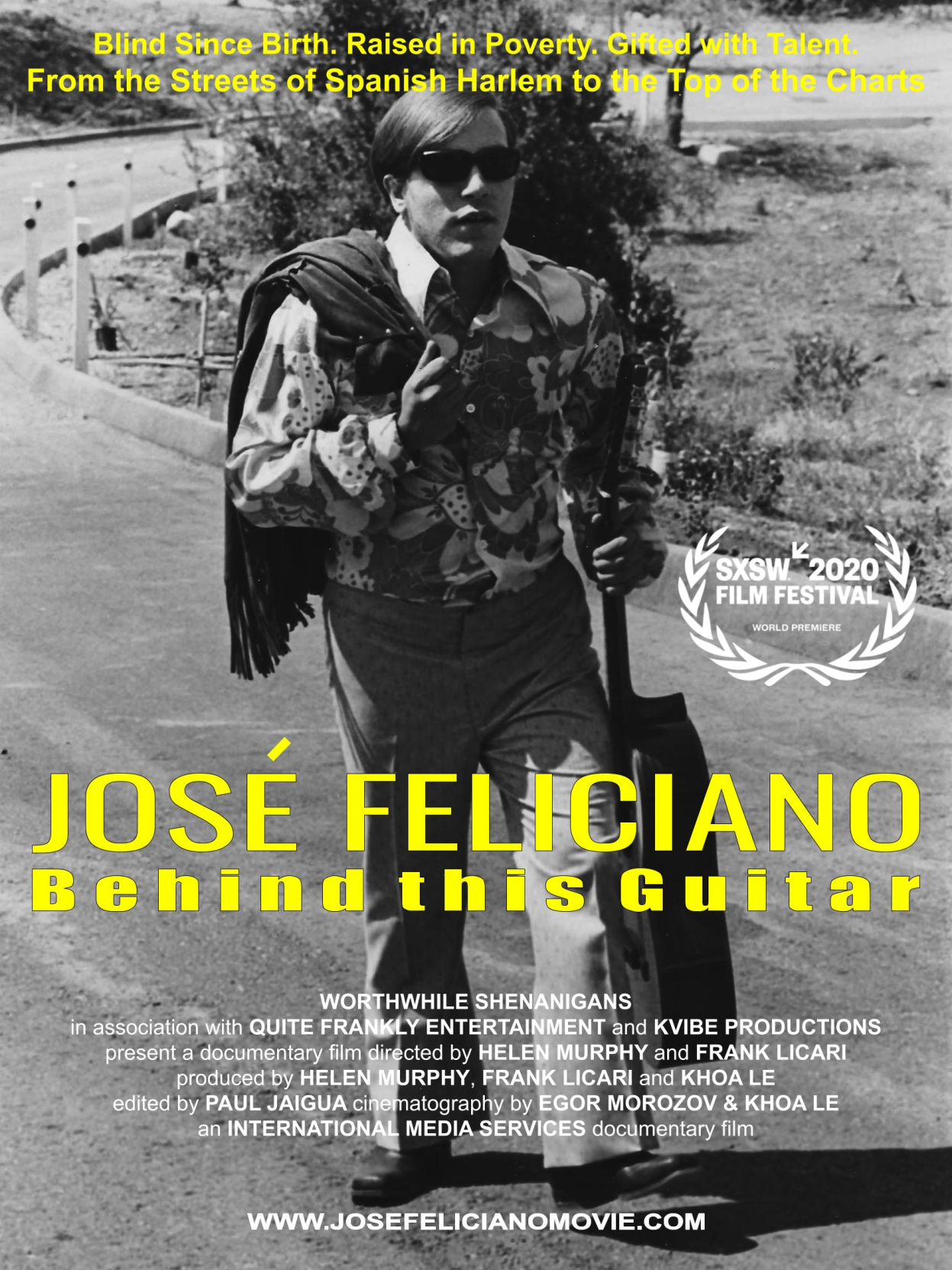
José Feliciano — Behind This Guitar is another festival selection that was brimming with sounds and surprises. Directors Helen Murphy and Frank Licari’s documentary brings the story of guitar virtuoso and soul singer José Feliciano. Some audiences might only know Feliciano for his timeless holiday hit “Feliz Navidad,” but this film often feels like an Odyssean epic. Feliciano was born blind, the fourth of 11 sons in a destitute family in the slums of Puerto Rico. When he was 7, he moved with his family to New York’s Spanish Harlem, where it soon became evident that the boy was a musical prodigy.
Feliciano made his first recording contract after making a splash in New York’s 1960s folk music scene, and one of the highlights of this doc is how it evokes the bohemian atmosphere of those acoustic music performances in smoky coffeehouses. Feliciano became a star with his Latin-music-infused cover of The Doors’ “Light My Fire,” and this documentary presents the singer as a trailblazer who opened doors for generations of Spanish-speaking crossover pop performers. Feliciano delivered a controversial soul music interpretation of “The Star Spangled Banner” before Jimi Hendrix’s performance at Woodstock, and the singer won a string of Latin Grammys in the 1980s while many 1960s folkies — including Bob Dylan — were struggling to stay relevant. Feliciano is still touring and recording, and this film ends with a pitch to induct Feliciano into the Rock and Roll Hall of Fame. If you saw this film during the fest, you know this remarkable artist belongs there.
Nobody Famous was a music documentary full of unknowns, as its subject isn’t generally a household name. Susan Taylor was a member of The Pozo Seco Singers in the 1960s. The singers — including a young Don Williams — found themselves at the center of the era’s folk music revival. They were managed by the infamous Albert Grossman and signed to Columbia Records just like Grossman’s most famous client, Bob Dylan. The singers charted multiple hits, but once the folk fad faded, Williams became a country star here in Nashville. Taylor took on the stage name Taylor Pie, but stuck with folk music, managing a decades-long career at the edges of fame. Director Elizabeth Ahlstrom immerses viewers in the heyday of the 1960s folk scene, and Nobody Famous would make a great double feature with Murphy and Licari’s José Feliciano film. Taylor has a luminous voice, and her childlike enthusiasm for music is still evident in an array of projects she currently manages from her home in Liberty, Tenn.
The Nobody Famous stream was preceded by “The Song,” a short documentary short by Daan van den Berg that follows the late Nashville singer-songwriter David Olney around Amsterdam during a 2018 tour. Olney recites poetry, looks at art, performs live and jokes about a bad back. It’s a colorful portrait that reveals Olney as a curious student of art, literature and history, and the Amsterdam setting helps Van den berg avoid the laziest sorts of Nashville songwriter story clichés. This film was especially poignant given Olney’s passing away onstage in Seaside, Fla., in January.



Post a comment as anonymous
Report
Watch this discussion.
(0) comments
Welcome to the discussion.
Log In
Welcome to the discussion.
Keep it clean. Please avoid obscene, vulgar, lewd, racist or otherwise abusive language. Comments featuring hate speech or threatening or violent content will not be tolerated.
PLEASE TURN OFF YOUR CAPS LOCK.
Be truthful. Don't knowingly lie or mislead.
Be proactive. Use the “report” link on any comment that violates our comment policy.
Share with us. We'd love to hear your feedback.