
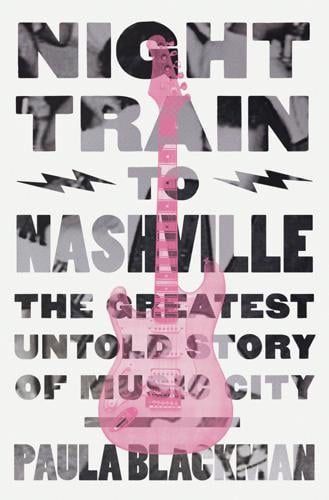

With Night Train to Nashville: The Greatest Untold Story of Music City, Paula Blackman chronicles the history of WLAC, the Nashville radio station remembered for its radical R&B broadcasts during the 1950s, ’60s and ’70s. Blackman’s grandfather, Edward “Gab” Blackman, was an executive at WLAC. In Jim Crow-era Tennessee, Gab had a controversial yet lucrative business idea: play music by Black artists and advertise to a Black audience on the radio. Despite fierce racist opposition, WLAC’s R&B shows became a hit, with Black and white listeners loyally tuning in across the country.
Inspired by her grandfather’s stories, Blackman put 15 years of research into a compelling work of creative nonfiction. The author made space for the perspectives and experiences of Black Nashvillians by featuring revered businessman William “Sou” Bridgeforth as a prominent character. As the owner of a storied North Nashville nightclub, the New Era, Bridgeforth was responsible for giving legends like Etta James, Jimi Hendrix and Little Richard a stage to light up in Nashville. Most exquisitely, Blackman’s book portrays how WLAC and Nashville’s R&B scene brought Black musical expression to the forefront of pop culture in the segregated South.
Blackman answered questions via email.
WLAC’s signal reached almost half of the country. What was the significance of the station’s famed R&B broadcasts coming from the Jim Crow South?
R&B is an offshoot of the blues, and the blues were birthed in the Mississippi Delta. Most of the iconic musicians who were launched on WLAC came directly to the station from the Chitlin’ Circuit (the Black clubs and juke joints that provided the traveling performers their livelihood). Like the bandit who, when asked why he robbed a bank, replied “because that’s where the money is,” the Jim Crow South is where the Black musicians and their audiences were. And no station with any significant reach in this country targeted them.
An important collaborator in writing the book was Harriett Bridgeforth Jordan, the daughter of Sou Bridgeforth. How did the two of you navigate reconstructing your family members’ respective conversations and narratives?
When Harriett and I met in person, we’d already had numerous conversations. The pattern we developed was, after I’d done my chapter outline, we discussed it. She’d clarify the details, correct errors, sometimes in published accounts that were misreported. She provided a more nuanced, personal perspective, including rewording the dialogue. This became a most enjoyable and rewarding experience — for both of us. Today we’re as close as sisters.
What made the legendary nightclub scene in North Nashville such an exciting place to play for Black musicians in the 1950s and ’60s?
Most Black men were manual laborers, and most women worked as domestics. Just knowing they could see someone like Little Richard, B.B. King or Ray Charles at a club on Saturday provided the inspiration they needed to make it through a backbreaking week. There was tremendous joy in the clubs on Fridays and Saturdays and jubilation in the churches on Sunday.
What are your thoughts about Gab building career success from the work of marginalized Black musicians and a mainly Black audience?
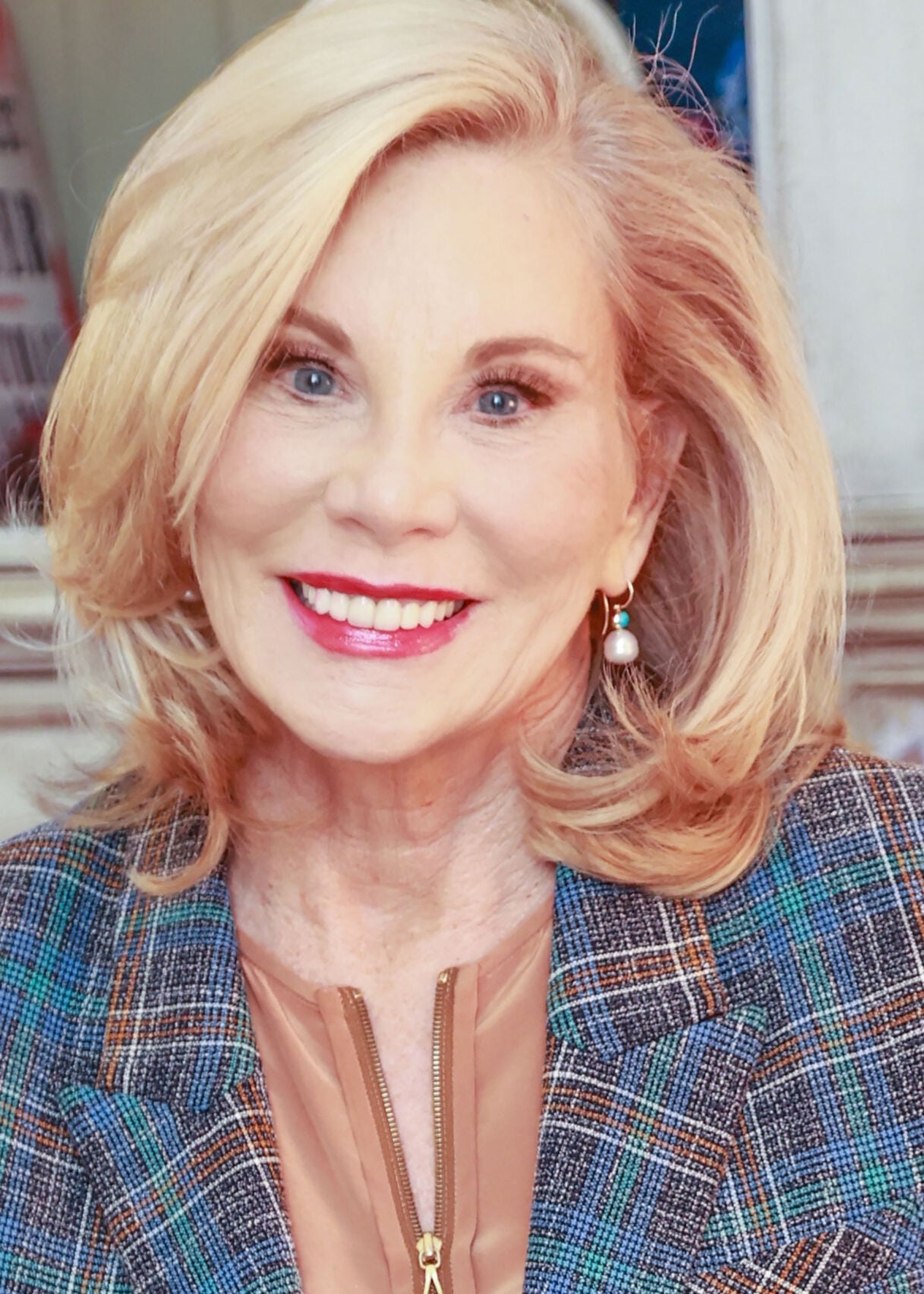
Paula Blackman
One of my friends, a professor at Tennessee State, wrote her dissertation on that subject. Looking at this in retrospect, one would assume the musicians would have been resentful. Her research confirmed my grandfather’s claim that the R&B musicians loved WLAC, the deejays and even the sales staff. WLAC’s broadcast and the multitude of broadcasts that copied their playlists allowed the musicians to earn a living doing what they loved. For that reason, the musicians themselves were the station’s most loyal fans.
The audience, however, was different. They loved the station for the programming but were often taken advantage of by the station’s shameless promotion of huckster products. I don’t believe Gab had many sleepless nights over the shoddy products they sold C.O.D. He considered truth in advertising an oxymoron. If you were “moron” enough to fall for a crazy spiel and order “100 redtop baby chicks” to be delivered through the mail, you learned very quickly to be a more discerning buyer.
Why do you think it’s important for younger generations in Nashville and the South to hear WLAC’s story, especially in such fraught times for Tennessee politics?
Learning from our individual past mistakes — say ordering baby chicks through the mail — is not altogether different from learning from our collective past mistakes.
When we learn from the past, we avoid repeating the mistakes of the past. We avoid becoming a “moron” who will fall for a huckster’s spiel, be that for a product over the airwaves, a bill in the state legislature or the ballot box for the next occupant in the White House.

This year’s festival takes place Oct. 18-22





Post a comment as anonymous
Report
Watch this discussion.
(0) comments
Welcome to the discussion.
Log In
Welcome to the discussion.
Keep it clean. Please avoid obscene, vulgar, lewd, racist or otherwise abusive language. Comments featuring hate speech or threatening or violent content will not be tolerated.
PLEASE TURN OFF YOUR CAPS LOCK.
Be truthful. Don't knowingly lie or mislead.
Be proactive. Use the “report” link on any comment that violates our comment policy.
Share with us. We'd love to hear your feedback.