
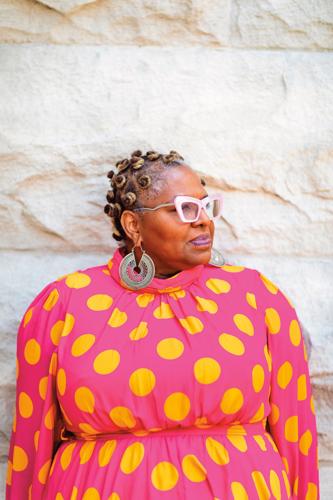

Crystal Wilkinson
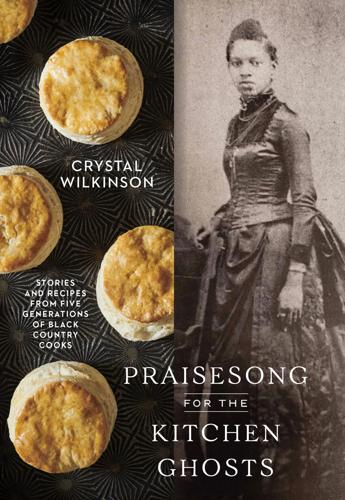
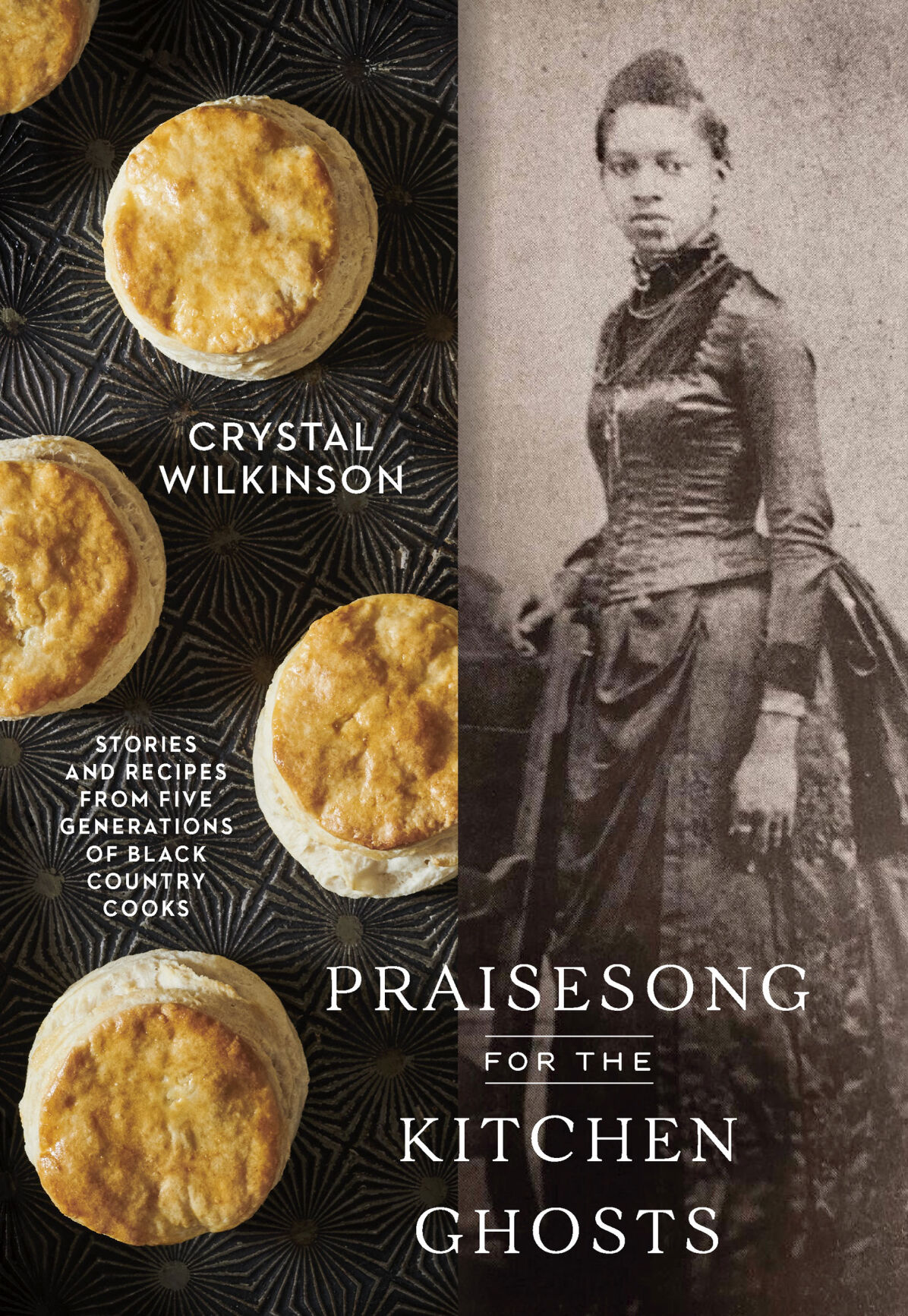
Hailing from Indian Creek, Ky., Crystal Wilkinson is the author of three works of fiction, a collection of poetry and now, a culinary memoir, Praisesong for the Kitchen Ghosts: Stories and Recipes From Five Generations of Black Country Cooks. A banquet of voices, memories, imagination and archival photographs, the new book features dimensions of all Wilkinson’s prior works, each of them rich in sense of place. A former poet laureate of Kentucky, Wilkinson answered questions by email.
Tell us the origin story of this project. Had it been percolating for a long time as you worked on other books?
The concept of the kitchen ghosts has been with me for a long time and has appeared in both my fiction and poetry before appearing directly in my nonfiction. But this specific book began with an essay that had been commissioned by Seana Quinn, editor of Emergence Magazine. The response to the essay was remarkable, with emails pouring in thanking me for the essay and it being shared many times online. A great writer friend and food writer extraordinaire, Ronni Lundy, asked if I was interested in turning it into a book-length project. I initially said no, but the rest is history at this point. I’ve always been interested in the story of my people and their foodways, but I just didn’t expect to write that story myself.
One feature of Praisesong that sets it apart from other culinary memoirs is your creation of the character of Grandma Aggy, whose voice joins a chorus of women’s voices. How did you begin to “hear” her voice, and what would you say her sections bring to this book?
Grandma Aggy represents resilience through slavery and brings the horrible legacy of slavery up close for me and for the reader. I found her in a genealogical search a few years ago while I was in Florida. I couldn’t find much information on her, and I was bereft because I knew why. Because she was enslaved. Because she was a woman. There were few court records, and while her daughter became a famous figure in our hometown, Grandma Aggy was often written into the history books of our town as the slave mother of Patsy Riffe. She haunted me, and it really bothered me that I couldn’t put my finger on her existence beyond her connection with her white common-law husband, beyond her biracial businesswoman daughter. She didn’t exist no matter how hard I searched. But I went to sleep thinking of her and woke up with her voice in my head. Was it spirit? Was it imagination? I’m not sure. Perhaps a combination of both, but she’s been with me since. She is our Grandma Aggy, but she also is an amalgam of women of her time who have never had a voice. It was very important to me to allow her to speak and then in turn to give other women of her time a voice through her.
How did writing this book change you and your relationship to place and family?
I am forever changed by writing this book. I feel as if it’s been a healing exercise in moving through grief and history and family through food. I have always been someone who honors family, but this has taken my homage deeper. Writing this book has been a personal journey, but the most satisfying part about writing it is that so many people outside of Appalachia have been able to relate to it. I’ve enjoyed so much getting people to write about their own kitchen ghosts and how the act of that and embracing heritage and culture shakes something free in all of us.
What other Affrilachian works — or creators, or sites — might you say this book is in close conversation with?
This is a difficult question. I’m not sure it’s in direct conversation with other Affrilachian works. But there is an entire body of work that focuses on African American foodways and Appalachian foodways. Praisesong is hybrid in its approach to craft, so I think it’s in conversation with other culinary memoirs but also with cookbooks and poetic memoirs. I think of writers like Michael Twitty, Jessica B. Harris, Toni Tipton-Martin, Ronni Lundy and of course the great Edna Lewis. But I am also thinking of memoirs and novels that chronicle family life like Lucille Clifton’s Generations, or Michael Ondaatje’s Running in the Family or even Kiese Laymon’s Heavy. These are not books about food, but they all take risks in literary form and use lyricism to tell a story about family.
To read an uncut version of this interview — and more local book coverage — please visit Chapter16.org, an online publication of Humanities Tennessee.

Oct. 26-27 in downtown Nashville, the festival will celebrate literary excellence close to home





