


The Adventures of Buckaroo Banzai
No horror this week. At least, not in this column. May is coming on like a drunken card player keeping their hand very close to their chest, capable of pleasant vibes or unexpected violence with no advance tip to let people prepare. Maybe you can relate to this, but after getting fully vaccinated, the depressive spikes and pits of poking frustration are somehow getting worse. All the paranoid fragmentation is still there, because a lot of people just don’t give a shit, and never even tried to do so. So film-wise, this week is a bit more “up.” No monsters. No mayhem. No allegories for where we are and how it happened. Just three enjoyable films stuffed to the gills with big laughs and a lot of imagination. As always, see more recommendations of what to stream in past issues of the Scene: March 26, April 2, April 9, April 16, April 23, April 30, May 7, May 14, May 21, May 28, June 4, June 11, June 18, June 25, July 2, July 9, July 16, July 23, July 30, Aug. 6, Aug. 13, Aug. 20, Aug. 27, Sept. 3, Sept. 10, Sept. 17, Sept. 24, Oct. 1, Oct. 15, Oct. 29, Nov. 5, Nov. 11, Nov. 26, Dec. 3, Dec. 17, Jan. 6, Jan. 21, Jan. 28, Feb. 4, Feb. 11, Feb. 18, Feb. 25, March 11, March 18, March 25, April 1, April 8, April 15, April 22, April 29.
The Big Crime Wave on IMDb TV
Creative, visionary and resolutely Canadian, this film is like The Saragossa Manuscript of Winnipeg. Crime Wave (“The Big” was added to distinguish it from Sam Raimi’s film Crimewave, also released in 1985) is a nimble and elastic story that reinvents itself at several points during its runtime, even as it achieves something nearly unimaginable. This is a film about a misunderstood artist struggling against doubt and an uncaring industry, and it is never boring, solipsistic or predictable.
Steven Penny (writer-director John Paizs) wants to be a modern — that is, the mid-’80s, though as with all predigital Canadian art, there is a certain timelessness herein — master of the “colour crime” film, and he’s got a gift for beginnings and endings to rival some of the greatest storytellers. It’s just the middles that stymie him, leaving him haunting his own life like a handsome shadow (think Morten Harket in the “Take On Me” video), tossing out pages and pages of possibilities. Thankfully for him (and for the film itself), his landlords’ teenage daughter Kim (Eva Kovacs) has been rescuing those pages from the trash and narrating the film in a tone that anticipates the “It’s a Fact” girl from The Kids in the Hall. She’s an essential part of Steven’s journey, along with the benevolent colony of pacifist skateboarders, kinky moneymen and redneck pear-pitchers who populate this explosively funny and deeply sincere film.

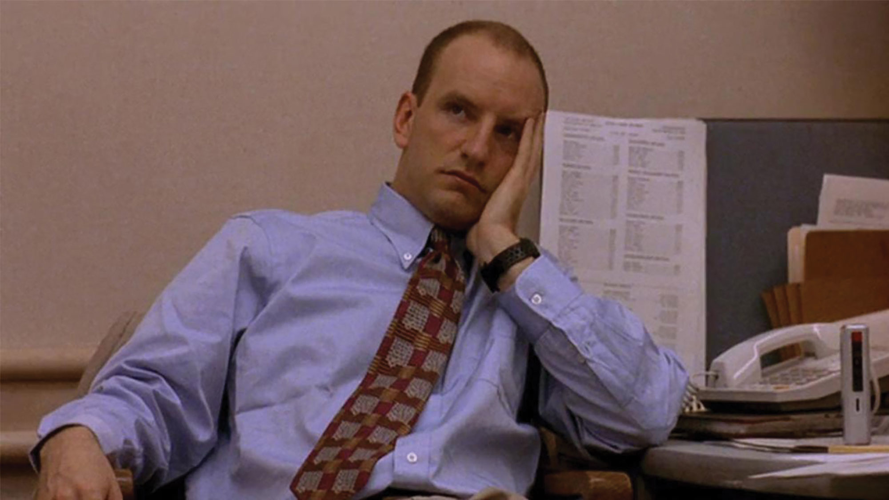
Schizopolis
Schizopolis on HBO Max and The Criterion Channel
Steven Soderbergh turned a midlife crisis into the funniest film of his career with this 1996 epic — a smart and lightly smutty picaresque about disaffected suburban life, psychogenic fugues and the ins and outs of a Scientology analog called Eventualism. Schizopolis is still hysterically funny, but its characters hit much harder 20-plus years down the road. It’s one thing to look at office spaces and relationships that feel like Wile E. Coyote’s large-scale cliffside paintings as something looming in the future, but quite another when you’re soaking in your own 40s.
Despite Schizopolis’ comedic diversions and periodic self-deconstructions, what sticks out the most about this film is how similar it is to David Lynch’s Lost Highway, which was made at the same time. Though both films leap between lives as relationships unwind into oblivion, Soderbergh’s instinct invariably veers toward empathic comedy and opening perspectives. Schizopolis isn’t the operatic tragedy of Lost Highway (or Mulholland Drive, for that matter), but it could just as easily have been. There’s something about Soderbergh starring in this film that lends it a kind of rawness we don’t get in the autocritiques that emerge from post-’70s auteurs. And there was a lot on his mind when he made this film, reckoning with his legacy after a massive, industry-changing hit and then several financial disappointments. The cinematic equivalent of taking the Etch A Sketch of the soul and shaking everything up to start again, Schizopolis is spry and sassy, playful in tone, and willing to do things differently than previously expected. After this would come Out of Sight, The Limey, the one-two punch of Traffic and Erin Brockovich, and Solaris — which is a string of films that is not to be fucked with. Smilesign.
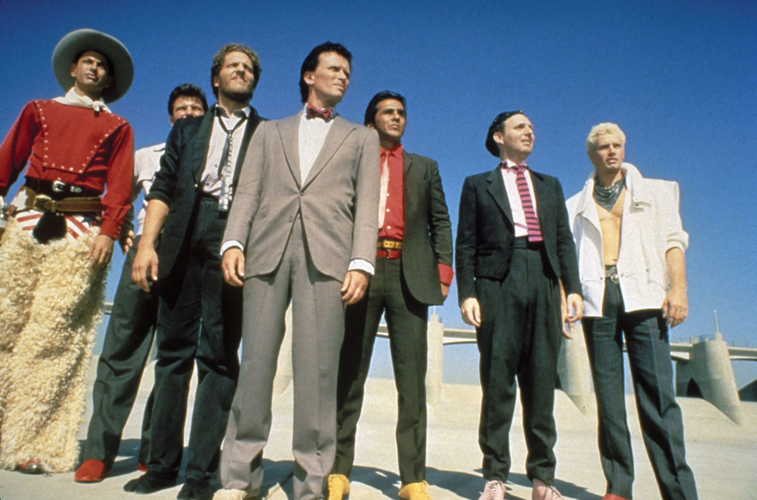
The Adventures of Buckaroo Banzai on Amazon Prime
Dense and complex, this beloved 1984 cult film hits the ground running with its text-based prelude and just doesn’t stop, never making an expected choice or pausing to hold the viewer’s figurative hand. But what’s truly odd about The Adventures of Buckaroo Banzai is that, in what should be in direct opposition to its full-speed-ahead mode of existence, it has a surprisingly welcoming and nurturing vibe. A hangout film that demands multiple viewings before you can really even start to enjoy its daffy pleasures, this was marketed as a sci-fi special-effects spectacular when in reality it’s a collision between Thomas Pynchon and Repo Man.
As the titular brain surgeon/rocket scientist/rock star, Peter Weller is at his deadpan best. Jeff Goldblum is here, but it feels like Goldblumery is one of the main means of discourse the assortment of rockers, politicians and aliens that make the cast utilize to communicate. And playing the assorted factions of the warring Lectroids are beloved character actors like Christopher Lloyd and Vincent Schiavelli, getting really weird with it. As primary Lectroid antagonist Lord John Whorfin, you have John Lithgow going so far over the top he soars above everything else in the movie like a pterodactyl, and it is awesome.
Scientifically, this film would make part of a great triple feature with Howard the Duck and From Beyond, as all pertain to pandimensional human shenanigans, and the various alien presences drawn in by them. It took me years to truly get on its wavelength, but now it is comforting like an afghan on the couch where you’d fall asleep if you stayed up too late watching all kinds of insanity and beauty.



