
There’s a scene in the new HBO documentary Black Art: In the Absence of Light when artist and then-head of Fisk University’s art department David Driskell responds to the mixed reviews of his groundbreaking 1976 exhibition Two Centuries of Black Art. He tells Tom Brokaw that it’s natural that some white critics wouldn’t understand the work, because they didn’t have enough knowledge of the Black experience. That perfectly succinct dismissal of the white gaze illustrates Driskell’s importance — he knew that the lack of Black art in major institutions was simply a byproduct of the white supremacist institutions that had neglected them. In 2021, Black artists are among the most celebrated in contemporary art, and their ideas live within Sam Pollard’s film like Russian nesting dolls, each one housing another. Interviews with Kara Walker, Faith Ringgold, Kerry James Marshall, Kehinde Wiley, Carrie Mae Weems and many, many more fill the documentary with the stories behind some of the best American art ever produced. It’s wonderful to see the film framed around Driskell, who died from COVID last year. His inclusion shows viewers that Black art — and Black Art — has a very specific connection to Nashville, something that’s too often overlooked. Watch it now on HBO Max. LAURA HUTSON HUNTER
Stream Black Art: In the Absence of Light on HBO Max
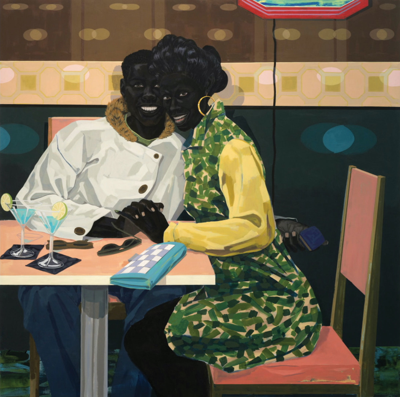
“Untitled (Club Couple),” Kerry James Marshall

