
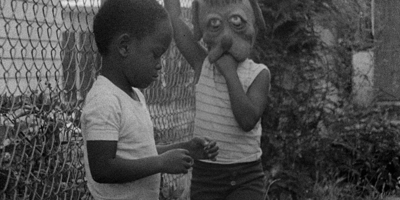
Charles Burnett’s Killer of Sheep is the perfect example of a lost masterwork. Shot in 1973 and played at colleges and festivals in 1977, this black-and-white neo-realistic study of a tired African-American slaughterhouse worker and his family, based in Los Angeles’ Watts neighborhood, didn’t get a proper theatrical release until 2007. (The hold-up was mostly due to Burnett needing to clear the popular tunes he used for the soundtrack.) But Sheep is a masterwork because it’s an independently made film that dared to present African-Americans in a dramatic, intimate, consistently human light. The characters don’t fit the stereotypically black profile: They have thoughts and emotions and fears and worries that were untapped in the blaxploitation-filled cinema of the ’70s. It’s a movie that speaks about black life just as much now as it did then, and it’s something people of all shades should experience. As screenwriter Michael Tolkin once said about Sheep, “If it were an Italian film from 1953, we would have every scene memorized.” The film is showing two times on Wednesday — at 3:35 p.m. and 7:30 p.m. — as part of the Belcourt's ongoing Staff Picks series. CRAIG D. LINDSEY
Staff Picks: 'Killer of Sheep'


Post a comment as anonymous
Report
Watch this discussion.
(0) comments
Welcome to the discussion.
Log In
Welcome to the discussion.
Keep it clean. Please avoid obscene, vulgar, lewd, racist or otherwise abusive language. Comments featuring hate speech or threatening or violent content will not be tolerated.
PLEASE TURN OFF YOUR CAPS LOCK.
Be truthful. Don't knowingly lie or mislead.
Be proactive. Use the “report” link on any comment that violates our comment policy.
Share with us. We'd love to hear your feedback.