
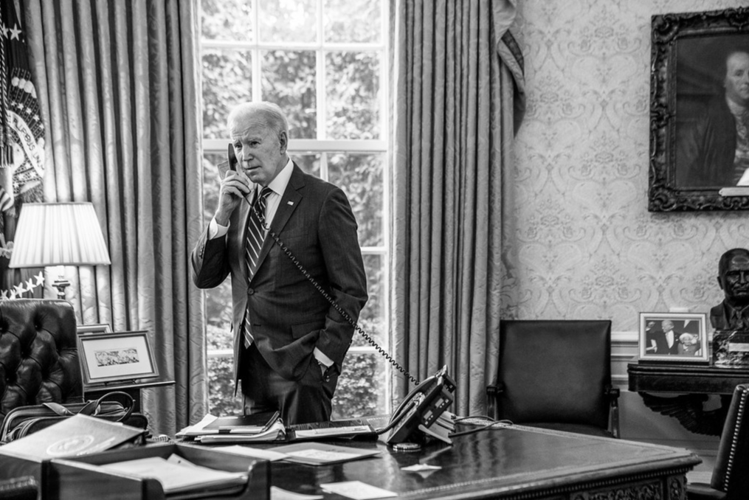

There is no juicier fruit for disciples of presidential rhetoric than the annual State of the Union address. The nation’s most powerful politicians are a live captive audience bearing all the trappings of American power. Every news outlet, including the hostile ones, will run at least a little coverage. Factors like an elderly image problem for Biden and a looming hydra of chaos in challenger Donald Trump, currently polling evenly with the incumbent, added pressure to Thursday’s prime-time speech.
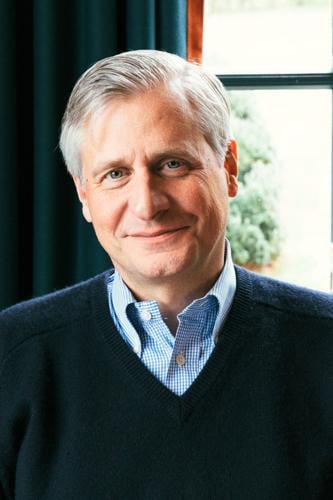
If you don’t have time for Biden’s 100-minute delivery, Jon Meacham’s seven-minute interview with Gayle King and Charles Barkley on CNN the day before is an almost perfect thematic substitute. Both stressed democracy under siege, America’s precarious future, the moment’s desperate wakeup call — all heralding a moment unprecedented but important to compare to FDR’s 1941 State of the Union and Lincoln’s run in 1860. (Both came before big important wars.) The journalist-turned-biographer, who has a Georgian mansion in Belle Meade and a cushy appointment at Vanderbilt, has become one of Biden’s primary influences as the president animates his campaign with his own brand of rosy nationalism.
By the time he gave that CNN interview, Meacham knew enough to stay on message. The president has tapped him to help draft at least the past two States of the Union, tried to formally hire him and relentlessly mined Meacham’s 2018 bestseller, The Soul of America: The Battle for Our Better Angels. Its message, like most Meacham material, fits American history into a long arc of good overcoming evil. Meacham leads the clique of historians regularly consulted by Biden, a group that includes prominent academics like Heather Cox Richardson and Annette Gordon-Reed, who bridge the gap between Amazon and academia with intellectually rigorous writing made for popular audiences on the keystones of American history. Various national outlets reported that Meacham was the resident historian informing Biden’s writing team in the weeks leading up to Thursday’s speech.
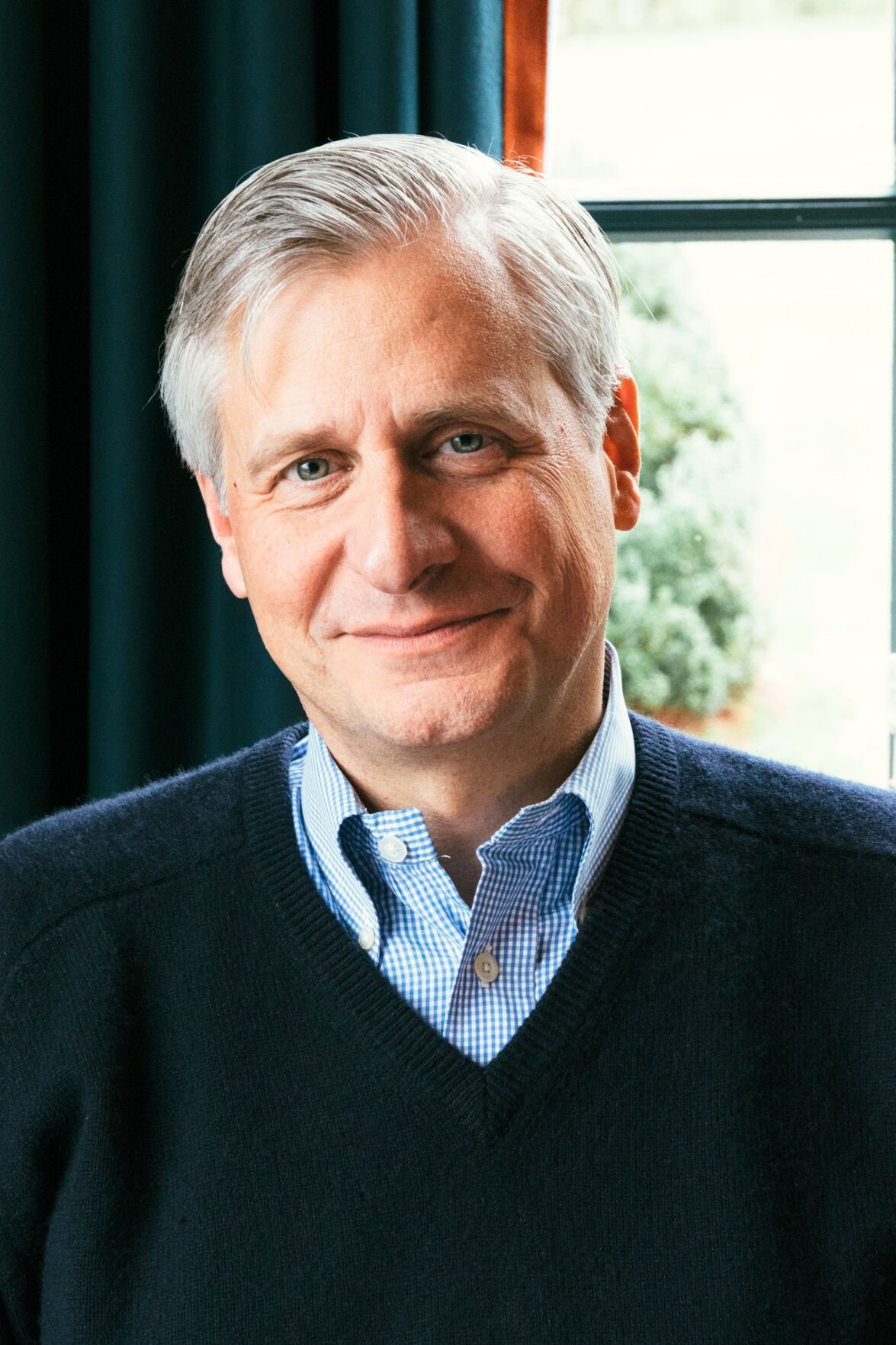
Jon Meacham
“The most valuable thing for a president to have around him, when it comes to intellectuals, are people who tell him things he doesn’t want to hear,” writer Rick Perlstein tells the Scene.
Like Meacham, Perlstein gained prominence as a historian-journalist comfortable with print but lacking the formal academic training of a Ph.D. He makes the point that presidents court historians like Arthur Schlesinger Jr., a JFK confidant and Vietnam cheerleader, rather than Garry Wills, a Pulitzer laureate who fell out of White House favor in the early 2010s after criticizing Obama’s stance on Afghanistan.
Meacham went from Chattanooga’s tony McCallie School to Sewanee to beltway journalism, quickly rising to the top of Newsweek in the 1990s. Since then, his books have made Meacham a dutiful bricklayer of nonpartisan nationalism. His biography of fellow Tennessean Andrew Jackson, American Lion, launched Meacham into the literary stratosphere with the 2008 Pulitzer Prize for Biography, wildfire sales and HBO miniseries rights (since stalled). Reviews gave props for how Meacham folded in Jackson-related primary sources, like private letters and papers, kept around Nashville.
Meacham followed with works on Thomas Jefferson, George H.W. Bush, John Lewis and Abraham Lincoln, and surveys on American music and impeachment. Through them, Meacham chronicles America through the decisions of its important men hunched over desks lit by candles or oil wicks (or fluorescent lamps, maybe, for Bush). In 2021, his work culminated in an endowed position at Vanderbilt’s new Rogers Center for the American Presidency, founded and funded with Meacham top of mind. He also continues a parallel career on the lecture circuit that includes regular cable news appearances and high-profile interviews that give Meacham credibility as an American expert.
His subjects come across as hearth keepers for the noble patriotic flame, a precious mission shared by all countrymen that has something to do with the Founding Fathers, freedom, bravery and human dignity flowing from core philosophical tenets unique to the United States — the “only nation founded on an idea,” Meacham likes to remind audiences. It’s perhaps not a coincidence that Meacham, a committed Episcopalian, constructs patriotism like a religion, appealing broadly and eliding contradiction. While America’s soul never gets defined too specifically (details might force Meacham to shed his post-partisan identity), evils such as the Ku Klux Klan and Donald Trump test it often.
An encyclopedic historical recall and deeply studied presidential biographies give Meacham immense value to Biden. The two openly embrace American exceptionalism and share a disdain for Trump, Biden’s political opponent and Meacham’s Lucifer, whose chief sins are contesting election results and marching on the Capitol. Perhaps Meacham's Chattanooga drawl and Belle Meade gentility give Biden the impression that he’s appealing across aisles and states. Meacham is probably a better conversation partner than the polls, which tell an arduous tale about the eight months until Nov. 5.



Post a comment as anonymous
Report
Watch this discussion.
(0) comments
Welcome to the discussion.
Log In
Welcome to the discussion.
Keep it clean. Please avoid obscene, vulgar, lewd, racist or otherwise abusive language. Comments featuring hate speech or threatening or violent content will not be tolerated.
PLEASE TURN OFF YOUR CAPS LOCK.
Be truthful. Don't knowingly lie or mislead.
Be proactive. Use the “report” link on any comment that violates our comment policy.
Share with us. We'd love to hear your feedback.