
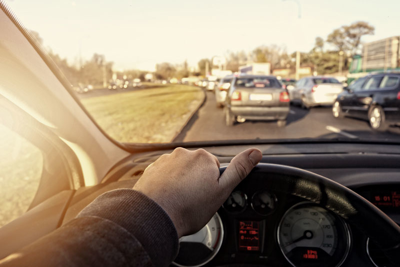

Let's say you order a car to drive you from Sylvan Park on the West Side to Five Points in East Nashville for drinks on a Friday night. Or maybe you request a car from your house off Nolensville Pike on a Tuesday afternoon, but it never comes.
App-based ridesharing services such as Uber and Lyft — which have been operating in Nashville for nearly a year — have all that data. And as cities welcome the companies in and draw up regulations for them, there are those who argue that local governments should make them hand over the data.
In recent weeks, Uber has seemed bent on exposing itself as the last company you'd want to have access to your travel patterns. Earlier this month, Buzzfeed reported an Uber executive's suggestion at a dinner party that the company could hire a team of researchers to dig up dirt on critics in the media. In a subsequent story, Buzzfeed spoke to two former Uber employees about a company tool called God View "which shows the location of Uber vehicles and customers who have requested a car." The former employees told the website that this all-seeing eye was "widely available to corporate employees." A few years back, a post on the company's blog called "Rides of Glory" explained how the company had examined its data to track one-night stands.
The federal government, of course, has not proven much more trustworthy. But given that the presumption of privacy is fading away in all areas of life anyhow, some say this vast amount of information could be used by local governments for a better purpose.
A piece on The Washington Post's Wonkblog last month argued that the data could be a "treasure trove" for cities, who could use anonymized versions to acquire "a sophisticated picture of how people move around" the city and to "verify that Uber drivers aren't discriminating against certain neighborhoods or disabled passengers." Anonymized payment data, Wonkblogger Emily Badger wrote, could also give the public a better idea of the quality of the jobs created by services like Uber and Lyft.
Regulations for those services are currently working through the Metro Council. As in other cities, though, the proposed rules don't make many demands when it comes to the data Uber and Lyft will have about their drivers, riders and operations. Transportation Licensing Commission director Billy Fields tells the Scene that sort of data access didn't really come up as the regulations were being drafted. Metro is seeking access to the data only on an as-needed basis.
"The only concern we had was, if there was a need for us to check on a specific trip, that we would have access to the information regarding that trip," Fields says.
In the event of an incident that needs to be investigated, tracking the movements of a driver, rider or car would be relatively easy with the company's cooperation. Metro asks for the same cooperation from taxi companies, and after a recent change, they should be more able to provide it. In response to the unsolved death last year of Livia Smith, whom witnesses reported last seeing when she got into a yellow cab in East Nashville, the commission now requires all cabs to have a GPS tracking system.
Email editor@nashvillescene.com.



