
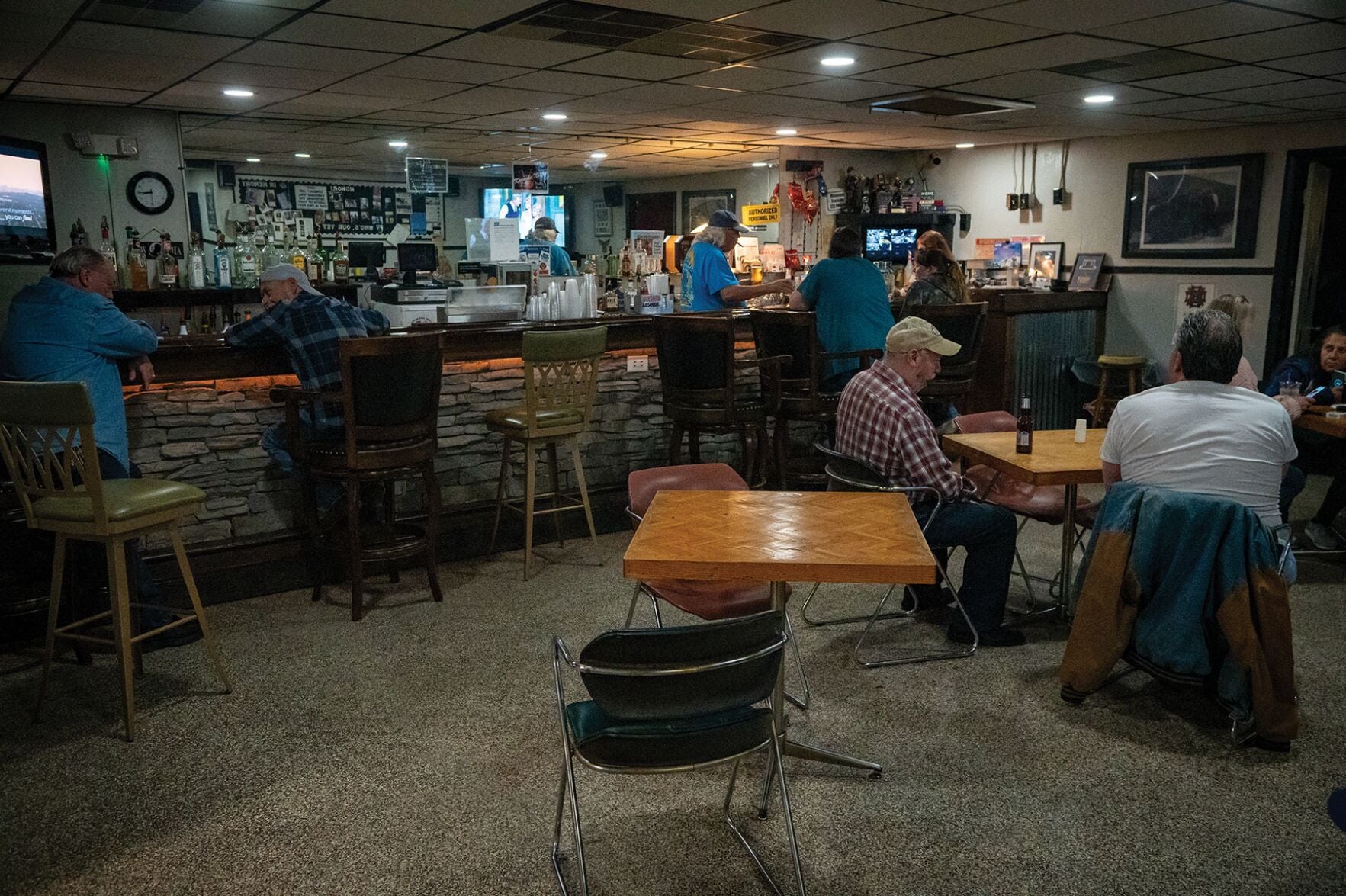
Tony Jennette, a 72-year-old Vietnam Veteran and Nashville native, has been coming to the Veterans of Foreign Wars Post 1970 for 52 years.
“I was in Vietnam out in the jungle, and they sent me a care package,” Jennette tells the Scene. “They were trying to get members. They sent me a care package with two cans of mustard sardines, some Wyler’s lemonade mix and a VFW card.”
The VFW is a nonprofit organization originally founded in 1899 to arrange services for veterans of the Spanish-American War and the Philippine-American War. Today it continues to help connect veterans to social services, including health care, disability assistance and education, and it advocates for legislation like the PACT Act and the GI Bill. The first three words of the VFW’s mission statement are “To foster camaraderie” — it’s a mission that often played out in post cantinas, though that’s seemingly becoming harder to accomplish.
The Charlotte Pike VFW location, founded in 1968, is one of two in Nashville, and one of 6,000 internationally, according to the VFW website. The 4.24-acre property was listed for $9.5 million in June. It has been rezoned to allow the buyer to redevelop the site with a mixed-use building with up to 216 residential units.
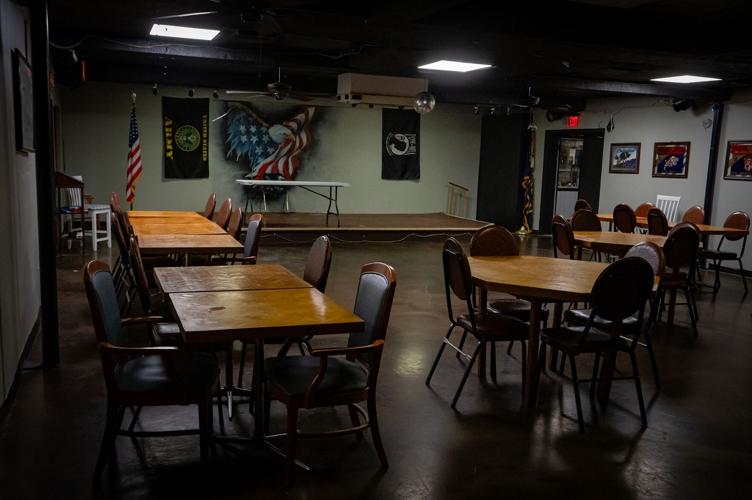
Benny Marshall, quartermaster of VFW Post 1970, tells the Scene the post plans to relocate in the West Nashville area. He hopes to have a more modern bar area, more seating, a larger kitchen and a new stage. A new location will be free of plumbing and electrical issues, but will also lack the hand-painted patriotic murals, the stage where John Rich filmed a forthcoming music video and the residual cigarette smoke and ambience that the current location offers. The newness could leave behind a few regulars too.
A veteran of the first Gulf War, Marshall started coming to the VFW while renting kitchen space for his company, Cobbler Creations. Marshall wants to diversify the income of the VFW by offering space for food trucks to cook and store food outside of the vehicle (as required by law) and camping space for traveling veterans.
“The Vietnam vets are getting old,” Marshall says. “They’re in their 70s and 80s. There’s fewer and fewer of them coming in. We’re trying to attract a younger crowd.”
Jason Quigg currently serves as commander of VFW Post 1970, where he oversees operations. He has held several elected leadership roles in the organization since he joined in 2018. Quigg retired from the U.S. Army in 2021 with the rank of a sergeant first class after 26 years of service.

“It’s hard to get both younger veterans in their 30s and younger, or even in their 40s, [to join] because of the environmental and economical change in our society,” says Quigg. “It’s just been challenging trying to communicate to that younger generation that we’re here for you as well, and the more you’re involved, the more benefit your generation is going to have in the future.”
During the pandemic, members redecorated the cantina, and in the past few months they’ve started serving food again. Post 1970 does service work, from toy and food drives to collecting items for veterans in need. They’ve also fulfilled other community needs such as helping with cleanup efforts following the deadly March 2020 tornado that devastated parts of Nashville and beyond. They have ice cream socials, chili cookoffs, steak nights, karaoke nights and football watch parties — but they don’t have an advertising or outreach budget to speak of.
Jennette says when he first started coming to the VFW he benefited from hanging out with the older veterans, but the cycle seems to have ended now that he’s the older guy.
“The young ones, they don’t care,” he says. “They don’t ask me much. This place ain’t got no windows, and it seems like there’s not enough stuff to do in here to keep a young person occupied. They’d rather go uptown and pay $9 for a beer than pay $3 here. We’d love for young people to come. … We got a pool table, but it just ain’t enough to keep ’em going. I guess there’s not enough people their own age.”
Quigg says he hopes a younger generation of servicemembers and veterans can help keep the VFW alive by embracing the internet and social media platforms to help grow membership.
Guests are welcome, and civilians with direct familial relationships to veterans who served in overseas combat zones can also support the VFW and their members through the VFW Auxiliary.
“Everybody thinks when they were growing up, the VFW was just this smoky bar my grandfather went to, not fully understanding the full purpose of our national charter,” Quigg says. “Once they’re out [of their military service], they think, ‘I’m just out, there’s nothing else for me,’ and it’s just not that way.”





Post a comment as anonymous
Report
Watch this discussion.
(0) comments
Welcome to the discussion.
Log In
Welcome to the discussion.
Keep it clean. Please avoid obscene, vulgar, lewd, racist or otherwise abusive language. Comments featuring hate speech or threatening or violent content will not be tolerated.
PLEASE TURN OFF YOUR CAPS LOCK.
Be truthful. Don't knowingly lie or mislead.
Be proactive. Use the “report” link on any comment that violates our comment policy.
Share with us. We'd love to hear your feedback.