

Street View is a monthly column taking a close look at development-related issues affecting different neighborhoods throughout the city.
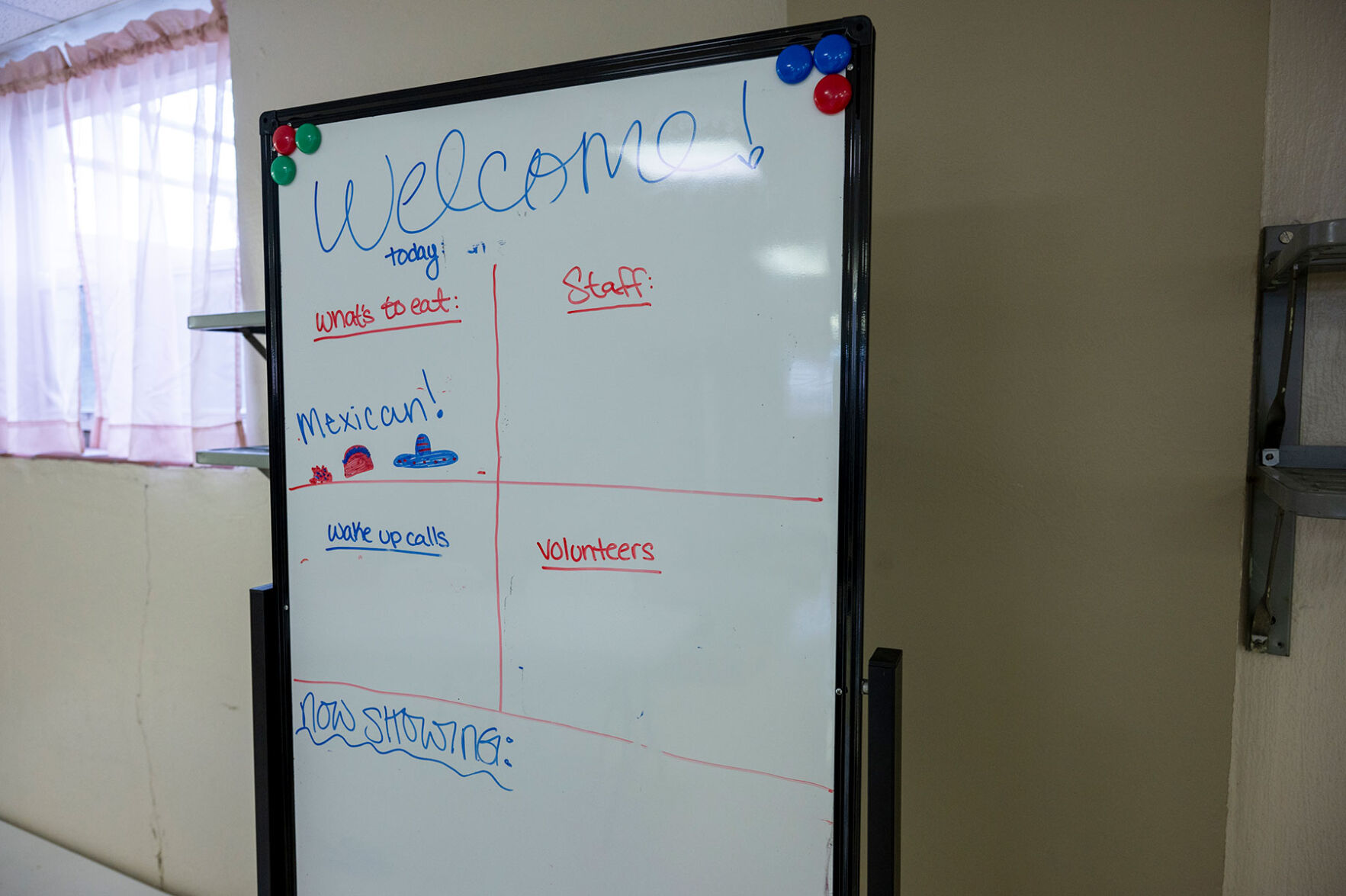
Christmas Day at Nashville Launch Pad’s cold-weather shelter looks a lot like the holidays in many places. Guests can sleep in and watch movies. They eat whenever they feel like it and take naps in the middle of the day, says Corrine Elise, Launch Pad’s associate director of engagement and administration. There are even gifts to open. “There’s a celebratory nature of being together, and not having to leave that day,” says Elise.
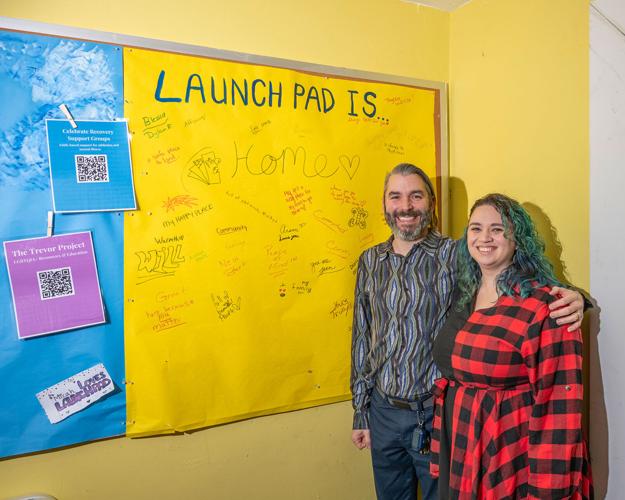
This sense of normality is one of many services Launch Pad provides to housing-insecure young adults ages 18 to 26. Their mission is to “create a network of temporary, safer, street-free sleeping shelters for unhoused young adults which are open and affirming to LGBTQ+ individuals and their allies.” In the past 10 years, Launch Pad reps say they’ve served more than 1,600 people.
Launch Pad
LGBTQ people are particularly at risk for housing insecurity: A 2018 University of Chicago study found they were more than twice as likely to experience homelessness as other members of the general population. For transgender and non-gender-conforming people, the numbers are even higher.
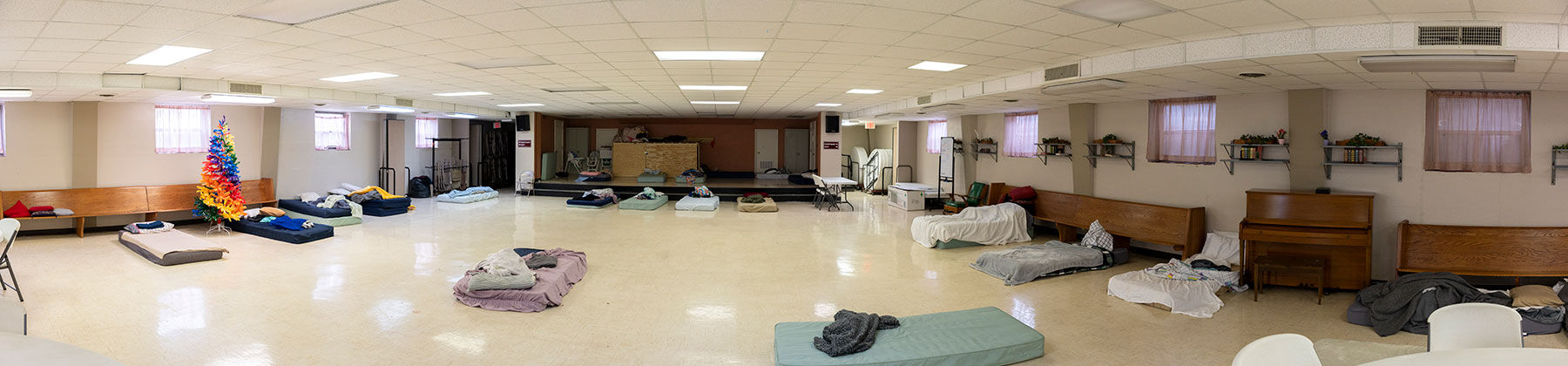
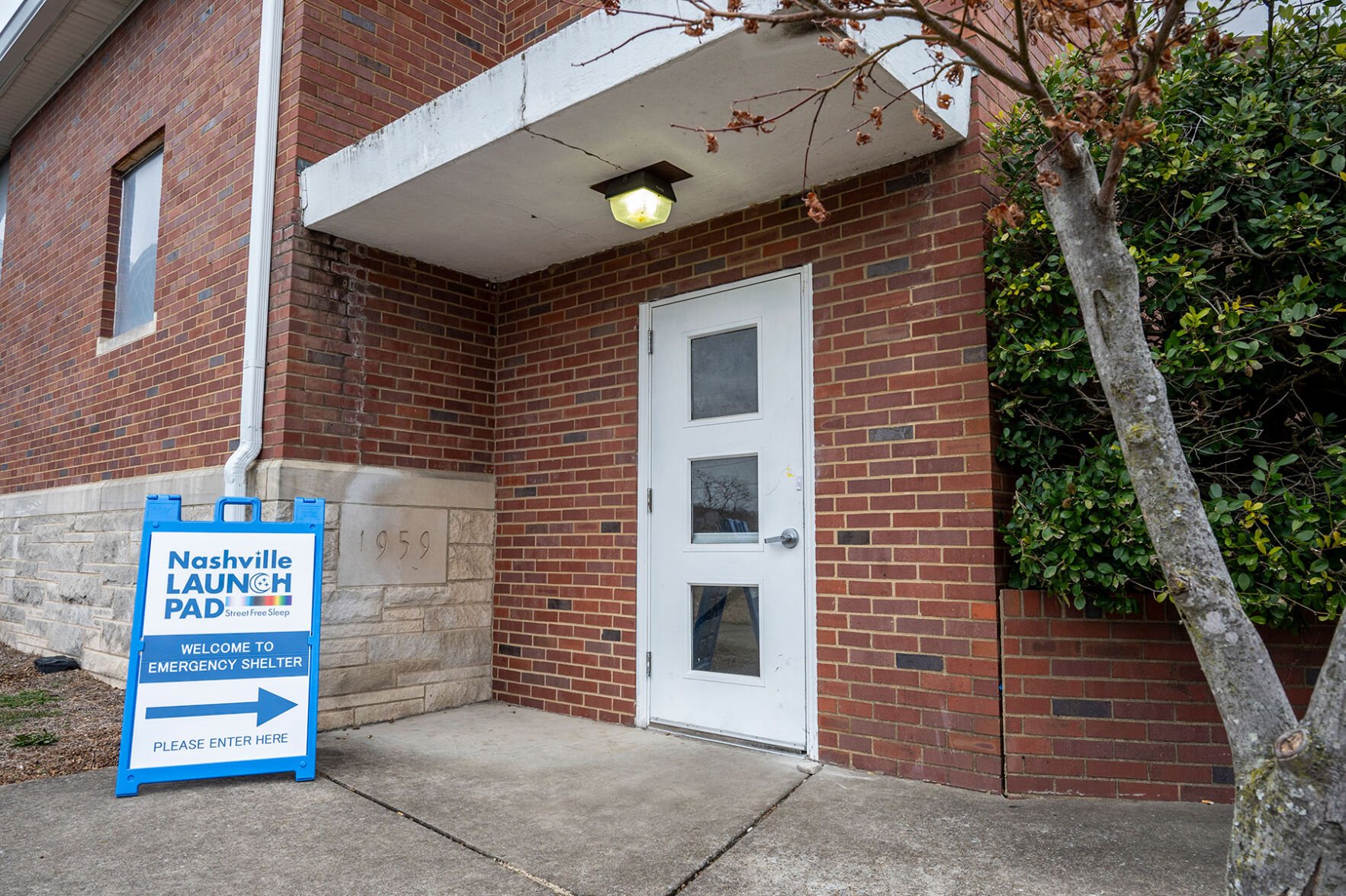
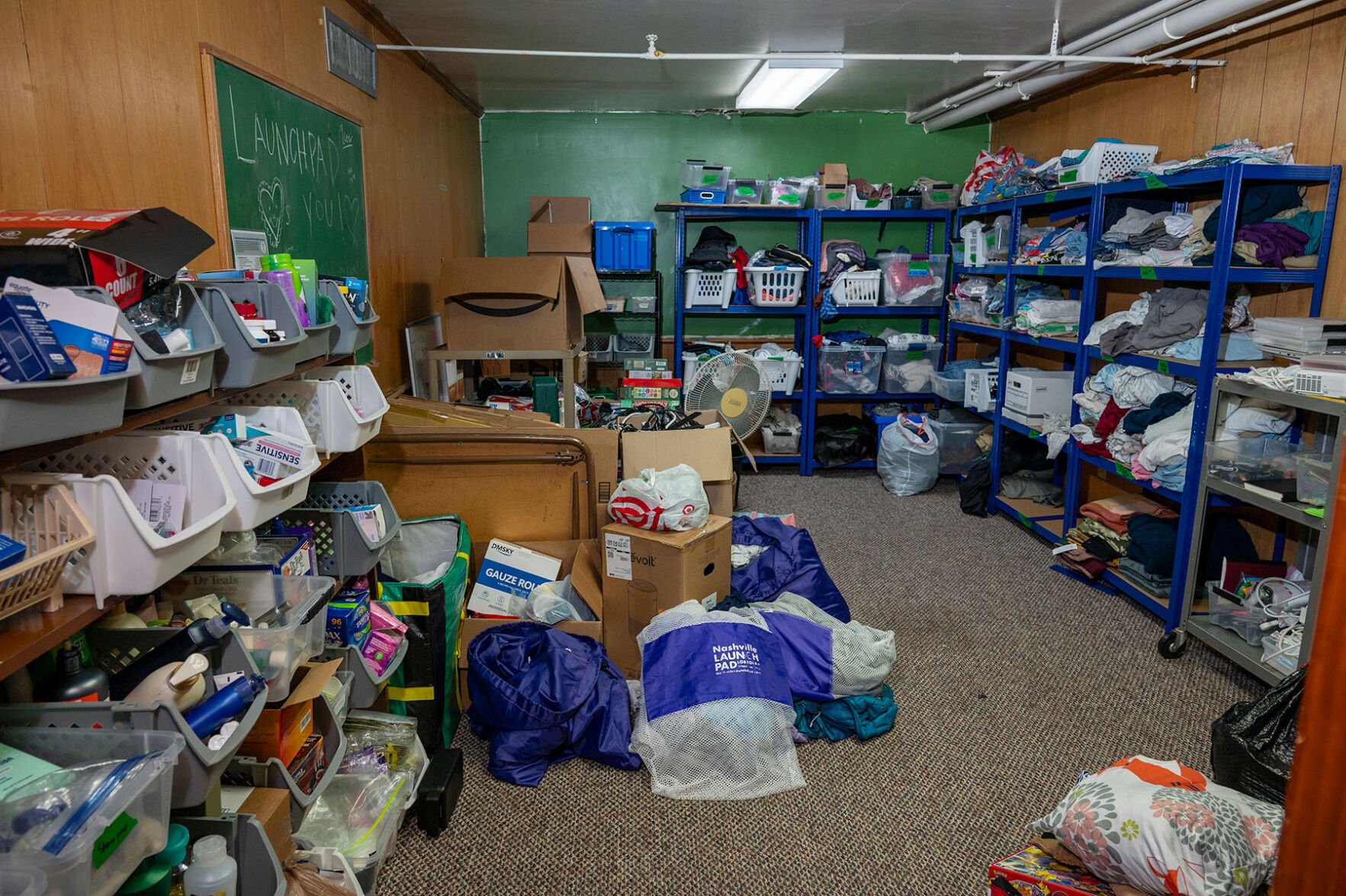
Launch Pad started as an occasional emergency shelter on cold-weather nights. It was “a pizza here, a night on the church floor there,” says H.G. Stovall, Launch Pad’s executive director. In 2014, community members came together with help from the Music City Sisters of Perpetual Indulgence (a local chapter of the nationwide group of drag nuns), the Rev. Becca Stevens (who founded local charity Thistle Farms) and a few local religious organizations. The organization quickly grew from the occasional cold-weather shelter to a full-time winter shelter that operates seven days a week. Now, between Nov. 1 and April 1, Launch Pad provides a place to sleep for the night, including a bed, a hot meal, a shower and some basic supplies. Two local churches provide space for the program, which can accommodate up to 20 people (or 25 during the city’s designated extreme cold-weather nights).
Launch Pad
The emergency shelter is Launch Pad’s largest program with the lowest barrier to entry: It’s open to anyone ages 18 to 26 who needs a place to sleep. And the program is growing rapidly. Last year, Launch Pad hosted a total of 95 people at the shelter between November and April. This year, they’d already hosted 80 people by Jan. 1.
Launch Pad also provides supportive living through a mobile housing navigation center, a dorm-style program where residents stay an average of 120 nights, and desk chairs, storage and community spaces. The organization also provides access to case workers and runs independent supported living in apartments for six months at a time with similar supports in place.
Launch Pad
It’s clear that the need for Launch Pad’s work is significant. But it’s less clear how that work might change under the Trump administration. Last time Trump was in office, the Department of Housing and Urban Development rolled back a number of protections for LGBTQ people seeking shelter, even proposing a change to the Equal Access Rule, which legally protects transgender people seeking shelter accommodation.
Some impacts of the incoming Trump administration “have already begun to show,” says Stovall, as “corporations we have leaned on to serve communities like ours have already begun to fall.” While he says it’s “perfectly rational to expect that we might find a ban on LGBT shelters,” he stresses that Launch Pad wouldn’t be impacted by that ban because it’s not an LGBTQ-only shelter. “We are a place of mutual respect,” Stovall says.
Launch Pad
Stovall expects that Launch Pad will lose some volunteers and supporters who have the ability to leave Tennessee for places where they feel more safe, particularly if they or their children need to receive gender-affirming health care.
Elise says that while many volunteers at Launch Pad’s training assume people become homeless due to a of lack of resources, most young LGBTQ people become homeless due to a lack of acceptance: The top reasons listed in a recent survey by the Trevor Project were being forced out or having to run away from home, family issues, and mistreatment at home — often because of their LGBTQ identity.
“With an administration that is emboldening people with those perspectives, I unfortunately think that could lead to an uptick in the number of guests,” Elise says.
But whatever happens, Launch Pad will still be there in any capacity it can be — serving a hot meal and providing a safe place to sleep for many people who desperately need it. Organizers will keep leaning on the help they receive from local churches, the Society of Friends, local Jewish congregations and community members like chef Arnold Myint from International Market, who has cooked a hot meal for the cold-weather shelter every week for years.
Elise tells the Scene that Launch Pad is always looking for more community involvement. People can volunteer in the mornings or evenings at the cold-weather shelter, provide a hot meal, purchase items off the Amazon wish list on Launch Pad’s website or make a monetary donation. Launch Pad is also eager to hear any creative collaboration ideas people have.
Most of all, says Stovall, the young people at Launch Pad just need “someone to care.” “If they could have found someone who cared enough, they wouldn’t need us,” he says. “Someone who cares makes all the difference for these young people.”



Post a comment as anonymous
Report
Watch this discussion.
(0) comments
Welcome to the discussion.
Log In
Welcome to the discussion.
Keep it clean. Please avoid obscene, vulgar, lewd, racist or otherwise abusive language. Comments featuring hate speech or threatening or violent content will not be tolerated.
PLEASE TURN OFF YOUR CAPS LOCK.
Be truthful. Don't knowingly lie or mislead.
Be proactive. Use the “report” link on any comment that violates our comment policy.
Share with us. We'd love to hear your feedback.