

Tom Hambridge
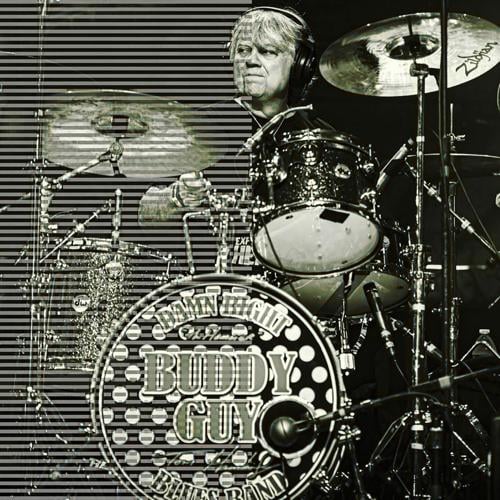
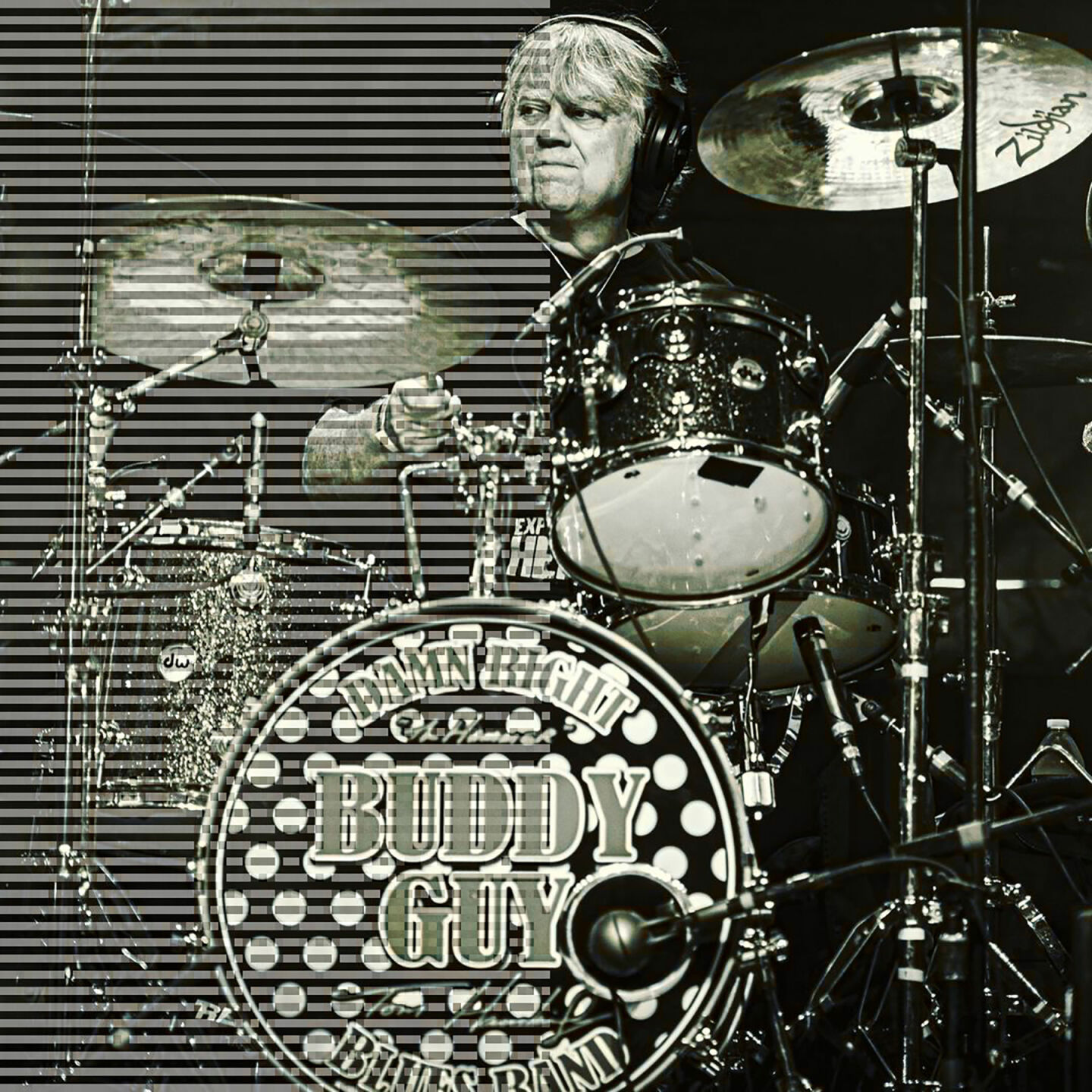
Drummers rarely get their just due in blues circles, but Tom Hambridge is certainly among the exceptions. He’s rightly achieved substantial recognition not only as a rhythm master but also as a gifted songwriter and great producer. He considers the drummer’s role in the blues to be vital.
“The drummer is the foundation, the heartbeat that sets up and leads the band through transitions from section to section of a song in any genre,” Hambridge says. Among his influences, he cites players so widely known that “iconic” isn’t really an exaggeration — such as Ringo Starr, Steve Gadd, Buddy Rich and Levon Helm — as well as those who deserve to be better known, like Chicago blues champion Fred Below and early rock ’n’ roll ace Earl Palmer. Hambridge also has high praise for Music City drummers Greg Morrow, Chris McHugh and Shannon Forrest, among others.
A native of Buffalo, N.Y., a Berklee graduate and a longtime Nashvillian, Hambridge made his earliest impact as the drummer and lead vocalist for blues-rocker Roy Buchanan in the 1980s. After three years with Buchanan, Hambridge began to establish his ongoing remarkable array of playing, writing and producing credits. A small sampling of the artists he’s worked with over the course of his career includes Jeff Beck, Keith Richards, B.B. King and Billy Gibbons. “I feel blessed to have worked with so many of my heroes,” he says, noting that a few others he would love the opportunity to work with include Sir Paul McCartney, Alison Krauss, Phoebe Bridgers and Cheap Trick.
A winner of four Grammys, Hambridge has had several songs recorded by revered artists and/or featured in film and television. Many of his top projects are part of ongoing professional relationships with blues heroes and rising stars. This summer, Buddy Guy followed his appearance in Ryan Coogler’s vampire tale Sinners with his latest Hambridge-produced LP Ain’t Done With the Blues, which became Guy’s eighth No. 1 album on Billboard’s Blues Albums chart. Hambridge has also produced all three of young blues master Christone “Kingfish” Ingram’s studio albums. Hard Road was released in September, while their previous collaboration 662 won the Grammy for Best Contemporary Blues Album, and its predecessor Kingfish was nominated for Best Traditional Blues Album.
“[Ingram and I have] written some amazing songs together, and those records have won lots of wonderful awards,” says Hambridge. “I’ve loved watching his career blow up, and I am very proud of him.”
In August, Hambridge released his latest solo album Down the Hatch via Quarto Valley. The 12-track collection of searing electric blues boasts an array of great collaborators. Guitarists include Bob Britt (who’s played with Bob Dylan), Rob McNelley (Delbert McClinton, Bob Seger), Tom Bukovac (Joe Walsh) and Buddy Guy himself, while Glenn Worf (Mark Knopfler) and Anton Nesbitt (BeBe and CeCe Winans) are among the bassists who took part.
The album opens with a fine cover of a hard-charging tune previously done by George Thorogood, “Willie Dixon’s Gone.” Other excellent cuts include the anthemic “Every Time I Sing the Blues” and a rendition of “How Blues Is That,” a loping scorcher that Hambridge co-wrote with Richard Fleming and that Guy cut on Ain’t Done. Guy contributes some ferocious playing to the rollicking “You Gotta Go Through St. Louis,” while some of Britt’s best work is on the melancholy, nearly psych-pop number “What Might Have Been.”
Tom Hambridge
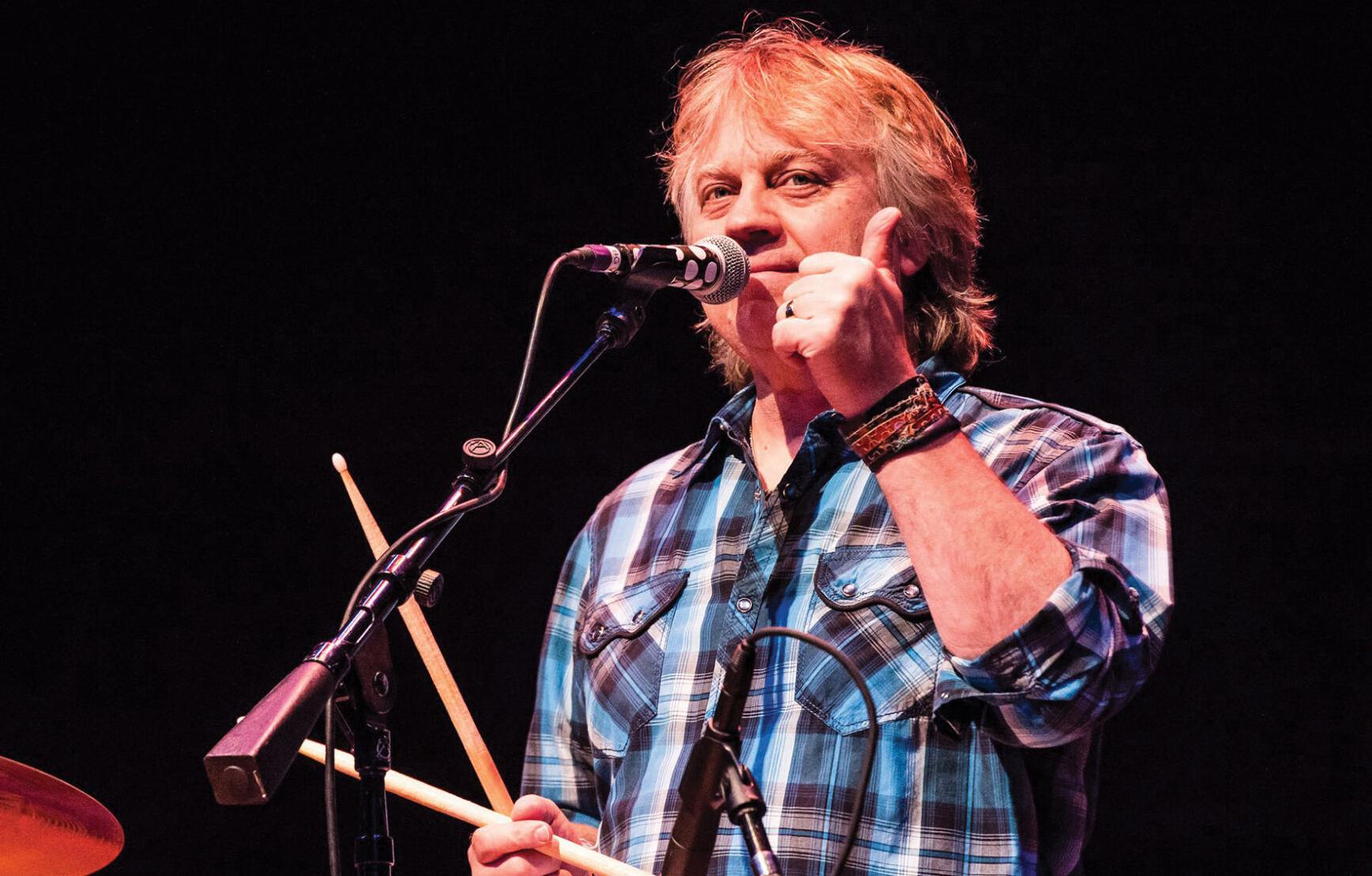
Hambridge’s production and writing career began exploding in the late ’90s after the success of Susan Tedeschi’s Just Won’t Burn, which Hambridge produced and which included two classics he penned, “Rock Me Right” and “It Hurt So Bad.” Meanwhile, Hambridge has continued playing drums with a host of legendary blues and rock figures, among them the aforementioned Thorogood and Guy as well as the late Johnny Winter. He credits his drumming background for greatly aiding him in his role as a producer.
“I’m right there in the kitchen cooking with the artist and other musicians when I’m playing on the tracking sessions,” says Hambridge. “As the drummer, I’m motoring the band, so If I feel the groove needs to be faster, slower, harder or softer, I don’t have to leave the control room and walk out on the floor to explain that to each musician. They feel it when I play the new tempo, different groove, or new arrangement.”
Though he isn’t resistant to advances in recording technology, Hambridge doesn’t rely on them in the studio.
“I’m old-school,” he says. “I still make records with real musicians together in the studio listening to and playing off each other. Considering I started making records on 2-inch tape, it is easier now using Pro Tools to fix things and do edits. We used to have to cut the tape with a razor blade. … Even though today it’s all about streaming, and CDs are pretty much obsolete, I still go in every time with the intention of making an album. Crazy as it sounds, I’m still searching for the perfect sequence for every record I make.”
Looking forward, Hambridge’s schedule remains full.
“I enjoy it all. I’m always excited to get started on the next project. I dig playing venues that have a rich history like the Hollywood Bowl, Red Rocks, Madison Square Garden, the Ryman [and] small towns in the middle of nowhere as well as big cities like New York, Paris and London. Clubs, dive bars, roadhouses — hell, I’ll play anywhere.”





Post a comment as anonymous
Report
Watch this discussion.
(0) comments
Welcome to the discussion.
Log In
Welcome to the discussion.
Keep it clean. Please avoid obscene, vulgar, lewd, racist or otherwise abusive language. Comments featuring hate speech or threatening or violent content will not be tolerated.
PLEASE TURN OFF YOUR CAPS LOCK.
Be truthful. Don't knowingly lie or mislead.
Be proactive. Use the “report” link on any comment that violates our comment policy.
Share with us. We'd love to hear your feedback.