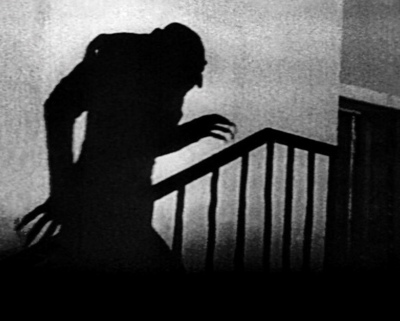
Sure, vampire tales have been done to death, and F.W. Murnau’s 1922 film Nosferatu: A Symphony of Horror isn’t totally original. It was close enough to Bram Stoker’s Dracula that Stoker’s widow won a copyright infringement lawsuit that resulted in the court-ordered destruction of nearly every print. But the off-kilter way Murnau renders the world — held up as a superlative example of Expressionist cinema, in which the medium is used for inventive portrayals of how things feel rather than trying to capture how they really are — makes the supernatural engrossing and terrifying. By the time Count Orlock’s gruesome shadow makes its iconic creep up the staircase, check your throat: You probably won’t find bite marks, but you might find your heart lodged in it. The original score has mostly been lost, but Peter Krasinski, a renowned organist who specializes in improvising accompaniment to silent films, will be on hand to shake your sternum with help from the Symphony’s Martin Foundation Concert Organ. STEPHEN TRAGESER
Nosferatu feat. Live score by Peter Krasinski